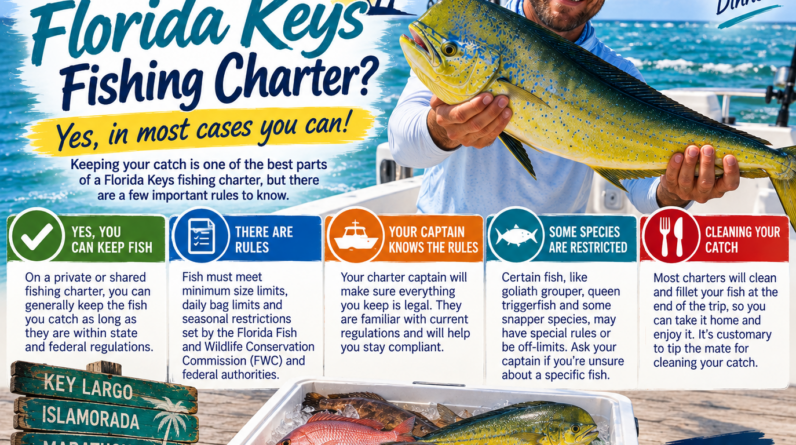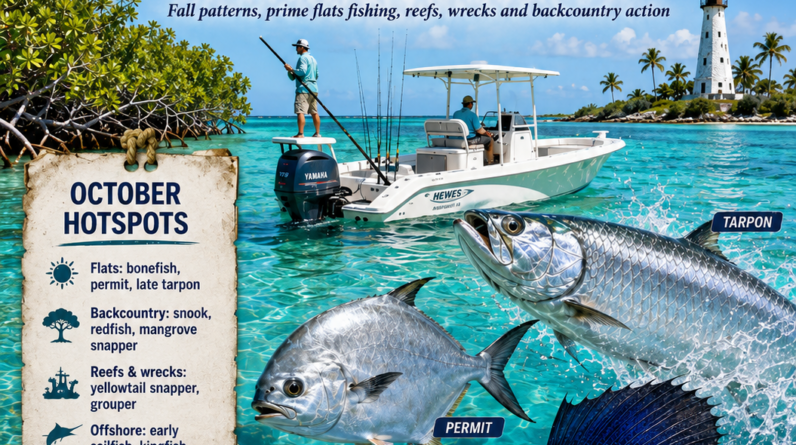


Imagine casting your line into the crystal-clear waters of the Florida Keys, surrounded by miles of stunning coral reefs and abundant marine life. The deep-sea fishing techniques utilized in this vibrant region are nothing short of remarkable, yielding extraordinary results. With the convergence of the warm Gulf Stream current and the nutrient-rich waters of the Atlantic Ocean, the Florida Keys offer a feeding ground for an impressive array of fish species. In this article, we will explore the reasons why deep-sea fishing techniques in the Florida Keys are so effective, unlocking the secrets behind this angler’s paradise.
Table of Contents
Overview of Deep-Sea Fishing in the Florida Keys
The Florida Keys, with its crystal-clear waters and diverse marine life, is a renowned fishing destination for deep-sea enthusiasts. Whether you are a seasoned angler or a beginner, the Florida Keys offer a wide array of fishing opportunities. From the abundance of marine life to The unique geographical features, there are several factors contributing to the effectiveness of deep-sea fishing techniques in this beautiful part of the world.
Understanding deep-sea fishing
Deep-sea fishing refers to the practice of fishing in deeper waters, typically far from the shore, where larger and more elusive species reside. It involves the use of specialized equipment and techniques to catch fish such as sailfish, mahi-mahi, tuna, grouper, snapper, and amberjack. Deep-sea fishing is a thrilling and challenging pursuit that requires skill, knowledge, and patience.
Introduction to the Florida Keys as a fishing destination
Located at the southern tip of Florida, the Florida Keys is a paradise for anglers. Its proximity to the Gulf Stream, a powerful warm ocean current, brings nutrient-rich waters that attract a wide range of fish species. The Keys consist of a chain of islands stretching approximately 120 miles, offering an extensive coastline for fishing enthusiasts to explore. With its clear blue waters and vibrant coral reefs, the Florida Keys offer a truly breathtaking setting for deep-sea fishing adventures.
Factors Contributing to the Effectiveness of Deep-Sea Fishing Techniques in the Florida Keys
Abundance of marine life
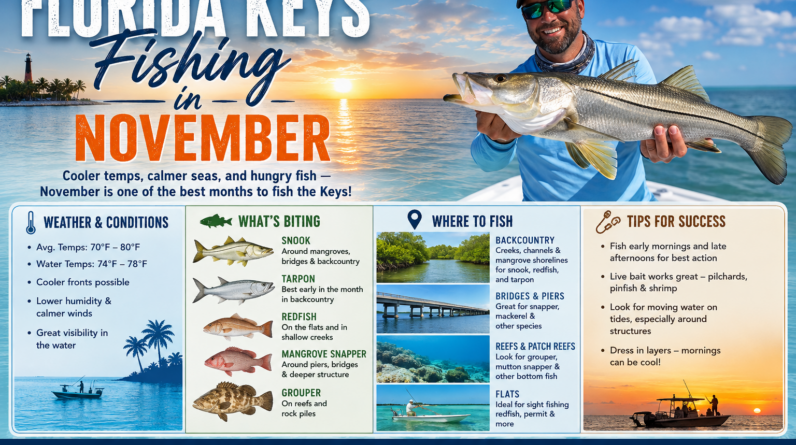
One of the key factors that make deep-sea fishing techniques effective in the Florida Keys is the abundance of marine life. The warm waters of the Gulf Stream provide an ideal habitat for various species of fish, including sailfish, mahi-mahi, tuna, grouper, snapper, and amberjack. The diverse ecosystem of the Florida Keys ensures that anglers have a higher chance of hooking a prized catch.
Unique geographical features
The Florida Keys boast unique geographical features that make it a prime location for deep-sea fishing. The presence of coral reefs, underwater seamounts, and drop-offs create an ecosystem teeming with life. These features attract a wide range of fish species, as they provide shelter, feeding grounds, and a safe environment for breeding. The intricate network of channels between the islands also offers excellent opportunities for anglers to navigate and find productive fishing grounds.
Variety of fishing grounds
Another factor contributing to the effectiveness of deep-sea fishing techniques in the Florida Keys is the variety of fishing grounds available. From nearshore reefs to offshore wrecks, there are numerous hotspots for anglers to explore. Each fishing ground offers unique opportunities to target specific species, depending on the time of year and prevailing conditions. The abundance of fishing grounds ensures that anglers can tailor their fishing trips to their preferences and maximize their chances of success.
Suitable weather conditions
The Florida Keys enjoy a tropical climate, with generally favorable weather conditions for deep-sea fishing. Mild winters and warm summers create an extended fishing season, allowing anglers to pursue their passion year-round. The calm winds, moderate sea conditions, and consistent temperatures are ideal for offshore fishing expeditions. However, it is worth noting that weather patterns can change quickly, and it is essential to stay informed and prioritize safety on the water.
Availability of professional fishing guides
For those new to deep-sea fishing or unfamiliar with the Florida Keys, the availability of professional fishing guides is a significant advantage. These experienced guides have an in-depth knowledge of the local waters, fish behavior, and the most effective techniques to use. They can provide valuable insights, tips, and guidance to ensure a successful fishing experience. Hiring a professional fishing guide not only increases your chances of landing a trophy catch but also enhances your overall enjoyment and learning experience.
Specific Deep-Sea Fishing Techniques in the Florida Keys
The Florida Keys offer a variety of deep-sea fishing techniques to cater to different preferences and target species. Let’s explore some of the popular techniques used by anglers:
Trolling
Trolling is a widely used technique in the Florida Keys, known for its effectiveness in catching fast and powerful species such as sailfish and mahi-mahi. It involves dragging bait or lures behind a moving boat at varying speeds to attract the attention of fish. Trolling allows anglers to cover a large area of the water and present their bait at varying depths, increasing their chances of enticing a strike. Using artificial lures or rigged baits, anglers can mimic the natural movement of prey, enticing predator fish to strike.
Bottom Fishing
Bottom fishing is a technique commonly employed to target bottom-dwelling species such as grouper and snapper. It involves dropping a weighted rig to the seafloor and presenting bait in close proximity to the structure or reef where these species reside. Bottom fishing requires precise positioning and a delicate balance of weight to keep the bait in the strike zone. It can be a challenging and rewarding technique, as anglers have the opportunity to catch large and delicious fish.
Kite Fishing
Kite fishing is a unique and thrilling technique used in the Florida Keys, particularly for targeting sailfish and other pelagic species. This method involves deploying a kite from the boat, suspending baited lines from the kite and allowing them to swim near the surface. The kite acts as a “windsock,” keeping the bait at the desired location and enticing fish to strike. Kite fishing offers anglers the chance to present their bait in a natural and enticing manner, mimicking the action of live baitfish.
Deep-Dropping
Deep-dropping is a technique employed in deeper waters to target species such as tilefish, grouper, and snapper. It involves lowering your bait or lure to the seafloor, often at depths exceeding 500 feet. This technique requires specialized tackle, including electric reels, to handle the extreme depths and heavy gear required. Patience and persistence are key when deep-dropping, as it can take time for the bait to reach the desired depth and entice a strike.
Wreck Fishing
Wreck fishing in the Florida Keys offers a unique opportunity to target species such as amberjack, grouper, and snapper that inhabit artificial or natural structures underwater. These wrecks and reefs provide shelter and a haven for marine life, attracting predatory fish seeking food and protection. When wreck fishing, anglers typically position their boats near the structure and present bait or lures in close proximity. It requires skill and precision to navigate these structures and entice strikes from the fish lurking below.
By utilizing these various deep-sea fishing techniques, anglers can increase their chances of success in the Florida Keys. Each technique offers its own challenges and rewards, ensuring an exciting and fulfilling experience on the water.
Trolling
Trolling is a versatile and effective deep-sea fishing technique used extensively in the Florida Keys. Let’s delve into the details of trolling:
Definition and purpose of trolling
Trolling involves dragging bait or lures behind a moving boat at varying speeds to attract the attention of fish. The purpose of trolling is to cover a large area of water and present the bait at various depths to increase the chances of enticing a strike. This technique is particularly effective for catching fast and powerful species, such as sailfish and mahi-mahi, that swim in open waters.
Types of bait and lures used for trolling
When trolling in the Florida Keys, anglers use a variety of baits and lures to entice fish. Natural baits commonly used include ballyhoo, mullet, and cigar minnows. These baits can be rigged using specialized trolling rigs with hooks that enhance their action in the water. Artificial lures, such as spoons, skirts, and plugs, are also popular choices for trolling. These lures mimic the appearance and movement of prey, attracting the attention of predator fish.
Best locations for trolling in the Florida Keys
The Florida Keys offer several prime locations for trolling. Areas with favorable conditions include the color changes, where the Gulf Stream meets clear blue water, as well as the edges of reefs and drop-offs. These areas provide a concentration of baitfish and attract larger predatory fish. Marathon Hump, Alligator Reef, and the Islamorada Hump are renowned trolling spots in the Florida Keys, known for their abundance of sailfish, mahi-mahi, and other pelagic species.
Tips for successful trolling in the Florida Keys
To increase your chances of a successful trolling trip in the Florida Keys, consider the following tips:
- Vary your trolling speed and direction to mimic the natural movement of prey and entice strikes.
- Pay attention to birds and other marine life, as they often indicate the presence of feeding fish.
- Keep an eye on the water color and temperature changes, as these can help identify productive areas.
- Experiment with different baits and lures to find what works best on a given day.
- Stay informed about the latest fishing reports and consult with local charters or fishing guides for valuable insights.
By following these tips and mastering the art of trolling, you can significantly enhance your deep-sea fishing experience in the Florida Keys.
Bottom Fishing
Bottom fishing is a popular technique employed in the Florida Keys to target bottom-dwelling species such as grouper, snapper, and other reef-associated fish. Let’s explore the specifics of bottom fishing:
Definition and purpose of bottom fishing
Bottom fishing involves dropping a weighted rig to the seafloor and presenting bait in close proximity to the structure or reef where target species reside. The purpose of bottom fishing is to entice fish by bringing the bait within their striking range. This technique is highly effective for targeting species that inhabit rocky outcrops, coral reefs, and underwater structures.
Types of bait and tackle used for bottom fishing in the Florida Keys
When bottom fishing in the Florida Keys, anglers use a variety of baits and tackle to entice fish. Common bait options include live or fresh-cut fish, such as pilchards, ballyhoo, and squid. These baits are typically rigged on a bottom-fishing rig, consisting of a weight, leader, and hooks. The weight keeps the bait near the bottom, and the leader prevents it from getting tangled in the structure. Braided line and fluorocarbon leaders are commonly used due to their strength and abrasion resistance.
Best locations for bottom fishing in the Florida Keys
The Florida Keys offer numerous prime locations for bottom fishing. Reefs and artificial structures provide ideal habitat for target species, attracting them in search of food and shelter. Popular bottom fishing spots include the famous reefs of Molasses Reef, Looe Key, and Sombrero Reef. These areas are teeming with grouper, snapper, and other reef-dwelling species, providing ample opportunities for anglers to land a trophy catch.
Tips for successful bottom fishing in the Florida Keys
To improve your chances of success while bottom fishing in the Florida Keys, consider the following tips:
- Use an appropriate weight to keep your bait near the bottom without getting snagged.
- Pay attention to the tide and current conditions, as they can impact the movement of bait and fish.
- Be patient and allow enough time for fish to locate and strike the bait. Avoid frequent reeling and resetting, as it may scare off cautious fish.
- Utilize chumming techniques to attract fish and create a feeding frenzy near your bait.
- Stay vigilant and be prepared for strong and powerful strikes, as many bottom-dwelling species are known for their aggressive behavior.
By employing these tips and refining your bottom fishing skills, you can increase your chances of a successful fishing expedition in the Florida Keys.
Kite Fishing
Kite fishing is a unique and thrilling technique used in the Florida Keys to target pelagic species, particularly sailfish and other surface-oriented fish. Let’s explore the specifics of kite fishing:
Definition and purpose of kite fishing
Kite fishing involves deploying a kite from the boat and suspending baited lines from the kite, allowing them to swim near the surface. The purpose of kite fishing is to present the bait in a natural and enticing manner, simulating the action of live baitfish. The kite acts as a “windsock,” keeping the bait at the desired location and enticing fish to strike.
Equipment and setup for kite fishing in the Florida Keys
To execute a successful kite fishing trip in the Florida Keys, certain equipment and setup are necessary. Anglers will need a sturdy fishing rod and reel combo capable of handling large and powerful fish. Kites specifically designed for fishing, such as the helium or wind kites, are essential for deploying and controlling the lines. The bait is typically rigged on sturdy leaders with hooks, allowing it to swim freely without getting tangled.
Best locations for kite fishing in the Florida Keys
Kite fishing in the Florida Keys can be productive in various locations, particularly those with concentrations of pelagic species. The edges of the Gulf Stream, areas with color changes, and offshore reefs are known hotspots for sailfish and other surface-oriented species. Key West, Islamorada, and Marathon are popular areas for kite fishing, offering diverse habitats and a high chance of encountering trophy fish.
Tips for successful kite fishing in the Florida Keys
To maximize your success while kite fishing in the Florida Keys, consider the following tips:
- Adjust the size and type of kite according to wind conditions to ensure optimal kite control and stability.
- Use live bait, such as goggle-eyes, blue runners, or pilchards, as they provide the most enticing presentation.
- Set multiple lines at different depths to cover a larger area of the water column and increase your chances of hooking a fish.
- Pay attention to the movement of the baitfish in the water and adjust the positioning of the kite accordingly.
- Be prepared for fast and powerful strikes, as sailfish and other pelagic species are known for their aggressive feeding behavior.
By following these tips and mastering the art of kite fishing, you can increase your chances of a thrilling and action-packed fishing trip in the Florida Keys.
Deep-Dropping
Deep-dropping is a specialized fishing technique employed in the deeper waters of the Florida Keys to target species such as tilefish, grouper, and snapper. Let’s delve into the specifics of deep-dropping:
Definition and purpose of deep-dropping
Deep-dropping involves lowering your bait or lure to the seafloor at significant depths, often exceeding 500 feet. The purpose of deep-dropping is to target bottom-dwelling species that inhabit greater depths, where the water is cooler and less affected by surface conditions. This technique requires specialized tackle and equipment to handle the extreme depths and the heavy gear required.
Types of bait and tackle used for deep-dropping in the Florida Keys
When deep-dropping in the Florida Keys, anglers typically use natural baits such as squid, octopus, or cut fish. These baits are often rigged on specialized rigs that can withstand the depths and the intense pressure. Electric reels are commonly used to handle the heavy tackle required and to facilitate the process of lowering and retrieving the bait from extreme depths.
Best locations for deep-dropping in the Florida Keys
Deep-dropping in the Florida Keys can be productive in certain areas with suitable depths and structures. The deep-water reefs and ledges offshore are known hotspots for species such as tilefish, grouper, and snapper. The Marathon Hump, Pulley Ridge, and the Tortugas Shelf are renowned locations for deep-dropping, offering opportunities to target deep-water species in abundance.
Tips for successful deep-dropping in the Florida Keys
To increase your chances of success while deep-dropping in the Florida Keys, consider the following tips:
- Ensure you have the appropriate tackle and equipment to handle the extreme depths and heavy weights required.
- Utilize the benefits of electric reels to make the process of lowering and retrieving bait more manageable.
- Pay attention to the quality and freshness of your bait, as deep-water species can be highly selective.
- Monitor your depth finder closely and target areas with promising structures and baitfish concentrations.
- Exercise patience, as deep-dropping often requires long periods with minimal action. Remember, the reward can be well worth the wait.
By following these tips and investing time in mastering deep-dropping techniques, you can enhance your chances of success and potentially catch impressive deep-water species in the Florida Keys.
Wreck Fishing
Wreck fishing is a thrilling and rewarding technique employed in the Florida Keys to target species such as amberjack, grouper, and snapper that reside near artificial or natural submerged structures. Let’s explore the specifics of wreck fishing:
Definition and purpose of wreck fishing
Wreck fishing involves positioning your boat near an underwater structure, such as a shipwreck or artificial reef, and presenting bait or lures in close proximity. The purpose of wreck fishing is to target fish species that seek refuge, food, and protection around these submerged structures. The wreckage provides a haven and habitat for various marine life, making it an ideal location for anglers to land trophy catches.
Types of bait and tackle used for wreck fishing in the Florida Keys
When wreck fishing in the Florida Keys, anglers commonly use live or cut bait such as pilchards, pinfish, or ballyhoo. These baits are typically rigged on sturdy leaders with appropriate-sized hooks. Artificial lures, such as jigs and bucktails, can also be effective in imitating the movement and appearance of prey species. The choice of tackle depends on the target species and the structure being fished, but it often involves heavy gear capable of battling fish in close quarters.
Best locations for wreck fishing in the Florida Keys
The Florida Keys are home to numerous artificial reefs and submerged structures, providing excellent locations for wreck fishing. Popular spots include the Vandenberg wreck near Key West, the Thunderbolt wreck off Marathon, and the Eagle wreck near Islamorada. These wrecks attract a diverse range of fish species, offering anglers the opportunity to catch amberjack, grouper, snapper, and other prized fish.
Tips for successful wreck fishing in the Florida Keys
To increase your chances of success while wreck fishing in the Florida Keys, consider the following tips:
- Position your boat based on the specific structure and the prevailing currents to present your bait in the strike zone.
- Use live bait whenever possible, as it provides the most natural and enticing presentation.
- Be prepared for strong and powerful strikes, as fish seeking shelter are often aggressive when feeding.
- Utilize chumming techniques to attract fish and create a feeding frenzy near the structure.
- Exercise caution and be aware of your surroundings when fishing near submerged structures to avoid tangling lines or damaging the structure.
By incorporating these tips into your wreck fishing approach, you can significantly enhance your chances of a successful and rewarding fishing trip in the Florida Keys.
Techniques for Catching Specific Species in the Florida Keys
The Florida Keys is home to a diverse range of fish species, each requiring specific techniques and approaches. Let’s explore some popular species and the techniques used to catch them:
Sailfish
Sailfish are highly sought-after game fish in the Florida Keys, known for their incredible speed and acrobatic displays. Trolling with rigged baits, such as ballyhoo, and artificial lures is a popular technique for targeting sailfish. Anglers often set out multiple lines at varying depths to cover more water and increase their chances of a strike. The edges of the Gulf Stream, areas with color changes, and offshore reefs are known hotspots for encountering sailfish.
Mahi-Mahi
Mahi-Mahi, also known as dolphinfish or dorado, are prized for their vivid colors and aggressive feeding behavior. Anglers target Mahi-Mahi by trolling with artificial lures, such as skirts and plugs, or live baits rigged with ballyhoo or mullet. These fish are commonly found near floating debris, weed lines, and offshore structures. It is advisable to keep an eye out for birds and other marine life, as they often indicate the presence of feeding Mahi-Mahi.
Tuna
Tuna species, including blackfin and yellowfin tuna, are highly migratory and can be found in the offshore waters of the Florida Keys. Trolling with lures that mimic small baitfish is a successful technique for catching tuna. High-speed trolling can be particularly effective in imitating the swift movements of these pelagic species. Paying attention to bird activity, temperature breaks, and color changes can help locate areas holding tuna.
Grouper and Snapper
Grouper and snapper species are abundant in the Florida Keys and provide excellent opportunities for bottom fishing. These species inhabit rocky outcrops, reefs, and underwater structures. Anglers often use bottom fishing techniques with live or cut bait to entice grouper and snapper. Patience and precision are required when targeting these species, as they are often found close to the structure and require a delicate presentation to entice a strike.
Amberjack
Amberjack, known for their strength and fighting ability, are a popular target in the Florida Keys. These fish can be found near wrecks, reefs, and other underwater structures. Jigging with heavy metal jigs or dropping live or cut bait near the structure is an effective technique for catching amberjack. The use of electric reels can be beneficial when targeting these powerful fish in deep waters.
By tailoring your techniques and strategies to the specific species you are targeting, you can increase your chances of success and have a memorable fishing experience in the Florida Keys.
Conservation and Responsible Fishing Practices
Conservation is crucial to preserving the rich marine ecosystem of the Florida Keys and ensuring sustainable fishing for future generations. Anglers in the Florida Keys should prioritize responsible fishing practices and follow the established regulations. Here are some key points to consider:
Importance of conservation in the Florida Keys
The Florida Keys boast a fragile and diverse marine ecosystem that plays a vital role in the region’s biodiversity and overall health. Protecting this ecosystem is essential not only for marine life but also for the livelihoods of local communities and the economy. Conservation efforts aim to maintain healthy fish populations, restore damaged habitats, and minimize the impact of fishing activities on the environment.
Catch and release practices
Practicing catch and release can significantly contribute to the conservation of fish populations in the Florida Keys. By releasing undersized or protected species, anglers allow them to reproduce and contribute to the overall health of the ecosystem. Proper handling techniques, such as minimizing time out of the water and using barbless hooks, can increase the chances of a safe and successful release.
Fishing regulations in the Florida Keys
Strict regulations and guidelines are in place to manage fishing activities in the Florida Keys and ensure the sustainability of fish populations. It is crucial for anglers to familiarize themselves with these regulations and adhere to the catch limits, size restrictions, and seasonal closures in place. These regulations are designed to protect vulnerable species and their habitats, ensuring a balanced and healthy ecosystem.
By practicing responsible fishing, anglers can enjoy their passion while contributing to the long-term health and sustainability of the Florida Keys’ marine environment.
In conclusion, the Florida Keys offer an unparalleled deep-sea fishing experience, with its abundance of marine life, unique geographical features, and variety of fishing grounds. Techniques such as trolling, bottom fishing, kite fishing, deep-dropping, and wreck fishing provide anglers with diverse opportunities to target specific species. Whether you are aiming for sailfish, mahi-mahi, tuna, grouper, or snapper, it is essential to tailor your techniques and strategies to each species. By incorporating responsible fishing practices and following conservation guidelines, anglers can ensure the preservation and sustainability of the rich marine ecosystem that makes the Florida Keys a premier fishing destination. So, pack your rods, prepare your tackle, and get ready for an unforgettable deep-sea fishing adventure in the Florida Keys!