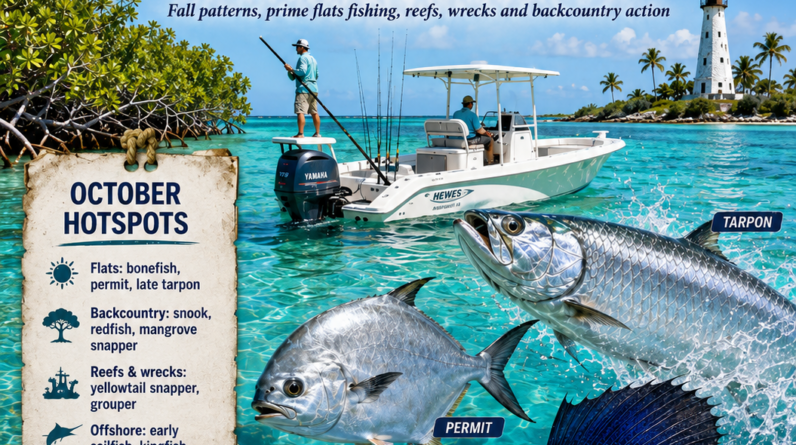


Are you an avid angler looking to up your deep-sea fishing game? Look no further than the beautiful Florida Keys! With its stunning coastal landscapes and abundant marine life, the Florida Keys are a haven for fishermen seeking a rewarding fishing experience. In this article, you’ll discover five proven deep-sea fishing tips that will help you maximize your catch and make the most of your time on the water. From choosing the right bait to understanding optimal fishing times, these tips will set you up for success on your next deep-sea fishing adventure in the Florida Keys.
Table of Contents
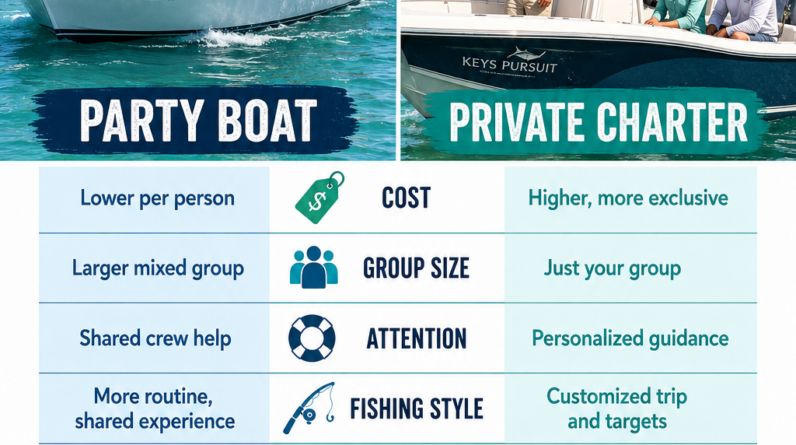
Choose the Right Fishing Charter
Research Different Charter Companies
When planning a deep-sea fishing trip, it’s crucial to choose the right fishing charter company. Do your research and look for companies that have a good reputation and positive reviews. Take the time to read customer testimonials and check online forums for recommendations. It’s important to find a charter company that suits your needs and provides a safe and enjoyable experience.
Consider the Boat Size and Type
Another important factor to consider when choosing a fishing charter is the boat size and type. The size of the boat will depend on the number of people in your group and the level of comfort you desire. Larger boats usually offer more space and stability, which can be beneficial for a long day out on the open sea. Additionally, consider the type of boat. Some charters offer center console boats, while others provide larger sportfishing vessels. Choose a boat that aligns with your preferences and the type of fishing you want to do.
Check the Captain’s Experience and Reputation
The captain of your fishing charter plays a significant role in the success of your deep-sea fishing trip. Make sure to check the captain’s experience and reputation before booking. Look for captains who have extensive knowledge of the local waters and are familiar with the different fishing techniques. Experienced captains will have the expertise to navigate the waters safely and increase your chances of catching fish. Additionally, captains with good reputations are more likely to provide a memorable and enjoyable fishing experience.
Select the Best Fishing Spot
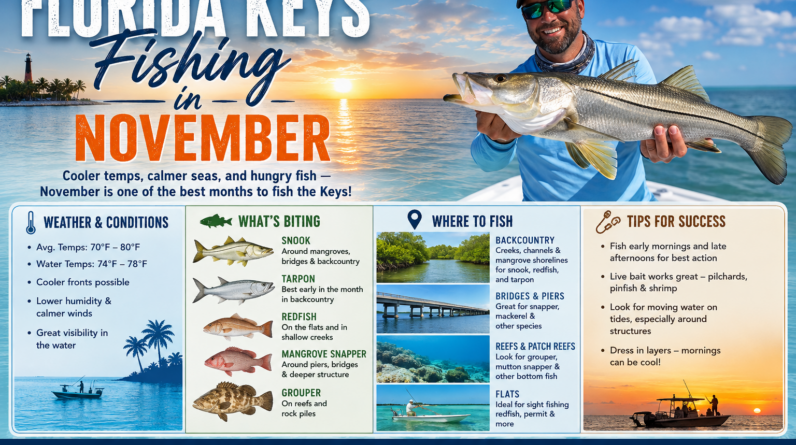
Determine Your Target Species
Before heading out on your deep-sea fishing adventure, it’s important to determine your target species. Different species require different fishing techniques and have specific habitats. Research the species that are available in the area you plan to fish and choose one that matches your fishing goals. Whether you’re targeting marlin, sailfish, or snapper, understanding the behavior and habitat of your target species will help you select the best fishing spot.
Look for Reefs and Wrecks
Reefs and wrecks are excellent fishing spots for anglers looking to catch a variety of species. These structures provide shelter and food for many different types of fish, making them hotspots for anglers. Reefs are natural formations made up of rocks or corals, while wrecks are sunken ships or artificial structures. Both types of fishing spots are known for attracting fish, as they offer protection and serve as feeding grounds. Consult with your charter captain or research local fishing resources to find the best reefs and wrecks in your fishing area.
Consider Fishing in Offshore Waters
If you’re seeking a thrilling deep-sea fishing experience, consider venturing into offshore waters. Offshore fishing refers to fishing in deep waters, away from the coastline. These waters offer opportunities to catch larger game fish, such as tuna, mahi-mahi, and swordfish. Offshore fishing requires more advanced skills and equipment, so make sure you’re prepared for the challenge. Consult with your fishing charter captain to assess if offshore fishing is the right choice for you and your group.
Use the Right Equipment
Invest in Quality Fishing Gear
To increase your chances of success during a deep-sea fishing trip, it’s essential to invest in high-quality fishing gear. The right equipment can make a significant difference in your fishing experience. Opt for fishing rods and reels that are specifically designed for deep-sea fishing. These are usually heavier and more durable to handle the larger fish you may encounter. Don’t skimp on quality when it comes to your fishing gear, as it can greatly impact your ability to reel in the big catches.
Bring an Assortment of Baits and Lures
Having a variety of baits and lures in your tackle box is crucial for deep-sea fishing success. Different species of fish are attracted to different types of bait, so it’s essential to be prepared. Live bait, such as squid or mullet, is a popular choice for many anglers. Artificial lures, such as jigs or soft plastics, can also be effective in enticing fish to strike. Consult with local experts or your fishing charter captain to determine the best bait and lures for your target species.
Use Strong and Reliable Fishing Lines
When it comes to deep-sea fishing, using strong and reliable fishing lines is imperative. The larger fish found in offshore waters can put a considerable strain on your line, so opt for heavy-duty lines with a high pound test. Braided lines are a popular choice for deep-sea fishing, as they are strong and have great sensitivity. Additionally, consider using fluorocarbon leaders, which are less visible underwater and can increase your chances of getting a bite. Don’t underestimate the importance of having reliable fishing lines to handle the challenges of deep-sea fishing.
Master Deep-Sea Fishing Techniques
Learn Bottom Fishing Techniques
Bottom fishing is a popular technique used in deep-sea fishing to target species that reside near the ocean floor. This technique involves dropping your bait or lure to the bottom of the sea and waiting for a bite. To master bottom fishing, you need to understand the behavior of the fish you’re targeting and the structure of the seabed. Research the best baits and lures for bottom fishing in your fishing area and learn how to detect and interpret bites. Practice your bottom fishing techniques to increase your chances of hooking that prized catch.
Practice Drifting and Trolling
Drifting and trolling are two effective techniques for covering a larger area of water and increasing your chances of encountering fish. Drifting involves moving with the current, allowing your bait or lure to drift naturally and attract fish. This technique is particularly useful when targeting pelagic species like tuna or marlin. Trolling, on the other hand, involves pulling your bait or lure behind a slow-moving boat. This technique imitates the movement of a swimming fish and can attract predatory fish. Mastering drifting and trolling techniques will give you an edge in deep-sea fishing.
Utilize the Art of Chumming
Chumming is a technique used to attract fish by dispersing a mixture of bait particles into the water. This creates a feeding frenzy and increases the chances of fish coming closer to your boat. Chumming is especially effective when targeting larger predatory fish. It’s important to use the right type of bait and the proper ratio of chum to water. Experiment with different chumming techniques and observe the fish’s response to find what works best in your fishing area. Using chumming can significantly improve your deep-sea fishing success.
Be Prepared for Deep-Sea Fishing
Pack Essential Safety Gear
Deep-sea fishing can be an exciting and enjoyable experience, but it’s essential to prioritize safety. Before setting off on your fishing trip, make sure you have all the necessary safety gear on board. This includes life jackets, first aid kits, and emergency signaling devices. Familiarize yourself with the operation of safety equipment and ensure it is easily accessible in case of an emergency. Your fishing charter company should provide the required safety gear, but it’s always best to double-check and bring any additional items you may need.
Bring Enough Food and Water
A day of deep-sea fishing can be physically demanding, so it’s important to stay hydrated and energized. Pack enough food and water for your fishing trip, ensuring you have snacks and meals to sustain you throughout the day. It’s also a good idea to bring a cooler with ice to store any fish you may catch. Staying properly fueled and hydrated will help you maintain your energy levels and fully enjoy your deep-sea fishing experience.
Prepare for the Possibility of Motion Sickness
For those prone to motion sickness, it’s essential to take precautions before heading out on a deep-sea fishing adventure. The constant movement of the boat on the open sea can cause discomfort and nausea for some individuals. Consider taking motion sickness medication or using natural remedies like ginger to help prevent symptoms. It’s also a good idea to eat a light and non-greasy meal before boarding the boat. By preparing for the possibility of motion sickness, you can ensure a more pleasant and enjoyable deep-sea fishing trip.
Follow Local Fishing Regulations
Obtain a Florida Fishing License
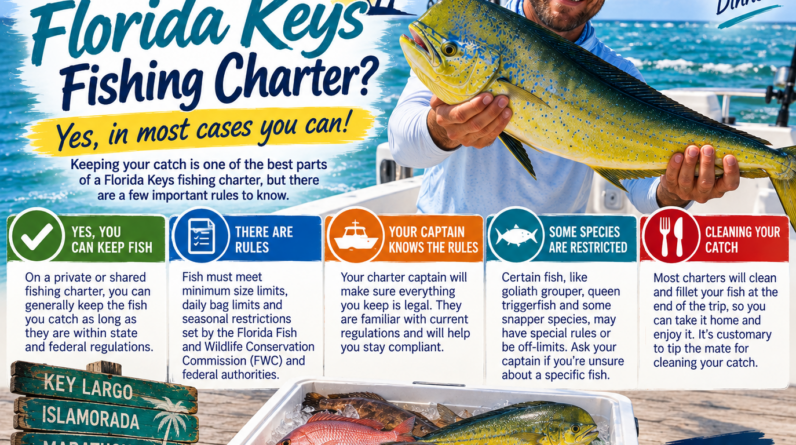
Before engaging in deep-sea fishing in Florida, it’s important to obtain a fishing license. Fishing licenses are required by law and are available for both residents and non-residents. You can purchase a fishing license online or at local bait and tackle shops. Make sure to familiarize yourself with the specific regulations and restrictions associated with your fishing license. By obtaining a fishing license, you can fish legally and contribute to the conservation efforts of Florida’s fishery resources.
Know the Bag and Size Limits
Familiarize yourself with the bag and size limits for the species you plan to target during your deep-sea fishing trip. Fishing regulations exist to protect fish populations and ensure their sustainability. Bag limits specify the number of fish you are allowed to keep, while size limits define the minimum and maximum sizes of fish you can retain. Adhering to these limits helps preserve the fishery for future generations and promotes responsible angling practices.
Respect Protected Areas and Species
While deep-sea fishing, it’s essential to respect protected areas and species. Some areas may be off-limits for fishing to protect fragile ecosystems or endangered species. It’s crucial to do your research and be aware of any protected areas in your fishing location. Additionally, be knowledgeable about the species you can legally fish for and those that must be released if caught. By respecting these regulations and guidelines, you contribute to the conservation of marine life and the overall health of the ecosystem.
Stay Patient and Persistent
Deep-Sea Fishing Requires Time and Patience
Deep-sea fishing is not a sport for the impatient. It can take time to locate the best fishing spots and entice the fish to bite. It’s important to approach deep-sea fishing with a patient and relaxed mindset. Enjoy the journey and the experience of being out on the open sea, even if you don’t immediately hook a fish. Remember that fishing is not just about the catch; it’s also about the connection with nature and the thrill of the chase.
Stay Persistent and Keep Trying
Even if you don’t have immediate success, don’t give up. Deep-sea fishing requires persistence and determination. Keep trying different techniques, baits, and spots until you find what works best for you. Be open to learning from each fishing trip and make adjustments accordingly. The more you practice and experiment, the better you’ll become at deep-sea fishing. So, stay persistent and keep trying, and eventually, you’ll reel in that trophy fish.
Don’t Get Discouraged
Deep-sea fishing, like any other sport, has its ups and downs. It’s important not to get discouraged if you have a slow day or come back empty-handed. Fishing can be unpredictable, and even experienced anglers have days without much luck. Instead of focusing solely on the catch, appreciate the entire experience and the opportunity to be out on the water. Remember that every fishing trip is a chance to learn and grow as an angler.
Learn from Experienced Anglers
Join a Fishing Club or Community
One of the best ways to expand your knowledge of deep-sea fishing is to join a fishing club or community. These groups provide opportunities to connect with experienced anglers who can share their expertise and insights. Participating in club activities, such as fishing tournaments or workshops, can help you learn new techniques and build a network of fellow anglers. By joining a fishing club, you’ll have access to a wealth of knowledge and support from like-minded individuals.
Attend Workshops and Seminars
Attending workshops and seminars dedicated to deep-sea fishing is an excellent way to enhance your skills and stay up to date with the latest fishing techniques. These events often feature experienced anglers or fishing experts who share their tips and tricks. You’ll have the opportunity to ask questions, learn from real-life experiences, and gain valuable insights into the world of deep-sea fishing. Look for local workshops or seminars in your area and take advantage of these educational opportunities.
Connect with Local Fishing Guides
Local fishing guides are a valuable resource for deep-sea fishing knowledge. They have extensive experience in the specific fishing area and can provide insider tips on where and how to catch fish. Consider hiring a local fishing guide for a day or half-day trip to gain valuable insights into the local fishery. Fishing guides can teach you specific techniques and help you navigate the waters more effectively. Building a connection with a local fishing guide can greatly enhance your deep-sea fishing skills and overall experience.
Embrace Knowledge of Tides and Currents
Understand the Impact of Tides on Fishing
Tides play a significant role in deep-sea fishing and can greatly impact your chances of catching fish. Tides refer to the rise and fall of the ocean caused by the gravitational pull of the moon and the sun. During certain tide phases, fish become more active and move closer to feeding grounds. Pay attention to the tide charts and plan your fishing trips accordingly. Fishing during high tide or when the tide is changing can increase your chances of success.
Learn to Use Currents to Your Advantage
Understanding the currents in your fishing area can be a game-changer for deep-sea fishing. Currents create movement in the ocean, influencing the behavior and feeding patterns of fish. By studying the currents, you can determine where fish are likely to gather and position yourself accordingly. Use the currents to your advantage by drifting or trolling in areas where the water movement is favorable. Learning to read and utilize currents will give you a strategic edge in deep-sea fishing.
Pay Attention to Moon Phases
Moon phases can also affect the behavior and feeding patterns of fish. During certain phases of the moon, fish may be more active and more likely to bite. The full moon and new moon phases are known to have a significant impact on fish activity. Monitoring the moon phases and planning your fishing trips accordingly can greatly increase your chances of success. Take note of the moon phase during your most productive fishing trips to identify any patterns and plan future outings strategically.
Practice Proper Catch and Release
Handle Fish with Care
When practicing catch and release, it’s crucial to handle fish with care to ensure their survival. Use wet hands or gloves to touch the fish, as dry hands can remove the protective slime on their scales. Minimize the time the fish spends out of the water and avoid touching their gills, as this can cause damage. If you must hold the fish for a photo, support its body properly to avoid injuring its internal organs. Remember, the goal is to release the fish unharmed, allowing it to survive and reproduce for future generations.
Adhere to Sustainable Fishing Practices
Sustainable fishing practices are essential for the long-term health and sustainability of fish populations and the marine environment. Follow guidelines such as practicing catch and release whenever possible, using barbless hooks to minimize injury, and avoiding unnecessary harm to non-target species. Educate yourself about responsible fishing practices and implement them during your deep-sea fishing trips. By practicing sustainability, you can contribute to the conservation of fish populations and help maintain a healthy ecosystem.
Release Undersized or Protected Species
It’s important to be familiar with the size and bag limits for the species you are targeting. If you catch undersized or protected species, it’s crucial to release them unharmed. Handling these fish with care and ensuring their safe return to the water is essential for their survival and the long-term health of their populations. By releasing undersized or protected species, you contribute to the preservation of their habitats and the overall biodiversity of the ocean.
In conclusion, deep-sea fishing in the Florida Keys offers anglers a thrilling and rewarding experience. By following these tips and guidelines, you can enhance your chances of success and make the most out of your fishing trips. Remember to choose the right fishing charter, select the best fishing spots, use the appropriate equipment, master fishing techniques, and be prepared for the adventure ahead. Respect local fishing regulations, stay patient and persistent, learn from experienced anglers, embrace knowledge of tides and currents, and practice proper catch and release. With these comprehensive strategies and a friendly approach, you’re well on your way to becoming a skilled deep-sea angler in the beautiful waters of the Florida Keys. Happy fishing!