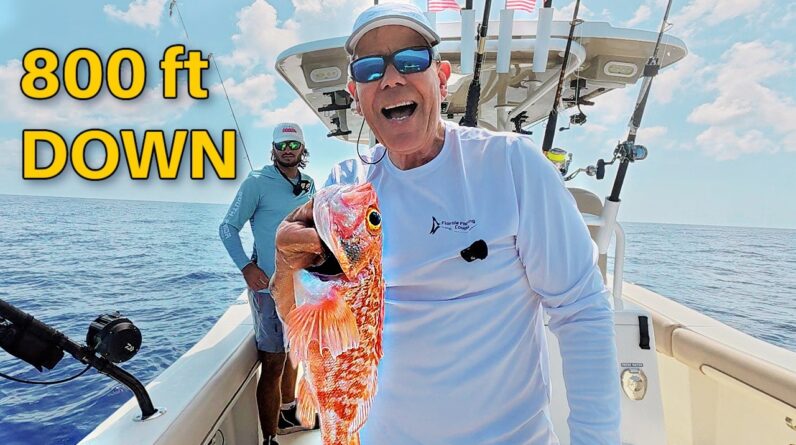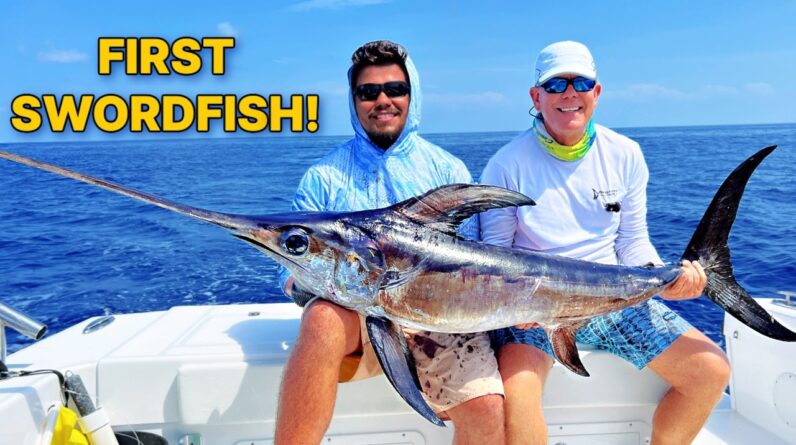


Are you looking for a fun and adventurous activity to do with your kids in the sunny state of Florida? Look no further than fishing in the Florida Keys! This article will provide you with all the essential tips and tricks to ensure a memorable fishing experience with your little ones. From the best fishing spots to the equipment you’ll need, we’ve got you covered. Get ready to create lasting memories as you reel in some unforgettable moments in the breathtaking beauty of the Florida Keys.
Table of Contents
Choosing the Right Fishing Spot
When it comes to choosing the perfect fishing spot, there are a few key factors to consider. Researching the area is a crucial first step. Take the time to learn about the different fishing locations in your area, whether it’s freshwater lakes, rivers, or coastal spots. Read up on local fishing reports and talk to fellow anglers to get insights into the best places to cast your line.
Another important aspect to consider is safety. When fishing with kids, it’s crucial to prioritize their well-being. Look for fishing spots that are family-friendly and have easy access to amenities like restrooms and picnic areas. Additionally, make sure the area you choose has a calm and shallow water level, especially if you’re introducing young children to fishing.
Planning Your Trip
Planning your fishing trip involves several considerations, starting with deciding on dates. Take into account the weather conditions and make sure to choose a time when the forecast is optimal. You don’t want to be caught in a heavy storm or extreme heat, as it can dampen the enjoyment of your fishing adventure.
Checking the weather conditions before setting off is essential. Look for clear skies and calm winds, which will make your fishing trip more pleasant. Keep in mind that early mornings and late afternoons are generally the best time to fish, as the fish are usually more active during these times.
Once you have a date in mind, it’s time to book accommodations. Depending on the duration of your fishing trip, you might want to consider staying overnight in a fishing lodge or cabin. This will allow you to fully immerse yourselves in the fishing experience and make the most of your time on the water.
Getting the Right Gear
Having the right gear is essential for a successful fishing trip. When it comes to selecting the right rods and reels, it’s important to consider the type of fishing you’ll be doing. For kids, it’s best to start with a lightweight and easy-to-handle rod. Look for spinning or spincasting reels, as they are beginner-friendly and require less skill to operate.
Choosing the appropriate bait is also crucial. Live bait, such as worms or small minnows, is often the best choice for beginners. It’s easy to handle and attracts a wide range of fish species. Alternatively, artificial bait, such as plastic worms or lures, can also be effective and less messy.
In addition to rods and bait, it’s important to gather essential tools and accessories. This includes items like pliers for removing hooks, a tackle box to organize your gear, and sunscreen to protect against the sun’s rays. Consider investing in a fishing hat and sunglasses with polarized lenses to enhance your fishing experience.
Teaching Basic Fishing Techniques
Before you embark on your fishing adventure, it’s essential to teach basic fishing techniques to your kids. Start with casting lessons, showing them how to properly hold the rod and release the line. Practice casting in an open area before heading to the water, ensuring they have a good understanding of the mechanics.
In addition to casting, knot tying is another important skill to teach. Show your kids how to tie basic fishing knots, such as the improved clinch knot or the palomar knot. These knots will come in handy when attaching hooks, lures, or swivels to the fishing line.
Lastly, emphasize the importance of patience and observation. Fishing requires a lot of waiting, so teach your kids to be patient and enjoy the peacefulness of the surroundings. Encourage them to observe the water for any signs of fish activity, such as ripples or jumping fish. Patience and observation go hand in hand with fishing success.
Ensuring Safety on the Water
When fishing with kids, safety should always be a top priority. One of the most important safety measures is emphasizing the use of life jackets. Make sure each family member wears a properly fitted life jacket while on the water, regardless of their swimming abilities. Additionally, teach your kids about water safety and the importance of remaining seated while in a boat.
Awareness of boat traffic is also crucial for safety. Teach your children to be mindful of other boats or watercraft, and always keep an eye out for potential hazards. Observe any navigational markers or buoys in the water and explain their significance, ensuring everyone understands the rules of the waterway.
Finally, it’s important to avoid overexposure to the sun. Apply sunscreen generously before heading out and reapply it throughout the day. Encourage your kids to wear hats and protective clothing to shield them from harmful UV rays. Staying hydrated by drinking plenty of water is also essential.
Maximizing Fun with Fish Species
One of the exciting aspects of fishing is the opportunity to target different fish species. When fishing with kids, it’s often best to target kid-friendly fish that are relatively easy to catch. Panfish, such as bluegill and crappie, are great choices as they are abundant and tend to be less finicky.
Another option is to explore the colorful world of reef fish. In coastal areas, reefs are teeming with a variety of fish species that boast vibrant colors and patterns. Snapper, grouper, and angelfish are just a few examples of the stunning marine life you might encounter.
For those seeking a challenge, game fish can provide an exhilarating experience. Species like bass, trout, or even tarpon offer a thrilling fight and require more angling skills. Keep in mind that fishing for game fish might require more specialized gear and techniques.
Fishing Rules and Regulations
Before you set off on your fishing adventure, familiarize yourself with the rules and regulations of the area you’ll be fishing in. Understanding size and bag limits is crucial to ensure you’re within legal guidelines. These regulations are put in place to protect fish populations and maintain a sustainable ecosystem.
Obtaining the required fishing licenses is also important. Check with your local fishing authorities to determine what type of licenses are needed for your trip. Make sure everyone in your family has the necessary fishing permits to avoid any legal issues.
Additionally, be mindful of protected species. Some fish might have strict conservation measures in place due to their vulnerable status. Educate your kids about these protected species and stress the importance of respecting their habitat.
Incorporating Other Activities
While fishing may be the main focus of your trip, it’s always a great idea to incorporate other activities to make the experience even more memorable. Snorkeling adventures can be a fantastic way to explore the underwater world and get up close with marine life. Many fishing spots have snorkeling opportunities, allowing your kids to discover a whole new dimension of the ocean.
Exploring the wildlife around your fishing spot can also be a fun and educational activity. Take a nature walk with your kids, pointing out different birds, plants, and other animals you come across. It’s a great opportunity to foster a love for the environment and teach the importance of conservation.
Lastly, enjoy beachside picnics. Pack a delicious lunch or snacks and set up a cozy spot on the beach. Take breaks from fishing and relax with your family, savoring the beauty of nature around you. It’s a wonderful way to bond and create lasting memories together.
Capturing Memories
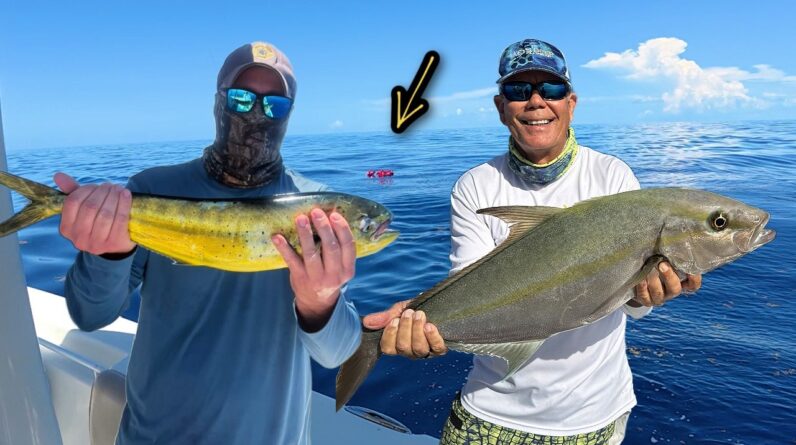
Every fishing trip is filled with special moments that deserve to be remembered. Documenting your fishing trips is a fantastic way to preserve these memories. Bring a camera or use your smartphone to capture photos of your kids with their prized catches. Encourage them to pose with their fish and display their excitement and sense of accomplishment.
Another great idea is to encourage your kids to keep a fishing journal. They can jot down details about each fishing trip, including the location, weather conditions, and the fish they caught. It’s a wonderful way for them to reflect on their experiences and see their progression as anglers.
To take it a step further, consider creating scrapbooks or photo albums dedicated to your fishing adventures. Include pictures, journal entries, and even fishing-related artwork created by your kids. These beautiful keepsakes will be cherished for years to come and spark fond memories whenever you look back on them.
Supporting Environmental Awareness
As anglers, it’s important to focus not only on the joy of fishing but also on environmental awareness and responsible practices. Teaching catch-and-release practices is essential for the conservation of fish populations. Teach your kids how to handle fish properly and release them safely back into the water. It’s a valuable lesson that instills respect for nature.
Respecting marine life habitat is another key aspect of responsible fishing. Educate your children about the importance of not disturbing or damaging underwater structures, such as reefs or seagrass beds. Teach them to be mindful of their surroundings and to leave the environment as they found it.
Lastly, promote clean and responsible fishing practices. Encourage your kids to pick up any trash or debris they come across during their fishing trips. Remind them never to leave any fishing lines, hooks, or plastic behind, as these can be harmful to wildlife. By being conscious of our impact on the environment, we can ensure that future generations can continue to enjoy the beauty of fishing.