

Table of Contents
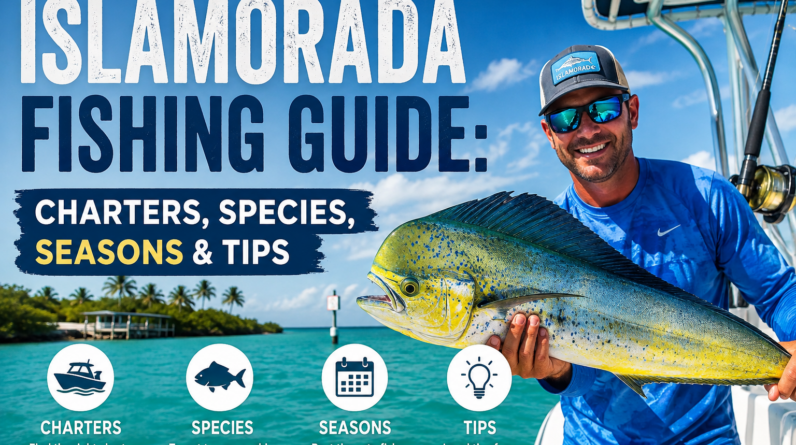
Islamorada Fishing Guide
If fishing is one of the main reasons you’re heading to the Florida Keys, Islamorada deserves a serious look.
Located between Key Largo and Marathon, Islamorada is a village of six islands with access to offshore waters, reefs, wrecks, flats, and Florida Bay backcountry fishing. The area is widely promoted as the Sport Fishing Capital of the World, and fishing is a major part of its identity.
That variety makes Islamorada fishing appealing to serious anglers, beginners, families, and visitors who simply want to spend a day on the water during a Florida Keys vacation.
This guide covers what you can catch, the best times to fish, offshore and backcountry opportunities, charter options, fishing without a boat, licensing, and what to know before planning your trip.
Why Fish in Islamorada?
One of Islamorada’s biggest advantages is access to very different fishing environments.
Head toward the Atlantic and you’ll find reef, wreck, and offshore fishing opportunities.
Travel toward Florida Bay and you’ll find shallow flats, channels, mangroves, and backcountry water.
That gives visiting anglers plenty of choices.
Depending on the season, a fishing trip around Islamorada might include:
- Offshore fishing for mahi-mahi, sailfish, tuna, or wahoo
- Reef fishing for snapper and grouper
- Wreck fishing
- Tarpon fishing
- Flats fishing for bonefish and permit
- Backcountry fishing
- Family fishing trips
- Party boat fishing
- Bridge or shore fishing
The official Florida Keys tourism site specifically highlights Islamorada for tarpon, bonefish, sailfish, permit, snook, mahi, flats fishing, backcountry fishing, and offshore fishing.
What Fish Can You Catch in Islamorada?
The species available around Islamorada change throughout the year.
Weather, water temperature, currents, bait movement, and fishing location all affect what you might catch.
Here are some of the fish most closely associated with fishing in Islamorada and the Florida Keys.
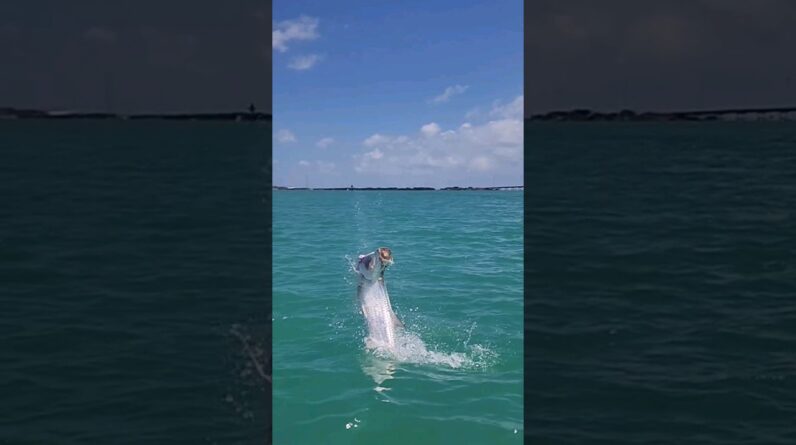
Tarpon
Tarpon are one of Islamorada’s signature game fish.
These powerful fish can be encountered around bridges, channels, flats, and other areas.
Spring and early summer receive much of the attention from visiting tarpon anglers, although tarpon can be present outside the traditional peak period.
If catching a tarpon is one of the main goals of your vacation, plan your travel dates carefully and speak with local charter captains before booking.
Bonefish
Bonefish have helped make the Florida Keys famous among flats anglers.
Rather than heading offshore, bonefish anglers often fish extremely shallow water, looking for individual fish or schools moving across the flats.
This is a very different experience from reef fishing.
Stealth, casting accuracy, water clarity, sunlight, tides, and wind can all matter.
Permit
Permit are another prized Islamorada target.
They can be found on shallow flats as well as around deeper structure and wrecks.
They’re known for being difficult to catch, which is part of their appeal.
For many anglers, landing a permit on light tackle or fly gear is a major fishing accomplishment.
Sailfish
Sailfish are one of the area’s best-known offshore game fish.
The cooler months generally receive more attention for sailfish in South Florida and the Florida Keys.
If you’re visiting Islamorada during winter or early spring, sailfish may be one of the species worth discussing with an offshore charter captain.
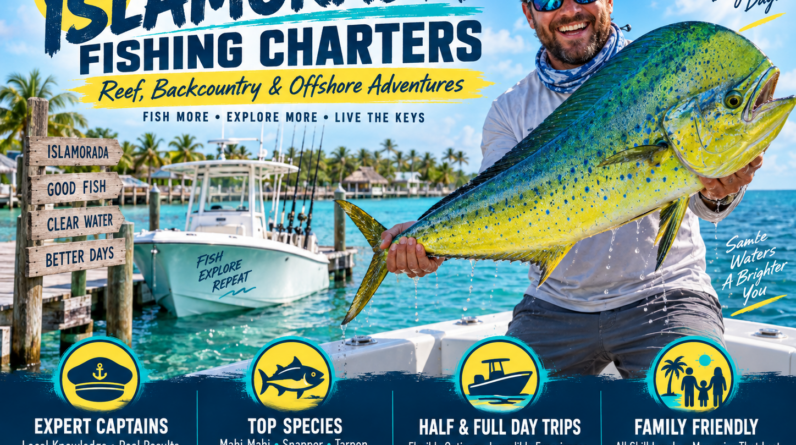
Mahi-Mahi
Mahi-mahi are a favorite warmer-weather offshore target.
Anglers may search for birds, weed lines, floating debris, current edges, and other signs that baitfish and mahi could be nearby.
They are colorful, aggressive, fast-growing fish and a major attraction for people planning summer fishing trips to the Keys.
Blackfin Tuna
Blackfin tuna can provide another offshore opportunity around Islamorada.
Schools of feeding tuna can produce fast-paced fishing when conditions line up.
Wahoo
Wahoo are fast, powerful offshore predators.
They’re more commonly associated with the cooler part of the year and are often targeted by trolling.
Yellowtail Snapper
Yellowtail snapper are one of the classic reef targets of the Florida Keys.
They’re popular because they can provide plenty of action and are also prized as table fare.
Mangrove Snapper
Mangrove snapper can be found around reefs, wrecks, bridges, mangroves, and other structure.
That makes them accessible through several different styles of fishing.
Mutton Snapper
Mutton snapper are another prized reef and wreck species.
They can grow considerably larger than yellowtails and are a popular target for anglers fishing structure.
Grouper
Several grouper species occur throughout the Florida Keys.
They’re commonly associated with reefs, wrecks, ledges, and hard-bottom areas.
Harvest seasons and regulations vary by species, so always check current rules before keeping grouper.
Snook
Snook are more closely associated with inshore and backcountry fishing.
Islamorada’s access to Florida Bay gives anglers opportunities to pursue species like snook without heading into deep water.
Barracuda
Barracuda can be encountered on flats, reefs, wrecks, and other areas throughout the Keys.
Their speed and aggressive strikes can make them an exciting light-tackle target.
Best Time to Fish Islamorada
There isn’t one perfect month for everyone.
The best time to fish Islamorada depends on what you want to catch and how you want to fish.
Our Florida Keys Fishing Calendar is a good starting point when choosing travel dates.
Here’s a general seasonal breakdown.
Islamorada Fishing in Winter
December Through February
Winter can be a strong period for offshore and reef fishing.
Depending on conditions, anglers may target:
- Sailfish
- Wahoo
- King mackerel
- Blackfin tuna
- Snapper
- Cobia
- Spanish mackerel
Cooler temperatures can also make long days on the water more comfortable.
Cold fronts can bring rough conditions, though, so weather flexibility can help.
Islamorada Fishing in Spring
March Through May
Spring is one of the most anticipated periods of the year around Islamorada.
Tarpon receive increasing attention while flats, backcountry, reef, and offshore fishing can all be productive.
Possible targets include:
- Tarpon
- Permit
- Bonefish
- Mahi-mahi
- Sailfish
- Blackfin tuna
- Snapper
- Grouper when applicable seasons are open
If you’ve dreamed about a classic Islamorada tarpon trip, this is the period many anglers look at first.
Islamorada Fishing in Summer
June Through August
Summer often puts more attention on offshore mahi-mahi fishing.
Reef, backcountry, tarpon, snapper, and other opportunities can continue as well.
Possible summer targets include:
- Mahi-mahi
- Tarpon
- Snapper
- Grouper
- Permit
- Bonefish
- Blackfin tuna
Expect hot temperatures, strong sun, humidity, and the possibility of afternoon thunderstorms.
Islamorada Fishing in Fall
September Through November
Fall can be an appealing time for anglers who prefer a quieter Keys trip.
Offshore, reef, flats, and backcountry fishing continue, while cooler-weather species gradually become more prominent later in the season.
We already have more detailed guides for:
Offshore Fishing in Islamorada
Islamorada has a long sportfishing history, and offshore fishing is a major part of it.
Depending on season and conditions, offshore boats may pursue:
- Sailfish
- Mahi-mahi
- Blackfin tuna
- Wahoo
- King mackerel
- Cobia
- Sharks
- Other pelagic species
How far a boat needs to travel can change from one day to the next.
Some days fish may be relatively close. On other days a captain may travel farther looking for good water, bait, current edges, weed lines, birds, or other signs of feeding fish.
This is one reason serious offshore anglers often consider a full-day trip rather than automatically booking the shortest charter available.
More time gives the captain greater flexibility if locating fish requires additional running.
Reef Fishing in Islamorada
You don’t have to run far offshore to find good fishing around Islamorada.
The reef system provides opportunities for species such as:
- Yellowtail snapper
- Mangrove snapper
- Mutton snapper
- Grouper
- Barracuda
- Jacks
- Sharks
Reef fishing can work especially well for:
- Beginners
- Families
- Visitors who don’t want an all-day trip
- Anglers primarily interested in catching dinner
- People who prefer steady action over pursuing one trophy fish
Conditions still matter, but reef fishing can provide a very different experience from trolling offshore.
Wreck Fishing Around Islamorada
Wrecks create habitat and structure that can attract both reef fish and larger predators.
Depending on the location and season, anglers might encounter:
- Snapper
- Grouper
- Amberjack
- Permit
- Cobia
- Barracuda
- Sharks
- Pelagic fish
Fishing techniques vary according to depth, current, target species, and the particular wreck.
Some situations call for live bait, while others may involve jigs or bottom fishing.
Backcountry Fishing in Islamorada
Backcountry fishing is one of the things that helps separate Islamorada from destinations focused primarily on offshore fishing.
Head toward Florida Bay and the environment changes to shallow water, mangroves, channels, flats, and islands.
Possible backcountry targets include:
- Tarpon
- Snook
- Redfish
- Snapper
- Sharks
- Permit
- Barracuda
This style of fishing can appeal to anglers who prefer light tackle and shallow water.
It may also provide alternatives on days when Atlantic conditions aren’t ideal, although wind and weather can still affect backcountry trips.
Flats Fishing in Islamorada
For some anglers, flats fishing is the reason to visit Islamorada.
The classic targets are:
- Bonefish
- Permit
- Tarpon
Instead of dropping bait or trolling offshore, you may be searching shallow water for individual fish.
That means the experience can involve long periods of looking followed by a sudden opportunity where one accurate cast matters.
It can be challenging.
But that’s exactly why experienced anglers travel to the Keys to do it.
Fly Fishing in Islamorada
Islamorada is also well known among fly anglers.
Bonefish, permit, and tarpon are three of the most sought-after targets.
Fly fishing the flats can be demanding because wind, casting distance, presentation, and accuracy all play major roles.
If you’re new to saltwater fly fishing, hiring a guide who regularly works with beginners can save a lot of frustration.
You don’t have to be an expert fly caster to book a trip, but tell the guide about your experience before you arrive.
Islamorada Fishing Charters
Fishing charters are a major part of Islamorada’s tourism industry.
The official Florida Keys tourism site describes Islamorada as having a particularly large fleet of offshore and shallow-water backcountry fishing boats.
Visitors can choose from several styles of trips, including:
- Offshore fishing charters
- Reef fishing trips
- Wreck fishing
- Backcountry trips
- Flats fishing
- Tarpon charters
- Fly fishing
- Family fishing trips
- Half-day trips
- Full-day trips
- Party boat fishing
Before booking, tell the captain:
- When you’re visiting
- How many people are fishing
- Your experience level
- Whether children are coming
- What species you’d most like to catch
- Whether you care about keeping fish
- Whether you’re prone to seasickness
A good captain can then recommend a trip that makes sense for the season and your group.
How Much Does an Islamorada Fishing Charter Cost?
Prices vary widely.
Factors include:
- Trip length
- Boat size
- Type of fishing
- Fuel usage
- Number of anglers
- Offshore versus backcountry fishing
- Individual charter operator
A full-day offshore sportfishing trip will generally cost more than a shorter trip on a smaller backcountry boat.
Before booking, use our Florida Keys Fishing Charter Cost Guide to get a better idea of what to budget.
It also covers additional expenses people sometimes forget about, including gratuities and other trip costs.
Is an Islamorada Fishing Charter Worth It?
Charters aren’t cheap, particularly if you’re comparing them with bridge fishing or a party boat.
But you’re paying for more than transportation.
A charter can provide:
- Local knowledge
- Fishing tackle
- Bait
- Boat access
- Specialized equipment
- Knowledge of current conditions
- Help finding fish
- Guidance with fishing techniques
Whether that’s worth the cost depends on your budget and the importance of fishing to your vacation.
If you’re deciding whether to spend the money, see Is a Florida Keys Fishing Charter Worth It?.
Private Charter or Party Boat?
A private charter isn’t your only option.
Party boats generally sell individual spaces aboard a larger boat, which can lower the cost considerably for solo travelers, couples, and smaller groups.
A party boat can make sense if you:
- Want to spend less
- Are fishing alone
- Are new to saltwater fishing
- Don’t need a customized trip
- Mainly want a chance to get on the water and catch fish
A private charter provides more flexibility and privacy.
For a detailed comparison, read Party Boat vs. Private Fishing Charter in the Florida Keys.
Half-Day or Full-Day Fishing Charter?
A half-day trip can be a good choice for:
- Families
- Children
- Beginners
- Visitors with limited time
- People worried about seasickness
- Some reef trips
- Some backcountry trips
A full-day charter may make more sense for:
- Serious anglers
- Offshore trips
- Targeting a specific species
- Trips where longer travel may be required
- Anglers who want maximum time on the water
Don’t assume longer is always better.
The right choice depends on the type of fishing and the people in your group.
Questions to Ask an Islamorada Fishing Charter
Before paying a deposit, ask:
- What type of fishing do you recommend during my dates?
- What species are currently realistic targets?
- How many anglers can you accommodate?
- Is bait included?
- Is tackle included?
- Is fuel included?
- Does your vessel license cover passengers?
- Can we keep legal fish?
- Do you clean the catch?
- What should we bring?
- What happens if weather cancels the trip?
- Is the boat suitable for children?
- Do you regularly work with beginners?
- What is your cancellation policy?
- What gratuity is customary?
Knowing the answers before your trip can prevent surprises.
Do You Need a Fishing License on an Islamorada Charter?
If you’re fishing aboard a properly licensed Florida saltwater charter or party boat, passengers covered by that vessel’s charter license generally do not need to purchase their own recreational saltwater fishing license.
If you’re fishing independently, different requirements apply.
Always check current Florida Fish and Wildlife Conservation Commission rules before your trip.
Can You Fish Islamorada Without a Boat?
Yes.
You don’t have to book a private charter to fish during an Islamorada vacation.
Possible options include:
- Bridge fishing
- Shore fishing
- Party boats
- Kayak fishing
- Fishing from properly licensed piers where available
The main difficulty can be public access.
Not every stretch of waterfront is open for fishing, and some areas have parking or fishing restrictions.
Check posted rules before setting up.
Bridge Fishing Around Islamorada
Bridges are one of the most recognizable forms of land-based fishing throughout the Florida Keys.
Depending on the bridge, tide, season, and conditions, anglers may encounter species such as:
- Snapper
- Barracuda
- Jacks
- Tarpon
- Sharks
- Grunts
- Other inshore fish
Moving water can be especially important.
Tidal changes move bait through bridge channels and can dramatically affect fishing.
Shore Fishing in Islamorada
Shore fishing opportunities can exist, but access isn’t always straightforward.
Some waterfront areas are private property, while others may prohibit fishing.
Before heading out, check:
- Whether fishing is permitted
- Parking rules
- Hours
- Local restrictions
- Fishing license requirements
- Protected-area rules
Nonresident visitors fishing independently from shore generally need an appropriate Florida nonresident saltwater fishing license unless an exemption applies. Florida currently offers three-day, seven-day, and annual nonresident saltwater licenses.
Kayak Fishing in Islamorada
A kayak can provide access to shallow areas that are difficult to reach from shore.
Kayak anglers may fish:
- Mangrove shorelines
- Flats
- Channels
- Protected backcountry water
Safety needs to come first.
Wind, current, boat traffic, heat, thunderstorms, and distance can all become problems quickly.
If you’re unfamiliar with the area, keep trips conservative and monitor weather and marine conditions carefully.
Fishing With Kids in Islamorada
Islamorada can work well for a family fishing trip, but the trip should match the age and experience of the children.
Possible choices include:
- Short reef trips
- Backcountry fishing
- Half-day charters
- Party boats
- Calm-weather trips
- Family-oriented charters
A full-day offshore trip isn’t automatically the best first fishing experience for a young child.
Ask the charter operator what they recommend for your children’s ages.
You can also read Why Are the Florida Keys Perfect for Family-Friendly Fishing?.
Check Fishing Regulations Before Keeping Your Catch
Florida fishing regulations can include:
- Minimum sizes
- Maximum sizes
- Bag limits
- Vessel limits
- Closed seasons
- Gear restrictions
- Protected species
- Special permits
Rules may also differ between state and federal waters.
Because regulations change, check current Florida Fish and Wildlife Conservation Commission information before deciding whether a fish can be kept.
Where to Buy Bait and Tackle
If you’re fishing independently, you’ll probably need to find bait, tackle, ice, or other supplies.
Local bait and tackle shops can also be useful places to pick up information about fishing conditions and what anglers have been using.
See our guide to the Best Bait Shops in the Florida Keys before your trip.
What Should You Bring Fishing in Islamorada?
Charters often provide the actual fishing tackle, but there are still several things worth bringing.
Consider packing:
- Polarized sunglasses
- Hat
- Sunscreen
- Lightweight sun-protective clothing
- Rain protection
- Water
- Snacks
- Motion-sickness medication if needed
- Phone or camera
- Waterproof bag
- Appropriate footwear
- Cash for gratuity if appropriate
The Florida sun can be intense throughout the year.
Sun protection is worth thinking about even on cloudy days.
Is Islamorada Good for Beginners?
Yes.
You don’t have to be an experienced angler to fish Islamorada.
Beginners can choose from:
- Reef fishing
- Backcountry fishing
- Family charters
- Party boats
- Half-day trips
- Guided flats fishing
- Bridge fishing
Tell your captain you’re a beginner.
That information helps them choose fishing techniques and locations that make the day more enjoyable.
Is Islamorada Good for Serious Anglers?
This is where Islamorada really stands out.
Experienced anglers can build trips around specific targets and techniques, including:
- Tarpon
- Permit
- Bonefish
- Sailfish
- Fly fishing
- Light-tackle fishing
- Offshore fishing
- Wreck fishing
The combination of Atlantic, reef, flats, and Florida Bay access means an angler could fish completely different water on consecutive days.
Islamorada or Key Largo for Fishing?
Key Largo and Islamorada are relatively close, but they offer somewhat different vacation experiences.
Key Largo may appeal if you:
- Want to stay closer to mainland South Florida
- Want fishing to be one part of a larger vacation
- Prefer the Upper Keys
Islamorada may appeal if:
- Fishing is one of the main reasons for your trip
- You want a large selection of charter options
- You’re interested in flats and backcountry fishing
- You want to pursue classic Keys species such as tarpon, bonefish, and permit
If you’re still deciding, check our Key Largo Fishing Guide to compare the two destinations.
Islamorada or Key West for Fishing?
Both destinations offer excellent fishing, but the vacation experience can be very different.
Islamorada’s identity is heavily connected to fishing and boating.
Key West combines fishing with a much larger tourism, entertainment, dining, and nightlife scene.
Islamorada may make more sense for someone whose trip revolves primarily around fishing.
Key West may appeal more to a group where fishing is only one of several activities.
How Many Fishing Days Should You Book?
If fishing is the main reason you’re visiting, booking more than one day can be worthwhile.
Weather can ruin even the best-planned trip.
If possible, schedule your most important charter earlier in the vacation so you have some room to reschedule if necessary.
You could also book two different fishing experiences.
For example:
Day One: Offshore or reef fishing
Day Two: Flats or backcountry fishing
That lets you experience two very different sides of Islamorada fishing.
Planning Your Islamorada Fishing Trip
Before you start booking, answer a few questions.
When Are You Going?
Your travel dates can affect which species are available.
Start with our Florida Keys Fishing Calendar.
What Do You Want to Catch?
If one species is especially important to you, research its seasonal patterns before choosing your dates.
How Do You Want to Fish?
Your options include:
- Offshore
- Reef
- Wreck
- Backcountry
- Flats
- Fly fishing
- Bridge
- Kayak
- Party boat
Will You Book a Charter?
If so, determine your budget first.
Our Florida Keys Fishing Charter Cost Guide can help.
Are You Fishing Independently?
Check access points, license requirements, bait availability, tides, and fishing regulations before your fishing day.
Frequently Asked Questions About Islamorada Fishing
Is Islamorada good for fishing?
Yes. Islamorada offers offshore, reef, wreck, flats, and backcountry fishing. The destination is internationally associated with sportfishing and is promoted as the Sport Fishing Capital of the World.
What fish can you catch in Islamorada?
Depending on season and location, anglers may pursue tarpon, bonefish, permit, sailfish, mahi-mahi, blackfin tuna, wahoo, snapper, grouper, snook, barracuda, and other Florida Keys species.
What is Islamorada best known for fishing?
Islamorada is particularly well known for tarpon, bonefish, permit, sailfish, offshore sportfishing, and flats and backcountry fishing.
What is the best month to fish Islamorada?
There isn’t one best month for every species. Spring gets considerable attention for tarpon and flats fishing, summer can be attractive for mahi-mahi and reef fishing, and cooler months can produce sailfish, wahoo, kingfish, and other offshore species.
Use our Florida Keys Fishing Calendar to compare seasons.
Do you need a fishing license in Islamorada?
It depends on how you’re fishing. Passengers aboard properly licensed for-hire saltwater charter vessels are generally covered by the vessel’s license. Visitors fishing independently usually need the appropriate Florida license unless an exemption applies.
Can beginners fish in Islamorada?
Yes. Reef trips, backcountry trips, half-day charters, and party boats can all work for beginners.
Can you fish Islamorada without a boat?
Yes, although public access can be limited. Bridge, shoreline, pier, and kayak fishing may provide alternatives to a private charter.
Are Islamorada fishing charters expensive?
Prices vary by boat and trip. Offshore full-day charters generally cost more than shorter backcountry or reef trips. Use our Florida Keys Fishing Charter Cost Guide when budgeting.
Is a private charter worth it?
That depends on your budget and goals. A private trip offers greater flexibility and personal attention, while party boats can provide a lower-cost way to get on the water. Read Is a Florida Keys Fishing Charter Worth It? for more help deciding.
Start Planning Your Islamorada Fishing Trip
Islamorada gives anglers access to an unusually wide range of fishing in a relatively small area.
You can chase sailfish or mahi-mahi offshore, fish the reef for snapper, hunt tarpon around channels, sight-cast to bonefish and permit on the flats, or spend a day fishing the backcountry.
That variety is one of the biggest reasons Islamorada has built such a strong fishing reputation.
Start by deciding when you’re visiting, what you’d most like to catch, and what kind of fishing experience you want.
Then use the Florida Keys Fishing Calendar to choose the right season, compare the cost of Florida Keys fishing charters, and use the Key Largo Fishing Guide if you’re still deciding where in the Upper Keys to stay.