

Table of Contents
The Impact of Weather on Fishing in the Florida Keys
The Florida Keys are a prime fishing destination, attracting anglers from around the world. However, one of the most significant factors that influence fishing success in this region is the weather. Understanding how different weather conditions can impact fishing can greatly enhance your chances of landing a big catch.
Temperature Effects on Fish Behavior
Water temperature plays a crucial role in determining where fish will be found. Fish are cold-blooded, meaning their body temperature matches the surrounding water. When temperatures rise, fish become more active but can also seek deeper, cooler waters. Conversely, when the water cools, fish tend to move towards warmer shallow areas to feed.
- Warm Weather: Increased fish activity, especially for species like tarpon and bonefish.
- Cool Weather: Fish may become lethargic and require more patience when fishing.
Wind Patterns and Fishing
Wind can dramatically change fishing conditions in the Keys. A steady breeze can help keep the surface calm, which is ideal for fly fishing. However, strong winds can make it challenging to cast effectively and locate fish near the surface.
Pay attention to the direction of the wind:
- North Winds: These can help cool water temperatures, often making the fishing more favorable.
- South Winds: Usually result in warmer water, possibly pushing fish to seek cooler depths.
Rain and Cloud Cover Influences
Rain may deter some anglers, but in reality, it can create excellent fishing conditions. Brief showers can increase the amount of food in the water as nutrients are washed in, attracting fish to feed. Moreover, overcast skies tend to make fish feel more secure, allowing them to roam more freely. This is especially true for species like the snapper and grouper.
Rain Trends to Consider:
- Short, light rains enhance fishing conditions, especially after the rain ends.
- Heavy rainfall can muddy the water and reduce visibility, making fish harder to find.
Seasonal Weather Changes
Understanding seasonal shifts can help you plan your fishing trips effectively. The Florida Keys experience a tropical climate, which means different seasons can significantly impact fish activity. During the fall, for instance, fish may be gearing up for winter and can be more aggressive in feeding, which is great for anglers. On the other hand, summer storms can lead to unpredictable weather, impacting fishing plans.
Seasons to Enhance Your Fishing:
- Spring: Ideal for tarpon migrations and prime fishing periods.
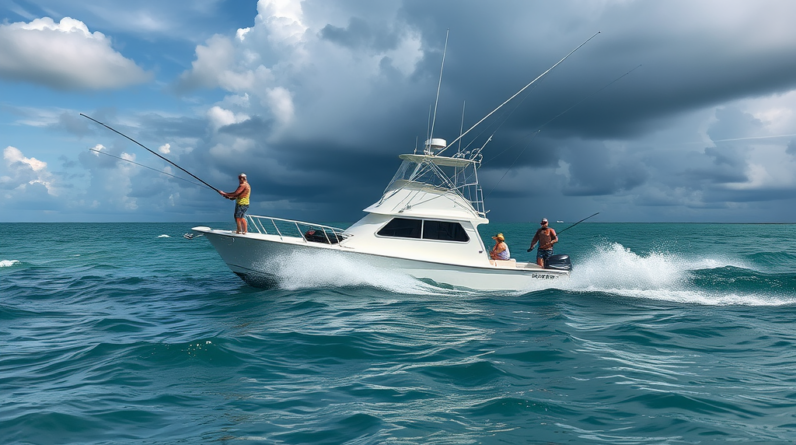
- Summer: Excellent for catching mahi-mahi but watch out for storms.
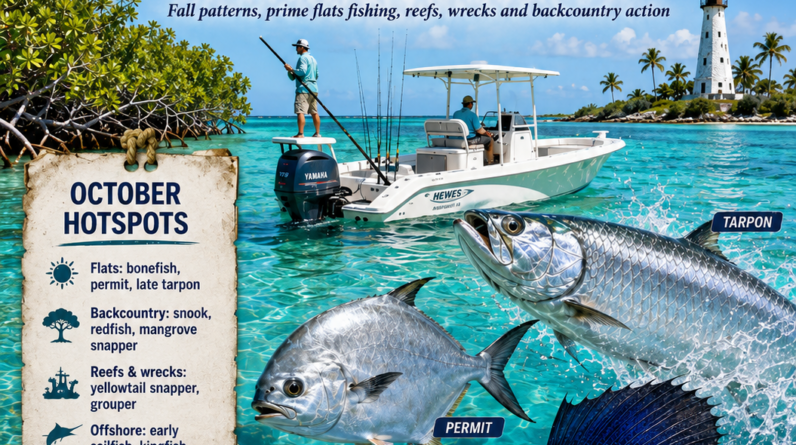
- Fall: Great time for a variety of species as waters start to cool.
- Winter: Target species like snapper and grouper in deeper waters.
Weather Technologies and Planning
With advancements in weather prediction technologies, fishermen can now access accurate forecasts to plan their outings more effectively. Utilizing apps and websites that provide real-time weather updates can be a game-changer. You can monitor:
- Temperature and humidity levels
- Wind speed and direction
- Precipitation forecasts
By staying informed, you can optimize your fishing experience and make adjustments on the fly. It’s all about adapting to current conditions.
Final Thoughts on Weather and Fishing
The interplay between weather and fishing in the Florida Keys is incredibly dynamic. By understanding how temperature, wind, rain, and seasonal changes affect fish behavior, you can increase your chances of a successful outing. Whether you are a seasoned angler or a novice, keeping weather conditions in mind will undoubtedly improve your fishing game in this beautiful tropical paradise. Always remember to enjoy the experience, as fishing is as much about the journey as the catch!
Seasonal Fishing Patterns: How Weather Influences Species Availability
The Florida Keys are a fisherman’s paradise, but did you know that weather patterns significantly affect which species you can catch throughout the year? Understanding how seasonal changes and weather fluctuations influence fish availability can make your fishing experience more enjoyable and successful. Let’s dive into how different weather conditions impact fishing in this unique region.
In the Florida Keys, various species of fish are available in different seasons due to shifting temperatures, water clarity, and food sources. Here are the primary weather conditions that influence fishing patterns:
Temperature Changes
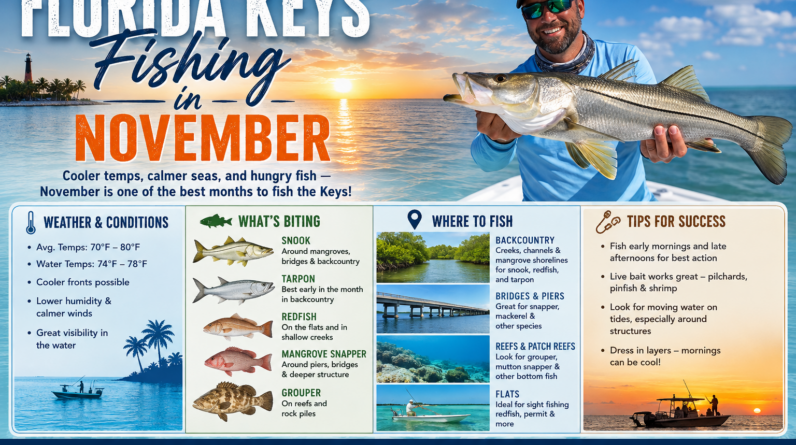
Water temperature is a crucial element in determining fish behavior. As water warms during the spring and summer months, many species become more active. For example:
- Tarpon: These fish migrate to the Keys as the water temperature rises, typically arriving in late spring.
- Mahi-Mahi: Warmer waters attract these colorful fish, making them prevalent from late spring to early fall.
- Grouper: As the waters warm, grouper move closer to shore, making them easier to catch.
Rainfall Patterns
Rainfall can influence both water temperature and salinity, which affects fish availability. Heavy rains may decrease water clarity, sending some fish deeper into the ocean.
- Bonefish: They prefer clear waters, so heavy rain can push them to more offshore locations.
- Snapper: These fish are typically less affected by rain; they can be caught even during downpours.
Wind and Tides
Wind can play an essential role in fishing conditions. Strong winds can create rough seas, making it challenging to fish offshore. However, they can also push baitfish closer to shore, attracting larger predators.
- Snook: They are often found near shorelines during windy days as they hunt for bait pushed by currents.
- Jacks: These fish can be opportunistic hunters and may show increased activity during windy conditions.
Seasonal Movements
In the Florida Keys, many fish species exhibit distinct seasonal movements:
- Spring: As temperatures rise, species like tarpon and cobia flock to the area. It’s a prime time for anglers looking for big-game fishing.
- Summer: This is peak fishing season. Species like snapper, mahi-mahi, and grouper are abundant.
- Fall: Fish begin to migrate south as temperatures start to cool, leading to exciting catch rates for various species.
- Winter: Fishing may slow down, but species like yellowtail snapper remain active, providing good fishing opportunities.
Affect of Barometric Pressure
Barometric pressure changes can also impact fish activity. Typically, fish are more active during a falling barometer and less so when the barometer is rising. Keeping an eye on weather forecasts and pressure readings can enhance your fishing trips.
For your fishing trips in the Florida Keys, you should consider the time of year and check the weather forecasts regularly. Here are a few practical tips:
- Monitor water temperatures to know when to expect specific species.
- Check local rainfall reports to anticipate changes in water clarity.
- Pay attention to wind conditions, which can either help or hinder your fishing experience.
- Keep an eye on barometric pressure to gauge fish activity levels.
The diverse weather patterns in the Florida Keys create a vibrant fishing environment that changes with the seasons. By understanding how temperature, rainfall, wind, and barometric pressure affect fish availability, you can improve your chances of landing that prized catch. So next time you plan a fishing trip in the Florida Keys, remember that being aware of the weather can be just as crucial as knowing your fishing techniques!
Understanding Weather Forecasts: Key Factors for Anglers in the Florida Keys
When it comes to fishing in the Florida Keys, understanding weather forecasts is crucial for every angler. Weather conditions can drastically affect fish behavior, feeding patterns, and your overall fishing experience. By getting a solid grasp on the essential factors of weather forecasts, you can increase your chances of a successful catch.
Why Weather Matters for Fishing
The relationship between weather and fishing is quite significant. Fish are sensitive to changes in temperature, barometric pressure, humidity, and wind direction. Each of these factors plays a role in determining not only where fish are located, but also their activity levels.
Key Weather Factors to Consider
Here are some key weather factors that are vital for planning your fishing trips:
- Temperature: Water temperature can affect fish metabolism. For instance, warmer waters may increase fish activity, while cooler waters might slow it down. Typically, species such as snapper and grouper prefer temperatures between 70°F and 85°F.
- Barometric Pressure: Changes in barometric pressure can signal fish feeding times. Low pressure often indicates that fish are more active and likely to feed, while high pressure might lead to more lethargic behavior.
- Wind Direction: Wind patterns can push baitfish and other food sources towards certain areas, making these spots more attractive to larger predators. For example, wind blowing towards a point can lead to better fishing in that area.
- Cloud Cover: Overcast skies can create favorable conditions for fishing. Fish tend to be more active when the sunlight is blocked, as they feel safer to move around and search for food.
- Rainfall: Rain can stir up the water and make it less clear, which can affect visibility for fish. However, a light rain can also cool the water temperature and trigger feeding.
Seasonal Weather Patterns
Different seasons present unique weather phenomena that can influence fishing in the Florida Keys:
- Spring: This season usually brings warm temperatures and increased fish activity. Many species are spawning, so you can expect more aggressive feeding.
- Summer: The warmer temperatures can lead to higher water temperatures. Early mornings and late afternoons are typically the best times to fish in the summer heat.
- Fall: Fish are often fattening up for winter, which can lead to excellent fishing conditions. Cooler nights can also stabilize water temperatures.
- Winter: Though many might think fishing slows down during winter, certain species like snapper can be quite abundant. The cooler waters can change fish behavior, making them feed more at specific times.
Staying Updated with Weather Forecasts
For fishing enthusiasts, having access to reliable weather forecasts is essential. Consider using these resources:
- Weather Apps: Apps like Weather Underground or NOAA Weather provide real-time updates and forecasts specific to your fishing location.
- Local Reports: Tune in to local radio stations or websites that offer fishing reports and weather conditions.
- Social Media: Many local fishing groups on platforms like Facebook and Instagram share updates on the latest weather conditions and fishing results.
Preparing for Changing Conditions
As you prepare for your fishing trip, consider these tips:
- Dress in layers to adapt to changing temperatures throughout the day.
- Always have rain gear handy; sudden showers can occur in the Florida Keys.
- Keep an eye on the radar for storm systems while out on the water.
Understanding weather forecasts is vital for anglers in the Florida Keys. By considering factors such as temperature, barometric pressure, and seasonal patterns, you can boost your fishing success. Stay informed, prepare accordingly, and you’ll be well on your way to enjoying a fruitful day on the water.
Equipment Considerations: Adapting Your Fishing Gear to Weather Conditions
When you set out to fish, the weather plays a massive role in determining your success. Whether you’re planning a day on the serene waters of the Florida Keys or hitting your local fishing spot, understanding how to adapt your fishing gear to varying weather conditions can maximize your results. Let’s dive into how to adjust your equipment based on the weather.
First and foremost, consider the impact of temperature. On particularly hot days, fish tend to stay deeper in the water where it’s cooler. This means you’ll need to adjust your fishing gear accordingly. Use weighted lures and increased line depth to reach those cooler areas where fish are more likely to congregate. Additionally, incorporating lighter tackle can help you feel more sensitive bites, crucial when fish are not as aggressively feeding.
On the flip side, if you’re fishing on a cool or windy day, you might want to use heavier lures. This will help you cast further against the wind and maintain control over your bait in choppy conditions. A good strategy is to switch to a heavier line and more robust rod that can withstand the elements. You might also find that fish are more active in cooler weather, so being prepared with the right gear is key.
Another essential aspect is the effect of rain. Light rain often leads to increased fish activity as the incoming water disrupts the surface, mimicking a more natural feeding environment. In this situation, use topwater lures to exploit the feeding frenzy. However, in a downpour, fish might seek deeper waters. Carry a variety of baits from topwater to deeper divers, allowing for a quick adjustment based on the intensity of the rain.
Windy Days: When planning your fishing trip on a breezy day, be mindful of the following:
- Use a heavier line to maintain control over your bait.
- Consider a more robust rod that can handle tougher conditions.
- Opt for lures that can easily cut through the wind.
Visibility is another crucial factor influenced by the weather. Clear, sunny days often mean you’ll need to opt for more realistic or subtle lures, as fish will be more aware of their surroundings. Use natural colors that blend in with the environment. In conditions with reduced visibility, like during overcast days or light rain, brighter colors can attract fish from a distance. Adapting your lure colors and styles can make all the difference in these varying light conditions.
Moreover, the time of day will also affect your gear choices. Early mornings and late evenings are typically prime fishing times, as fish tend to be more active during these hours. If you’re venturing out during these times, using glow-in-the-dark or reflective lures can work wonders. Make sure to carry a multi-species tackle box that accommodates both bright and subdued lures for whatever the weather and time of day may present.
Temperature fluctuations can further influence your fishing strategy. During seasonal transitions, for example, fish may move to different depths or locations. Stay adaptable by keeping several different types of baits and lurers ready at hand. Be prepared to switch tactics if you’re not experiencing success in your usual spots.
Remember that rainy conditions can lead to changes in water levels. These changes might force fish into different areas, so be ready to explore new spots. Bring along a sturdy pair of waterproof boots, as you may need to wade in to get to your ideal fishing location. Adjusting the location where you fish based on the weather can be just as vital as choosing the right equipment.
Understanding how to adapt your fishing gear based on varying weather conditions in the Florida Keys is essential for a productive fishing trip. The gear used should match the current conditions, whether it’s temperature, wind speed, rain, or visibility. Carrying a variable tackle box and being willing to adjust your baits will ultimately enhance your fishing experience. By keeping these tips in mind, you can increase your chances of landing that big catch regardless of what Mother Nature throws your way.
Local Knowledge: Insights from Fishermen on Weather-Driven Fishing Strategies
Fishing in the Florida Keys is more than just a hobby; it’s an art shaped by nature, particularly the weather. Local fishermen have a wealth of knowledge about how weather influences their catch. Let’s delve into some of the insights they share about weather-driven fishing strategies.
Understanding Weather Patterns
Weather patterns can dramatically affect fish behavior and habitat. Fishermen often rely on their understanding of local climate conditions to plan their trips effectively. Here’s how key weather elements play a role:
- Temperature: Water temperature influences fish metabolism. Most species are more active when waters are warm. Fishermen watch for rising temperatures, especially during spring, which can signal better feeding times.
- Humidity: High humidity can affect fish feeding patterns. Many anglers report that fish bite more actively right before a rainstorm.
- Wind Direction: Wind can drive baitfish towards shorelines or different areas. Local knowledge dictates that anglers often follow the wind to maximize their chances of a good catch.
Seasonal Variations
Different seasons offer unique fishing opportunities, and local fishermen know when to expect certain fish species. Their insights help them adjust tactics accordingly:
- Spring: As temperatures rise, species like tarpon and permit become more prevalent. Fishermen utilize lighter tackle and shallow waters to catch these more active fish.
- Summer: While summer means warmer waters, it also brings more unpredictable weather. Local fishermen prefer early morning or late evening trips to avoid the intense heat and midday thunderstorms.
- Fall: This season triggers migration. Fishermen target migratory species, adjusting their bait to match what’s currently active in the waters.
- Winter: Although temperatures drop, fishing can still be good. Local anglers often focus on deeper waters, where fish like grouper seek shelter from the cold.
Listening to the Wind
Fishermen often say, “Watch the wind to know where to fish.” Wind influences water currents, bait movement, and overall fishing success. Here are some key takeaways:
- Fishermen often prefer fishing into the wind, as it pushes baitfish closer to the shore, attracting larger predatory fish.
- Wind can also create hot spots where fish gather. Anglers who understand this benefit from a better catch rate.
- Catching fish might be more challenging on windy days, but experienced anglers adapt by choosing more sheltered spots or using heavier weights to keep bait in place.
Pre-Storm Strategies
Weather changes, especially approaching storms, can trigger unique fishing behaviors. Fishermen notice that many species feed aggressively right before a storm. Here’s how they react:
- They prepare by stocking their boats with popular bait species, targeting likely feeding areas such as drops and ledges.
- Local fishermen often plan to fish early on stormy days, as fish tend to be more active during the atmospheric changes.
- They may also shift focus to inshore spots where fish find refuge from choppy waters.
Storm Recovery Tips
After a storm passes, fishing conditions can shift drastically. Here are some strategies local fishermen employ:
- Post-storm, waters might be murky. Anglers adjust by using scents or more vibrant lures to capture fish’s attention.
- They also look for structure, such as reefs where fish might seek shelter.
- Patience is key. After heavy weather, fish often need time to adjust and return to normal feeding patterns.
Understanding the intricate relationship between weather and fishing enhances your experience on the water. By tapping into local knowledge, you not only increase your chances of a successful outing but also deepen your connection with the vibrant ecosystem of the Florida Keys. So, next time you set out to fish, take a moment to consider the sky, the wind, and the waves. They might just lead you to your biggest catch yet!
Conclusion
As we’ve explored, weather plays a crucial role in fishing success in the Florida Keys. The interplay between seasonal patterns and species availability can mean the difference between a productive fishing trip and a day with little to show for your efforts. Understanding local weather forecasts is essential. Factors like wind direction, temperature fluctuations, and barometric pressure can significantly impact fish behavior. By keeping an eye on these elements, anglers can make informed decisions that enhance their chances of landing a big one.
Your choice of equipment is also vital. Adapting your fishing gear to suit specific weather conditions not only improves comfort but also boosts your effectiveness on the water. For instance, lightweight gear may be ideal on hotter days, while sturdier tackle is beneficial during windy conditions.
Engaging with the local fishing community can elevate your fishing experience. Fishermen often share invaluable insights on how to navigate weather-driven fishing strategies. These shared experiences can provide you with tips that only come from spending time on the water.
Ultimately, being aware of how weather influences fishing in the Florida Keys empowers you to prepare better and fish smarter. By respecting nature’s patterns and utilizing local knowledge, you can maximize your fishing adventures and make each outing memorable. So, when you plan your next fishing trip in this beautiful locale, remember: understanding the weather isn’t just an advantage—it’s a key to success. Happy fishing!