


Oh [Music] My God [Music] Foreign

Table of Contents
Florida Keys Fishing
Florida Keys fishing offers a range of opportunities to target a variety of species. You can catch everything from tarpon to mahi mahi and more.
A few tips can make a big difference in how your Florida Keys fishing trip turns out. Taking the time to learn how to navigate the water and what fishing tackle to use will dramatically improve your chances of getting the fish of your dreams.
Inshore Fishing
Inshore fishing is a great option for beginners and anglers of all experience levels. In the Keys, there are many shorelines, bays and estuaries that offer a great day of inshore fishing.
In addition to fishing from a boat, many people opt for guided inshore trips. Guides have the knowledge to catch fish and the experience to help you make the most of your trip.
A popular bait for inshore fishing is a lead head jig and grub combo. These lures come in a variety of colors, shapes and sizes.
Inshore fishing in the Florida Keys is also a great way to get out on the water with friends or family. It’s a fun and affordable way to experience the beautiful waters of the Florida Keys.
Offshore Fishing
Offshore fishing in the Florida Keys is a popular pastime for locals and visitors alike. It’s one of the best ways to test your angling skills, get some quality deep sea fishing, and enjoy a delicious meal.
The waters here are home to some of the world’s most desirable fish species, including Marlin and Tuna. Big game fishing is an iconic pastime in the Florida Keys, and you can often find professional outfitters ready to take you out for your share of Marlin action.
Blackfin Tuna are common in the area, but you can also hook up on Bluefin and Yellowfin. These fish tend to roam around the area’s “humps” – large underwater mountains that trigger a natural upwelling of nutrient-rich seawater that attracts predatory fish.
Reef Fishing
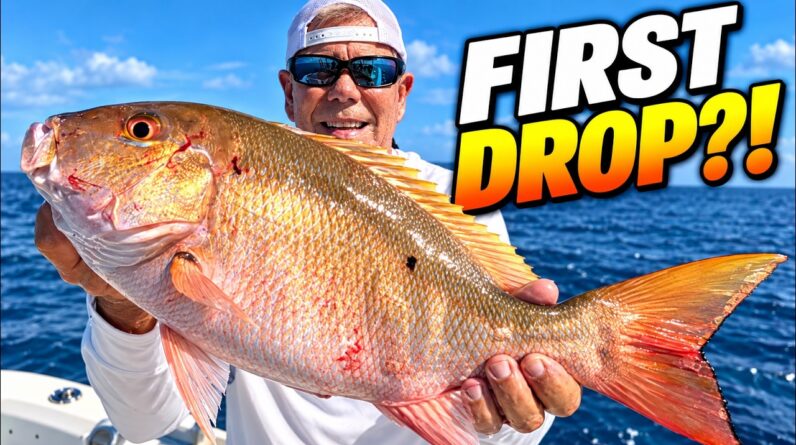
The reefs along the Florida Keys coastline, including the Key West barrier reef, are home to a veritable pandoras box of porgies, snappers, grouper, blackfin tuna, amberjack, African pompano, sailfish and wahoo.
Fishing the Florida reef system with a good Florida keys fishing guide is an unforgettable experience. Whether you’re a novice or seasoned angler, an experienced guide can help you maximize your opportunities and catch the big ones.
During your Florida reef fishing trip, your captain can recommend what type of fishing will be most productive based on current conditions and wind. They will also help you choose the best baits and tackle for your target species.
Flats Fishing
Flats fishing is one of the most popular forms of fishing in the Florida Keys. Unlike deep sea fishing, flats fishing is done in shallow water and can be accessed from shore or aboard a boat.
These areas provide shelter for many species of small fish. They also serve as a food source for larger predatory fish, like Bonefish, Permit, Tarpon, Snook and Redfish.
Several groups are trying to collect information about these flats and their habitats in order to help the fish thrive again. They are working to make sure that fishermen understand the importance of protecting these pristine marine environments.
If you’re looking to book a trip for flats fishing, be sure to pick a guide that knows the area well. They’ll be able to share secret honey holes and local tricks with you. You’ll have a more successful trip and enjoy yourself even more!
Kayaking
If you’re looking for a great way to experience the Florida Keys, kayaking is a fantastic choice. This form of water travel is quiet, slow-paced and less invasive than a day on the ocean or a more challenging river trip.
There are plenty of options for paddlers to explore the Keys by kayak, including guided tours and fishing trips. You can even rent a kayak to use on your own if you don’t already have one.
The best place for kayaking in the Florida Keys is Indian Key Historic State Park, where you can gently paddle over seagrass flats and see plenty of sting rays, dolphins, and manatees in the water below. The park also boasts 2.5 miles of mangrove trails.