

Imagine standing on the pristine shores of the Florida Keys, feeling the warm sea breeze and watching the crystal-clear waters glisten under the bright sunshine. As you cast your fishing line into the ocean, you can’t help but wonder: how do these tides affect my chances of a successful catch? In this article, we will take a closer look at the fascinating world of tides in the Florida Keys and explore their direct impact on the art of fishing. Get ready to unravel the secrets of the tides and discover how they can make or break your fishing experience in this stunning coastal paradise.
Table of Contents
Factors Affecting Tides in the Florida Keys
The Moon’s Influence on Tides
The moon plays a significant role in the tides experienced in the Florida Keys. As the moon orbits around the Earth, it exerts a gravitational pull on the oceans, causing them to bulge towards the moon. This results in a high tide. When the moon is at its zenith or its nadir, the gravitational pull is at its strongest, leading to higher high tides and lower low tides. This phenomenon is known as the lunar tide.
The Sun’s Influence on Tides
While the moon has a larger impact on tides, the sun also contributes to the tidal patterns observed in the Florida Keys. The gravitational force exerted by the sun is less than that of the moon but it can still influence the tides, especially during specific alignments such as during full and new moons. When the sun and the moon are aligned, their combined gravitational forces result in higher high tides, known as spring tides. Conversely, when the sun and the moon are perpendicular to each other, the gravitational forces partially cancel out, resulting in lower high tides, known as neap tides.
Shape of the Florida Keys
The unique shape of the Florida Keys can also influence tides. The Florida Keys archipelago stretches in a southwest to northeast direction, creating a natural barrier that can affect the flow and intensity of tides. The narrow channels between the islands can act as funnels, amplifying the tidal currents. Additionally, the flat and shallow areas near the shoreline can cause tides to appear higher or lower than they would in a more open coastal area.
Gulf Stream Currents
The Gulf Stream, a powerful ocean current that flows north along the eastern coast of Florida, has a significant impact on tides in the Florida Keys. The Gulf Stream can affect the frequency and intensity of tides due to its flow patterns and the interaction with other currents in the region. These interactions can result in variations in tidal currents, especially near the Gulf Stream’s edge, where swift currents and upwellings occur. It is important for fishermen to be aware of these currents and how they can affect fishing conditions.
Weather Conditions
Weather conditions such as wind and atmospheric pressure can also influence tides in the Florida Keys. Strong winds can cause the water to pile up or be pushed away from the coastline, affecting the height and timing of tides. Similarly, changes in atmospheric pressure can lead to variations in sea level. This means that fishermen should pay attention to weather forecasts and understand how different weather conditions can impact the tides and their fishing plans.
Types of Tides in the Florida Keys
High Tides
High tides occur when the water level rises to its highest point during a tidal cycle. In the Florida Keys, high tides can be influenced by various factors such as the alignment of the sun and moon, the shape of the land, and the Gulf Stream currents. High tides provide opportunities for fishermen to access normally submerged areas and target species that thrive in shallow waters.
Low Tides
Conversely, low tides happen when the water level falls to its lowest point during a tidal cycle. During low tides in the Florida Keys, certain areas that are typically submerged become exposed, revealing sandbars, oyster beds, and other structures. Low tides can create opportunities for fishermen to explore new fishing spots or target species that are more easily accessible in shallow water.
Spring Tides
Spring tides occur during the new moon and the full moon when the Earth, sun, and moon are aligned. During spring tides, the gravitational forces exerted by the sun and moon combine, resulting in higher high tides and lower low tides. Spring tides can create stronger tidal currents, providing optimal conditions for fishing. However, it is crucial for fishermen to be cautious of the increased water movement during spring tides.
Neap Tides
Neap tides occur during the first and third quarters of the moon when the sun and moon are perpendicular to each other. During neap tides, the gravitational forces exerted by the sun and moon partially cancel each other out, leading to lower high tides and higher low tides. The reduced tidal range during neap tides can make fishing conditions more challenging, especially in areas where tidal currents are essential for targeting certain species.
Storm Surge Tides
In addition to the regular tides, the Florida Keys are susceptible to storm surge tides during tropical storms and hurricanes. Strong onshore winds and low atmospheric pressure caused by these weather events can elevate water levels significantly above normal tide levels. Storm surge tides can lead to dangerous and unpredictable conditions, making it crucial for fishermen to prioritize their safety and stay informed about weather forecasts and warnings.
Tidal Patterns in the Florida Keys
Semi-Diurnal Tides
The Florida Keys experience semi-diurnal tides, which means that there are two high tides and two low tides of roughly equal magnitude each day. This tidal pattern occurs due to the gravitational pull of the moon. The time between the high tide and the subsequent low tide is approximately six hours and twelve minutes, resulting in a predictable tidal cycle for fishermen to plan their fishing activities.
Diurnal Tides
Diurnal tides, on the other hand, consist of only one high tide and one low tide within a tidal cycle. This tidal pattern is relatively rare in the Florida Keys but can occur due to specific geographic or atmospheric conditions. Fishing during diurnal tides can be challenging, especially if the timing of the tide does not align with the preferred fishing times for certain species.
Mixed Tides
Mixed tides combine aspects of both semi-diurnal and diurnal tides, resulting in uneven tidal heights and durations within a tidal cycle. In the Florida Keys, mixed tides can occur when the tidal currents are affected by various factors such as the shape of the land, the interaction of different currents, or the presence of underwater structures. Understanding the specific characteristics of mixed tides in different fishing locations is essential for successful fishing in the Florida Keys.
Understanding the Tide Table
Components of a Tide Table
A tide table is a crucial tool for fishermen to plan their fishing trips and understand the tides in the Florida Keys. A typical tide table contains information such as the date, time, and height of high and low tides. Some tide tables also provide additional data like tidal currents, moon phases, and sunrises/sunsets. Understanding the components of a tide table will allow fishermen to interpret the information accurately and make informed decisions regarding their fishing activities.
Interpreting a Tide Table
Interpreting a tide table involves understanding the time and height of the tides and how they relate to the desired fishing conditions. For example, if you prefer fishing during high tide, you would look for the times when the high tide occurs. Additionally, paying attention to the tidal range, which is the difference in height between high and low tides, can provide insights into the intensity of tidal currents and potential fishing opportunities.
Using a Tide Table for Fishing
Utilizing a tide table for fishing involves planning your fishing activities around the tides. By identifying the times of high and low tides, you can determine the optimal fishing windows for targeting specific species. For instance, if you are targeting feeding fish, it is beneficial to fish during the incoming tide when baitfish and other prey are moving towards the shoreline. Familiarizing yourself with the tide table and its entries will enable you to maximize your chances of a successful fishing trip in the Florida Keys.
Effect of Tides on Fishing in the Florida Keys
Tidal Currents and Bait Movement
Tidal currents caused by the ebb and flow of tides play a vital role in the movement of baitfish and other aquatic organisms. During an incoming tide, baitfish are often swept towards the shoreline, attracting larger predatory fish. Conversely, during an outgoing tide, baitfish tend to move away from the shoreline, potentially affecting the location and behavior of target species. Understanding the relationship between tidal currents and bait movement allows fishermen to position themselves strategically and increase their chances of a successful catch.
Preferred Fishing Times
Different species of fish exhibit preferences for specific tidal conditions. For example, certain sportfish may be more active during high tide, while others prefer to feed during the outgoing tide. By studying the feeding habits and preferences of the species you wish to target, you can determine the preferred fishing times for each species and plan your fishing trips accordingly. It is important to note that the preferences of fish can vary, so observing and adapting to the local conditions is crucial for successful fishing.
Targeting Specific Species
Tides can influence the behavior and movements of various species in the Florida Keys. For instance, certain species, such as tarpon, may gather at specific locations during spring tides to take advantage of the increased water movement and abundance of prey. Understanding the behavior and preferences of different species in relation to the tides allows fishermen to target specific species more effectively. Researching the habits and patterns of the fish you want to catch can significantly enhance your fishing experience in the Florida Keys.
Selecting Fishing Spots
Tides affect the availability and accessibility of different fishing spots in the Florida Keys. During high tides, normally submerged areas such as flats and mangrove shorelines become more accessible, providing opportunities for targeting species that favor these habitats. On the other hand, during low tides, certain structures such as reefs and channels may be exposed, offering ideal locations for fishing. Studying tidal charts and exploring different areas during various stages of the tide cycle can help fishermen identify productive fishing spots in the Florida Keys.
Tides in Different Fishing Locations
Tide Considerations in Backcountry Fishing
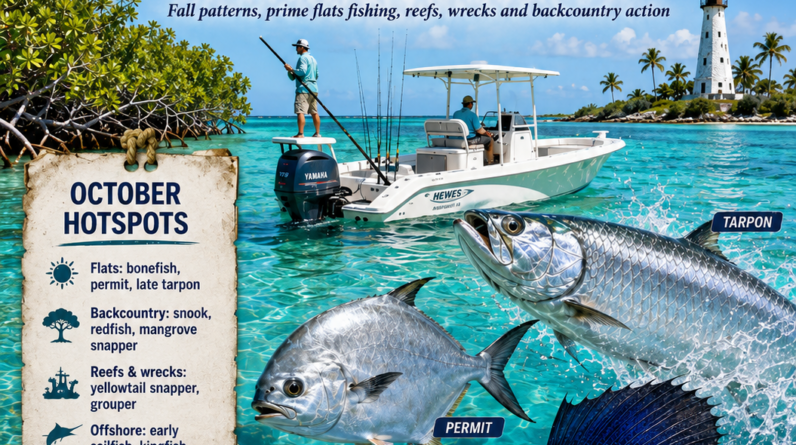
Backcountry fishing in the Florida Keys often takes place in shallow waters with numerous flats, mangrove shorelines, and small channels. Tidal currents can significantly impact backcountry fishing, as they influence water movement and the distribution of baitfish. Familiarizing yourself with the tidal patterns and preferred fishing times in backcountry areas allows you to target species such as bonefish, permit, and redfish more effectively.
Tide Considerations in Reef Fishing
Reef fishing in the Florida Keys is popular due to the rich diversity of fish species that inhabit the reefs. Tides can affect the availability and behavior of reef-dwelling fish. Fishing during the incoming tide can be advantageous, as it brings baitfish closer to the reefs, attracting predator species. Additionally, understanding the patterns of tidal currents and their impact on water movement around the reefs allows fishermen to position themselves strategically for optimal fishing opportunities.
Tide Considerations in Offshore Fishing
Offshore fishing in the Florida Keys requires careful consideration of tidal patterns and weather conditions. Tides can influence the movement of pelagic species such as sailfish, mahi-mahi, and tuna. Fishing during specific tidal windows when these species are more active can increase your chances of a successful offshore fishing experience. Additionally, understanding the interplay between tidal currents and other factors such as underwater structures and temperature gradients allows you to identify productive fishing areas in offshore waters.
Tips for Fishing in Different Tide Conditions
Fishing During Incoming Tide
During the incoming tide, baitfish and other prey are often pushed towards the shoreline. This can create feeding opportunities for predatory fish species. To take advantage of this, position yourself in areas where the tide is flowing towards you, such as points, jetties, or cuts. Cast your bait or lure to mimic the movement of the baitfish being carried by the tidal currents. By fishing strategically during the incoming tide, you can increase your chances of attracting and catching fish.
Fishing During Outgoing Tide
The outgoing tide provides an opportunity to target fish as they move away from the shoreline. Look for areas such as channels or inlets where the water is funneled out during the outgoing tide. These areas can act as natural feeding zones for fish waiting to ambush prey being carried by the tidal currents. Casting your bait or lure and retrieving it against the flow of the tide can resemble the movement of baitfish struggling against the current, enticing predatory fish to strike.
Fishing During Slack Tide
Slack tide refers to the period between high and low tides when the tidal currents are at their weakest. Fishing during slack tide can be challenging, as the reduced water movement can make it harder to attract the attention of fish. However, certain species may still be active during this time. Focus on areas with structure, such as reefs, wrecks, or bridge pilings, as these can provide spots of increased activity even during slack tide. Using live bait or scent-enhanced artificial lures can also help in enticing fish to bite during these slower periods.
Fishing During Tidal Changes
Tidal changes, particularly when the current transitions from incoming to outgoing or vice versa, can trigger increased feeding activity among fish. Fish may be more active during these periods as they adjust to the changing water movement and the availability of prey. Fishing during tidal changes can be productive, especially in areas where the tidal currents are concentrated, such as cuts, passes, or inlets. By timing your fishing trips to coincide with these tidal changes, you can increase your chances of encountering active and feeding fish.
Tide-Related Safety Precautions for Fishermen
Beware of Strong Tidal Currents
Strong tidal currents can pose a safety risk for fishermen. It is important to be aware of the strength and direction of the currents, particularly in narrow channels or areas influenced by the Gulf Stream. Tidal currents can cause unstable conditions, especially when combined with wind or other weather factors. Avoid venturing into unfamiliar areas with strong tidal currents and always prioritize your safety when fishing in the Florida Keys.
Check for Floating Debris
During periods of strong tidal currents or after storms, floating debris can be present in the waters of the Florida Keys. This debris, such as logs or branches, can pose navigational hazards and damage boats or equipment. Before embarking on a fishing trip, check for any notices or warnings about floating debris in the area. While on the water, remain vigilant and watch out for any floating objects that may pose a risk.
Pay Attention to Changing Water Levels
Tidal fluctuations can cause the water level to rise or fall rapidly, especially during spring tides or storm surge tides. Always pay attention to the changing water levels and be cautious when navigating shallow areas or structures that may become submerged or exposed due to tidal movements. It is advisable to stay updated with tidal forecasts and have a good understanding of the tidal patterns in your fishing location to mitigate any risks associated with changing water levels.
Be Prepared for Storm Surge Tides
The Florida Keys are prone to storm surge tides during tropical storms or hurricanes. It is crucial to monitor weather forecasts and heed any evacuation warnings issued by local authorities in such situations. Storm surge tides can cause significant flooding and dangerous conditions, making it essential to prioritize your safety and the safety of others. Always have a preparedness plan in place and follow the guidance of local officials to ensure your well-being during severe weather events.
Technology and Tools to Monitor Tides
Tide Apps and Websites
In today’s digital age, there are numerous tide apps and websites available to provide fishermen with up-to-date tide information. These platforms offer real-time data on tides, tidal currents, and other relevant information such as moon phases. Some popular tide apps and websites include Tide Chart, Tides Near Me, and NOAA Tides & Currents. By utilizing these technological tools, fishermen can conveniently access accurate tide information on their smartphones or computers.
Saltwater Fishing Apps
In addition to tide-specific apps, many saltwater fishing apps also provide tide information as part of their features. These apps often include other fishing-related functionalities such as weather forecasts, fishing spots, and catch logs. Some popular saltwater fishing apps with tide information capabilities are Fishbrain, Navionics, and Pro Angler. By using these comprehensive fishing apps, anglers can access tide information alongside other tools to enhance their fishing experience and improve their success.
Handheld Tide Gauges
For fishermen who prefer physical tools, handheld tide gauges can be valuable companions. These small devices allow you to measure current water levels and track the rise and fall of tide. Handheld tide gauges typically utilize measurements in relation to a fixed and known benchmark, allowing you to ascertain the tidal progress. Compact and easy to use, handheld tide gauges are handy tools to have on your fishing trips, especially in areas with limited or no internet connectivity.
Tide Clocks
Tide clocks are specialized timepieces that display the current state of the tide based on the lunar cycle. They feature hour and minute hands that indicate the approximate water level corresponding to high and low tides. Tide clocks are a decorative and functional addition to your fishing gear arsenal, providing a convenient visual reference for tide predictions. By glancing at the tide clock, you can quickly gauge the approximate stage of the tide before heading out for your fishing adventure.
Conclusion
Understanding the tides in the Florida Keys is essential for successful fishing and overall safety on the water. The moon’s influence, the sun’s impact, the shape of the islands, Gulf Stream currents, and weather conditions all play significant roles in shaping the tides. Different types of tides, such as high tides, low tides, spring tides, neap tides, and storm surge tides, have varying effects on fishing in the Florida Keys. By examining tidal patterns, interpreting tide tables, and utilizing technology and tools, fishermen can enhance their fishing strategies and increase their chances of a productive and enjoyable fishing experience. It is crucial to adapt to the specific tide conditions in different fishing locations, understand the preferences of target species, and adhere to tide-related safety precautions. With a comprehensive understanding of tides and their impact on fishing, anglers in the Florida Keys can maximize their opportunities and make the most of their time on the water.