

Table of Contents
Florida Keys Bonefish Fishing: Best Time, Where to Go and How to Catch Them
Florida Keys bonefish fishing is completely different from dropping bait on a reef or trolling offshore.
You are usually fishing shallow water.
Very shallow water.
Sometimes the fish is swimming through less than a foot of water.
You may spend more time looking than casting.
Then someone spots a gray shadow moving across a flat.
You get one chance.
That is bonefishing.
Bonefish are not famous because they are huge.
They are famous because they are difficult to approach, difficult to fool, and incredibly fast once hooked.
For anglers who enjoy sight fishing, light tackle, and shallow water, bonefish are one of the most rewarding Florida Keys fish species to target.
What Is a Bonefish?
Bonefish are sleek, silver fish built for speed.
They have:
- Long, streamlined bodies
- Deeply forked tails
- Silvery sides
- Greenish or bluish backs
- Excellent eyesight
FWC says Florida bonefish commonly average about 3 to 5 pounds, though fish over 10 pounds can occur. Bonefish can grow much larger, with Florida fish recorded well into the double digits. (myfwc.com)
A five-pound bonefish may not sound impressive if you have been thinking about 100-pound tarpon.
Hook one.
Then decide.
Why Are Bonefish So Popular?
Speed is the main reason.
Bonefish can make explosive runs once hooked.
You may finally fool a fish that took 20 minutes to approach.
The line comes tight.
Then the reel starts screaming.
That contrast between quiet stalking and sudden speed is what makes the fishing so addictive.
What Is the Best Time for Florida Keys Bonefish Fishing?
Bonefish can be caught throughout the year in the Florida Keys.
FWC says peak bonefish season is generally March through October. (myfwc.com)
The official Florida Keys sport-fishing calendar lists May through October as its main bonefish season. (visitfloridakeys.com)
Those ranges are not really contradictory.
Think of it this way:
Bonefish can be available year-round.
Warmer months generally receive more attention.
Spring through fall gives visiting anglers a strong planning window.
Can You Catch Bonefish in Winter?
Yes.
Bonefish do not vanish during winter.
But cold fronts can matter.
Shallow flats can cool quickly.
That may affect where bonefish are found and how active they are.
A warm winter afternoon after the water has had time to heat may fish differently from a chilly morning immediately after a front.
This is one reason local guides watch:
- Water temperature
- Sunlight
- Wind
- Tide
- Recent weather
If you are visiting in winter, ask a guide whether bonefish or another flats species makes the most sense during your dates.
Where Do Bonefish Live in the Florida Keys?
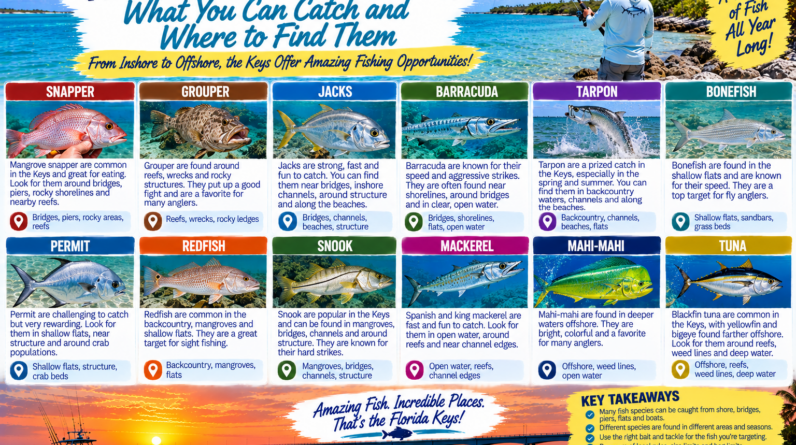
Bonefish are shallow-water fish.
FWC says they commonly inhabit water less than one foot deep over seagrass flats and white sand. (myfwc.com)
Possible bonefish habitat includes:
- Seagrass flats
- Sand flats
- Shallow bays
- Mangrove edges
- Channels beside flats
- Transitional areas between grass and sand
This is not deep-water fishing.
In some places, you may see a fish’s tail or back break the surface.
Why Are Flats So Good for Bonefish?
Shallow flats hold food.
Bonefish feed on small creatures such as:
- Shrimp
- Crabs
- Other small invertebrates
FWC notes that bonefish move through grass beds and sand flats looking for this type of prey. (myfwc.com)
The challenge is that shallow water also makes them vulnerable.
That is one reason they are so cautious.
Where Is the Best Bonefish Fishing in the Florida Keys?
Bonefish can be found in several parts of the Keys.
Historically, the Upper Keys, Islamorada, and Lower Keys have all been strongly associated with flats fishing.
Possible areas include:
- Key Largo
- Islamorada
- Marathon and the Middle Keys
- Big Pine and the Lower Keys
- Key West backcountry and flats
There is no single guaranteed bonefish flat.
Fish move with tides, temperature, bait, weather, and pressure.
That is where a good flats guide earns the money.
Islamorada Bonefish Fishing
Islamorada is one of the best-known flats-fishing destinations in the Keys.
Its Florida Bay side gives anglers access to:
- Flats
- Mangrove shorelines
- Channels
- Shallow backcountry water
Bonefish, permit, and tarpon are all associated with this style of fishing.
A guide may pole the boat quietly across shallow water while scanning for fish.
Read our Islamorada Fishing Guide if you are considering staying there.
Key Largo Bonefish Fishing
Key Largo also provides access to shallow Florida Bay and backcountry water.
That gives flats anglers opportunities without driving all the way down the Overseas Highway.
If you are combining a Keys trip with time in Miami or South Florida, Key Largo can be a convenient option.
See our Key Largo Fishing Guide.
Lower Keys Bonefish Fishing
The Lower Keys contain extensive shallow-water habitat.
This can be attractive for anglers who are more interested in:
- Bonefish
- Permit
- Tarpon
- Light tackle
- Fly fishing
than offshore trolling.
If the main purpose of your trip is flats fishing, do not automatically assume you need to stay in Key West.
The quieter Lower Keys may deserve a look too.
Key West Bonefish Fishing
Key West gives you access to flats and backcountry fishing while still offering a large vacation destination.
That can work well if one person in the group is serious about fishing and everyone else wants:
- Restaurants
- Bars
- Sightseeing
- Beaches
- Nightlife
You can fish the flats in the morning and still have plenty to do later.
Read our Key West Fishing Guide.
How Do You Catch Bonefish?
There are two basic ways many anglers target bonefish:
- Conventional tackle
- Fly fishing
Both often involve sight fishing.
The guide or angler looks for a fish first.
Then you cast to it.
This is very different from throwing bait out and waiting.
Sight Fishing for Bonefish
Sight fishing is one of the main attractions.
You are looking for subtle clues.
Possible signs include:
- Tails
- Wakes
- Shadows
- Mud clouds
- Nervous water
- Fish crossing a light sand patch
The fish may be nearly invisible over grass.
Then it swims over white sand and suddenly appears.
That is when you need to be ready.
Why Polarized Sunglasses Matter
Polarized sunglasses are one of the most useful pieces of bonefishing gear.
They reduce glare and help you see into the water.
That makes it easier to spot:
- Fish
- Rays
- Grass
- Sand patches
- Channels
- Bottom changes
If you are paying for a flats charter, bring good polarized glasses.
You want to be able to see what the guide is pointing at.
What Does a Guide Mean by “11 O’Clock”?
Flats guides often describe fish position like a clock.
Imagine the bow of the boat is 12 o’clock.
A fish at 11 o’clock is slightly left of straight ahead.
A guide may say:
“Bonefish at 11 o’clock, 50 feet.”
You need to quickly understand where to look and where to cast.
Learning that system before the trip can save valuable seconds.
Casting Accuracy Matters More Than Distance
A 90-foot cast is useless if it lands 20 feet behind the fish.
Bonefishing rewards accurate casting.
You may only need to cast:
- 30 feet
- 40 feet
- 50 feet
But it needs to land in the correct place.
Practice hitting targets rather than simply throwing as far as possible.
Do Not Cast Directly on Top of the Fish
Bonefish are nervous.
Drop a heavy lure directly on their heads and the fishing may end immediately.
A good cast usually puts the bait or fly where the fish can find it without being startled.
The exact distance depends on:
- Fish direction
- Water depth
- Wind
- Bait
- Current
- Fish mood
Listen to the guide.
What Bait Works for Florida Keys Bonefish?
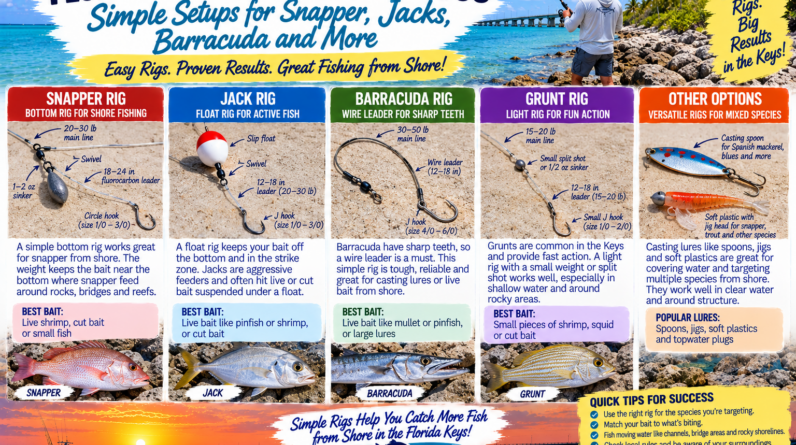
FWC identifies live shrimp and jigs tipped with fresh shrimp as productive conventional bonefish options. (myfwc.com)
Other presentations may imitate:
- Shrimp
- Small crabs
- Other bottom-dwelling prey
Bonefish spend much of their time searching the bottom for food.
Your presentation should look like something worth eating.
Is Live Shrimp Good for Bonefish?
Yes.
Live shrimp is one of the simplest choices for conventional anglers.
It is:
- Natural
- Widely available
- Familiar to bonefish
- Easy to rig
That makes it a useful option for someone who wants to try bonefishing without learning fly fishing first.
What Artificial Lures Work for Bonefish?
Small jigs and shrimp imitations can work.
Keep the presentation relatively subtle.
Bonefish are generally not the fish where you want to throw the loudest, largest lure in the tackle box.
Think small prey.
Think natural movement.
Think shallow water.
Fly Fishing for Bonefish
Bonefish are one of the world’s classic saltwater fly targets.
Fly fishing adds another layer of difficulty.
You need to:
- Spot the fish
- Make the cast
- Manage wind
- Present the fly correctly
- Strip at the right speed
- Set the hook properly
- Handle the first run
That is a lot to do in a few seconds.
But landing a bonefish on fly tackle can be a major accomplishment.
Do You Need to Be an Expert Fly Angler?
No.
But practicing beforehand helps enormously.
If you are booking a bonefish fly-fishing trip, spend time casting before vacation.
Practice:
- Quick casts
- Accuracy
- Casting into wind
- Different angles
- Picking up and recasting quickly
Do not make the boat ramp the first place you touch your fly rod in six months.
What Tackle Do You Need for Bonefish?
For conventional fishing, relatively light spinning tackle is commonly used.
Your guide may provide all equipment.
A typical setup may include:
- Light or medium-light spinning rod
- Quality spinning reel
- Braided or monofilament main line
- Fluorocarbon leader
- Small hook or jig
Fly tackle will depend on conditions and guide preference.
The big requirement is a reel with a smooth drag.
Bonefish run.
Why Is a Smooth Drag So Important?
Bonefish can accelerate very quickly.
A sticky drag can cause:
- Broken leader
- Pulled hook
- Lost fish
Once the fish runs, let the reel do its job.
Trying to physically stop a strong bonefish is usually not the answer.
How Fast Are Bonefish?
Fast enough to make a light spinning reel sound much more expensive than it did at the tackle shop.
Their deeply forked tails are built for speed.
FWC specifically notes that their body shape and tail give them power for chasing prey across grass beds. (myfwc.com)
The first run is one of the reasons people become obsessed with them.
Does Tide Matter for Bonefish?
Yes.
Tide can completely change a flat.
Incoming water may allow fish to move into areas that were too shallow before.
Outgoing water may push them toward:
- Channels
- Edges
- Deeper flats
- Drop-offs
A location that looks empty at one tide may hold feeding fish a few hours later.
Guides often build the entire fishing day around tide movement.
Incoming Tide for Bonefish
An incoming tide can bring water onto shallow flats.
Fish may follow.
That can create opportunities to target bonefish as they move into newly flooded areas looking for food.
The key word is movement.
Fish often respond to changing water rather than simply high tide itself.
Outgoing Tide for Bonefish
As the tide falls, bonefish may move away from extremely shallow water.
That can concentrate them along:
- Channels
- Edges
- Drop-offs
- Deeper sections of flats
This can make their movement more predictable.
Again, local knowledge matters.
Wind Can Help and Hurt
Strong wind makes casting harder.
It also creates chop and can make spotting fish more difficult.
But perfectly calm water is not always ideal either.
Bonefish may become extremely nervous when the surface is glassy.
A little wind can:
- Break up the surface
- Reduce fish visibility
- Hide some boat noise
The best conditions involve a balance.
Sunlight Helps You See Fish
High sun can make sight fishing easier.
Light penetrates the water and improves visibility.
Clouds can make fish much harder to spot.
This is one reason a bright midday period may sometimes be better for sight fishing than the traditional early-morning fishing window.
You cannot control the clouds.
But you can understand why the guide seems happier when the sun comes out.
Are Bonefish Good for Beginners?
Yes, with the right expectations.
A beginner can absolutely catch one with a guide.
But this is not always high-action fishing.
You may spend hours:
- Looking
- Poling
- Waiting
- Making a few casts
If you want constant bites, reef snapper fishing may be a better first experience.
If you enjoy hunting for one special fish, bonefishing may be perfect.
Bonefish vs. Tarpon
These are very different trips.
Tarpon fishing may involve:
- Much larger fish
- Heavier tackle
- Bridges and channels
- Long fights
- Dramatic jumps
Bonefishing involves:
- Shallow flats
- Light tackle
- Sight fishing
- Stealth
- Precision casting
Both can be difficult.
Just in different ways.
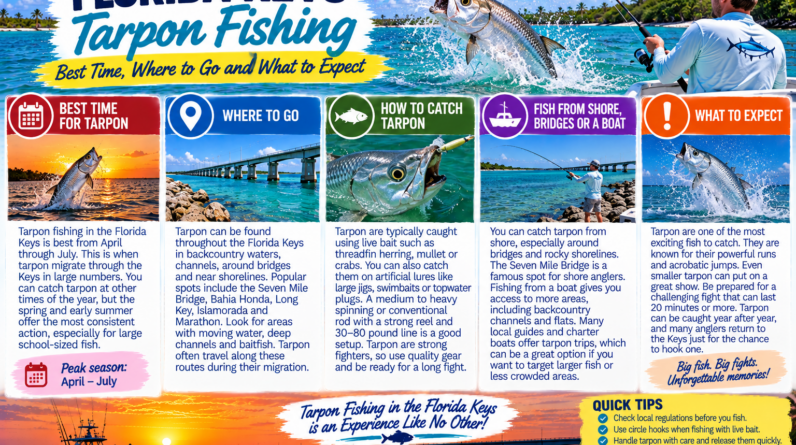
Read our Florida Keys Tarpon Fishing guide if you are deciding between the two.
Bonefish vs. Permit
Bonefish and permit often share flats habitat.
Permit are generally viewed as one of the more difficult fish to catch.
Bonefish may provide more opportunities depending on the conditions and area.
Many flats anglers want both.
Add tarpon and you have the famous flats-fishing combination known as a grand slam.
What Is a Florida Keys Grand Slam?
A traditional flats grand slam means catching:
- Tarpon
- Bonefish
- Permit
during the same day.
That is not easy.
Even catching one of the three can make a good trip.
Catching all three is something an angler may remember forever.
Do not book your first flats charter and assume a grand slam is normal.
It is not.
Can You Catch Bonefish From Shore?
Yes, in some areas.
If legal public access puts you near a productive flat, you may be able to catch bonefish without a boat.
The challenge is access.
Much of the shoreline in the Keys is:
- Private
- Protected
- Developed
- Difficult to reach
And some flats are simply too far from legal public access.
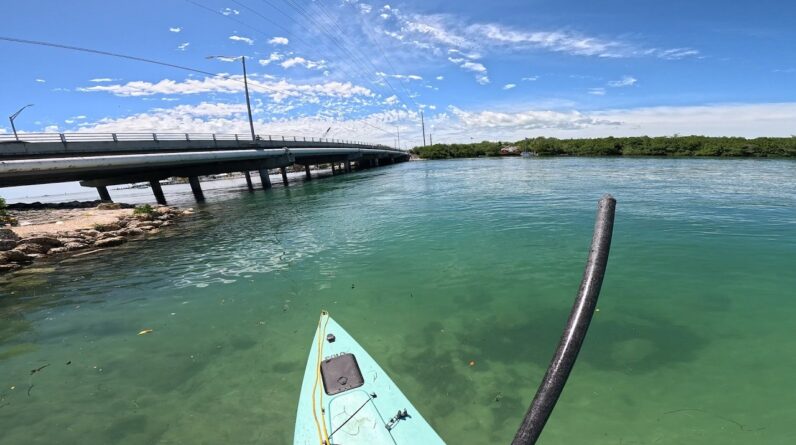
Can You Catch Bonefish While Wading?
Yes.
Wading can be an excellent way to target bonefish where legal access exists.
You can move slowly across shallow water and sight fish.
The advantage is stealth.
The disadvantage is that you cannot cover nearly as much water as a skiff.
You also need to think about:
- Stingrays
- Soft bottom
- Holes
- Current
- Tides
- Heat
Read our Florida Keys Wading Fishing guide before trying it.
Are Bonefish Catch and Release?
Yes.
Florida bonefish are catch-and-release only.
FWC made bonefish a statewide catch-and-release species in 2013. (myfwc.com)
You are not fishing for dinner.
The fish goes back.
Can You Take a Bonefish Out of the Water?
FWC regulations allow temporary possession at the site of capture for photographing, measuring, and weighing, but bonefish remain a catch-and-release-only species. (myfwc.com)
Keep handling time short.
Wet your hands before touching the fish.
Support it carefully.
Get the photo.
Release it.
How Should You Handle a Bonefish?
Treat them carefully.
Good practices include:
- Keep handling to a minimum
- Wet your hands
- Support the fish horizontally
- Do not squeeze it
- Avoid touching the gills
- Remove the hook quickly
- Revive the fish if needed
- Release it as soon as possible
The photo should not be more important than the fish.
Watch for Sharks
Sharks can be a serious issue on shallow flats.
A tired bonefish can become vulnerable during release.
If sharks begin following hooked fish, changing locations can be the better choice.
Landing another bonefish is not worth feeding it to a predator.
A New Biscayne National Park Bonefish Closure Matters
There is a current rule worth knowing if you fish north of the Keys in Biscayne National Park.
Beginning March 1, 2026, FWC established a 1.74-square-mile seasonal closed area east of Elliott Key to protect a documented bonefish pre-spawning aggregation.
All fishing is prohibited inside that area from March 1 through May 31 each year. Fish and fishing gear may only be transported through it while in continuous transit and properly stowed. (myfwc.com)
That closure is in Biscayne National Park rather than the Florida Keys proper, but visiting anglers fishing the broader South Florida region should know about it.
Why Was the Bonefish Area Closed?
FWC says the area protects a scientifically documented pre-spawning aggregation.
The closure is intended to reduce catch-and-release mortality and disturbance before spawning. (myfwc.com)
The rule took effect for the 2026 season and currently includes a five-year sunset provision for evaluation.
Do You Need a Fishing License for Bonefish?
Yes, unless an exemption applies.
Because bonefish fishing is catch and release does not mean licensing requirements disappear.
Trying to catch the fish still counts as fishing.
If you are aboard a properly licensed charter, the charter license generally covers customers.
If you fish independently from shore, kayak, or your own boat, you may need your own Florida saltwater fishing license.
Should You Book a Bonefish Guide?
If bonefish are a major goal, hiring a flats guide is one of the best ways to improve your odds.
A good guide brings:
- Local knowledge
- A shallow-water skiff
- Tide knowledge
- Fish-spotting experience
- Proper tackle
- Casting advice
- Access to more flats
More importantly, guides know where fish have been seen recently.
That information can matter more than anything you found online three months earlier.
What Kind of Boat Is Used for Bonefishing?
Flats guides commonly use shallow-draft skiffs.
These boats are designed to move through very shallow water.
The guide may stand on a raised platform at the back and use a long pole to quietly move the boat.
There is no trolling motor buzzing.
No giant engines running beside the fish.
Stealth matters.
Half-Day or Full-Day Bonefish Charter?
A half day can work.
But bonefish fishing can involve searching.
More time gives you:
- More tide stages
- More locations
- More opportunities
- More flexibility if weather changes
If catching a bonefish is a bucket-list goal, a full-day trip may make sense.
If you simply want to try flats fishing during a family vacation, a half day may be enough.
What Should You Bring on a Bonefish Charter?
The captain usually provides fishing equipment.
You should bring:
- Polarized sunglasses
- Hat
- Sunscreen
- Lightweight sun-protective clothing
- Water
- Camera or phone
- Shoes recommended by the captain
Ask about footwear before showing up.
Some skiff captains have preferences about dark soles, heavy shoes, or going barefoot.
Practice Casting Before You Go
This is one of the easiest ways to get more value from a bonefish charter.
You do not need to become an expert.
Practice putting a bait or fly near a target quickly.
Set out a bucket or plate in the yard.
Cast to it.
Then move it.
Try again.
A guide can find the fish.
The guide cannot make the cast for you.
Do Not Expect Hundreds of Casts
Bonefishing is hunting.
You may get:
- Ten shots
- Five shots
- Two good shots
Some days more.
Some days fewer.
That is why each opportunity matters.
If your idea of good fishing requires constant bites, choose another trip.
If seeing one fish, making one good cast, and hearing the drag scream sounds exciting, you will understand bonefishing.
Is Florida Keys Bonefish Fishing Worth It?
For the right angler, yes.
It is not about filling a cooler.
It is not usually about catching dozens of fish.
It is about spotting a fish in clear shallow water, making the right cast, getting it to eat, and surviving the first run.
Bonefish make you work for the bite.
That is exactly why catching one feels so good.
Plan Your Florida Keys Bonefish Fishing Trip
Start with the Florida Keys Fishing Calendar if you can choose your travel dates.
For broader species planning, use our Florida Keys Fish Species guide.
If you plan to fish the flats on foot, read Florida Keys Wading Fishing.
And if you want to compare bonefish with another signature Keys game fish, read our Florida Keys Tarpon Fishing guide.
For current rules and conservation information, check the FWC bonefish page.