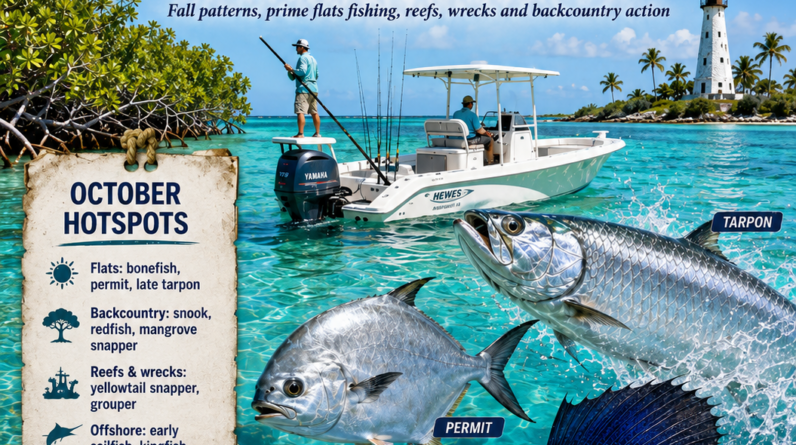


Picture yourself on the crystal-clear waters of the Florida Keys, casting your line into the vast ocean, eagerly awaiting your next big catch. But, do you ever wonder how the weather affects your chances of reeling in that prized fish? In this article, we’ll explore the fascinating relationship between weather conditions and fishing in the Keys. Whether you’re a seasoned angler or a beginner, understanding how changes in weather can impact your fishing experience will give you an edge like never before. From sunny skies to turbulent storms, discover how to harness the power of Mother Nature to maximize your chances of a successful day on the water.
Table of Contents
Wind
Effects of Wind on Fishing
When it comes to fishing in the Florida Keys, wind can have a significant impact on your overall fishing experience. Wind not only influences the behavior of the fish, but it can also affect your ability to cast your line and control your boat. Strong winds can create rough water conditions, making it challenging to navigate and maintain your balance. Additionally, wind can stir up the water, which can disorient the fish and make them less likely to bite. On the other hand, a gentle breeze can create ripples on the water’s surface, which can attract fish by providing cover and causing food to gather in certain areas.
Impact of Wind Direction
The direction of the wind is another crucial factor to consider when fishing in the Keys. Different wind directions can have varying effects on fish behavior and feeding patterns. For example, an onshore wind, which blows from the water toward the land, can push baitfish and other food sources closer to the shoreline, making it an ideal spot for casting your line. Conversely, an offshore wind, which blows from the land toward the water, can push baitfish and feeding grounds farther out to sea, requiring you to adjust your fishing strategy accordingly.
Best Fishing Techniques in Windy Conditions
Fishing in windy conditions requires a bit of adaptability and finesse. To increase your chances of success, consider using heavier lures or bait that can better withstand the wind and cast farther. You can also try fishing closer to structures such as docks, bridges, or mangroves, as these can provide some protection from the wind. Another effective technique is to position your boat parallel to the wind direction, which will allow for better boat control and provide a more natural presentation of your bait or lure.
Safety Precautions for Fishing in High Winds
It’s essential to prioritize safety when fishing in high winds. make sure to check the weather forecast before heading out and avoid fishing in extreme wind conditions that could pose a risk to your safety. When fishing in windy conditions, always wear a life jacket and ensure that all passengers on your boat do the same. Remember to keep a firm grip on your fishing rod and be cautious when casting to avoid losing control of your gear. If the winds become too strong, consider seeking shelter or moving to a more protected area to wait for the conditions to improve.
Tides
Understanding the Influence of Tides on Fishing
In the Florida Keys, tides play a significant role in fish behavior and overall fishing success. Tides are the rise and fall of sea levels caused by the gravitational forces of the moon and the sun. Understanding how tides impact fishing can help you strategically plan your fishing trips and increase your chances of landing a big catch.
Different Types of Tides and Their Effects
There are typically two high and two low tides per day in the Florida Keys. Understanding the different types of tides and their effects is crucial for successful fishing. During high tides, fish are more likely to move closer to the shoreline, as the rising water brings in new food sources. This presents a great opportunity for shore fishing or targeting species that prefer shallow water. On the other hand, low tides expose areas that are typically underwater, such as flats or channels, making it easier to spot fish and target certain species.
Strategies for Fishing During High and Low Tides
When fishing during high tides, focus on areas that provide cover or structure, such as mangroves, bridges, or docks. These areas act as ambush points for fish seeking refuge and feeding opportunities. During low tides, target areas with deeper water, such as channels or drop-offs, as fish tend to seek deeper waters to avoid being stranded in shallow areas. It’s also essential to be mindful of the tide direction and plan your fishing spots accordingly, as fish often position themselves to face the current and wait for food to come to them.
Using Tide Charts to Plan Fishing Trips
Utilizing tide charts can significantly enhance your fishing experience in the Florida Keys. Tide charts provide valuable information about the timing and height of the tides for a specific location. By studying a tide chart, you can determine the best times to fish based on the stage of the tide. For example, an incoming tide, also known as a flood tide, can bring in fresh baitfish and trigger feeding activity among predatory fish. When planning your fishing trip, aim to arrive at your desired fishing location around the time of the high or low tide for optimal fishing opportunities.

Temperature
Effects of Temperature on Fish Behavior
The temperature of the water has a profound impact on fish behavior and their feeding patterns. In the Florida Keys, where the water temperature remains relatively warm throughout the year, understanding the effects of temperature can help you target specific species and increase your chances of a successful fishing trip.
Optimal Temperature Ranges for Different Species
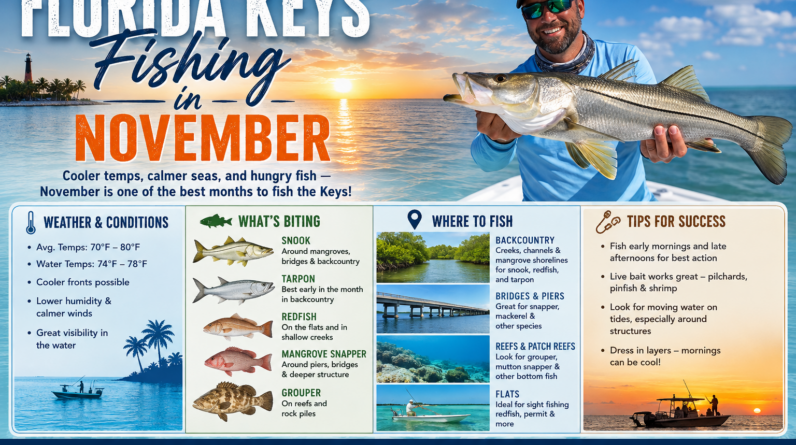
Different fish species have preferred temperature ranges in which they thrive and exhibit the most active feeding behavior. For example, some species, like tarpon and bonefish, prefer warmer water temperatures ranging from 75°F to 85°F. On the other hand, species like snook and redfish are comfortable in a slightly cooler range around 65°F to 75°F. By targeting species that are most active and responsive within the current water temperature, you can maximize your chances of landing a catch.
Adapting Fishing Techniques to Temperature Changes
As water temperatures change throughout the day or during different seasons, it’s crucial to adapt your fishing techniques accordingly. In cooler water temperatures, fish tend to be less active and may require a slower presentation of bait or lure. Conversely, in warmer water temperatures, fish are more likely to be active and aggressive and may respond better to faster retrieves or more aggressive bait presentations. Adjusting your fishing techniques to match the desired speed and action that the fish prefer can greatly increase your chances of enticing a strike.
Seeking Sheltered Areas in Extreme Temperatures
In extreme temperature conditions, such as during the hot summer months in the Florida Keys, fish may seek shelter and cooler areas to conserve energy. Look for areas with shade or structure, such as mangroves, bridges, or deeper channels. These areas provide relief from the heat for fish and can be highly productive fishing spots during extreme temperature conditions. It’s also crucial to stay hydrated and protect yourself from the sun’s harmful rays by wearing appropriate clothing, sunscreen, and a hat during these hot fishing days.
Rain
Impact of Rainfall on Fishing
Rainfall can have both positive and negative impacts on fishing in the Florida Keys. Depending on the intensity and duration of the rain, fishing conditions can change dramatically. Rain can stimulate feeding activity among fish by washing nutrients and smaller organisms into the water. It can also create an increased flow in rivers and tributaries, attracting fish to these areas. However, heavy rainfall can also increase water turbidity and lower oxygen levels, which can make fishing more challenging.
Fishing Opportunities After Rain
After a rainfall event, fishing opportunities can often improve as fish become more active and responsive to bait or lures. The rain can disorient baitfish, making them more vulnerable to predation and increasing the chances of larger fish being in the area. Look for areas where rain runoff enters the water, as this can create a concentrated food source and attract a variety of fish species. Additionally, fishing in the immediate aftermath of rain can provide excellent topwater action, as raindrops mimic insects falling into the water and trigger an aggressive feeding response from fish.
Modifying Bait and Lure Selection in Wet Conditions
When fishing in wet conditions, it’s essential to modify your bait and lure selection to entice strikes from fish. In murky or turbid water, brightly colored lures or lures with additional noise or vibration can increase visibility and attract fish. Conversely, in clear or calm water, subtle and natural-looking baits and lures are often more effective. It’s also crucial to adjust your retrieval speed and technique based on the water conditions. Experiment with different types of bait or lures to determine what works best for the specific fish species you’re targeting and the prevailing weather conditions.
Safety Tips for Fishing in the Rain
Fishing in the rain can be a rewarding experience, but it’s crucial to take appropriate safety precautions. Ensure that you have proper rain gear, including a waterproof jacket and pants, to keep yourself dry and comfortable. Pay attention to the weather forecast and avoid fishing in severe weather conditions such as thunderstorms or lightning. If you hear thunder or see lightning, seek shelter immediately and wait for the storm to pass before resuming fishing. Always prioritize your safety and the safety of others when fishing in wet conditions.

Sunlight
The Role of Sunlight in Fishing
Sunlight plays a crucial role in fishing, as it influences fish behavior and directly affects their ability to see and detect bait or lures. Understanding how sunlight penetrates the water and the best times to fish based on sunlight conditions can greatly improve your chances of success in the Florida Keys.
Understanding Light Penetration in Different Conditions
In clear water, sunlight can penetrate deeper and provide better visibility for both fish and anglers. This means that fish may be more cautious and easily spooked in clear, sunny conditions. On the other hand, in murky or stained water, sunlight penetration is reduced, and fish rely more on their other senses, such as their lateral line and sense of smell. In such conditions, fish may be more aggressive and less cautious, making it a great time for topwater fishing or using lures that create vibrations or noise.
Best Times of Day for Fishing Based on Sunlight
The best times of day for fishing in relation to sunlight are during the early morning or late afternoon. These periods, commonly known as the “golden hours,” offer optimal lighting conditions as the angle of the sun is lower, casting longer shadows and reducing glare on the water’s surface. During these times, fish are more likely to venture out of their hiding spots and actively feed. Additionally, estuary and backcountry fishing can be particularly productive during low-light conditions, such as dawn or dusk, when fish are more active and less wary.
Using Shadows and Glare to Your Advantage
Shadows and glare on the water’s surface can work to your advantage when fishing in the Florida Keys. Shadows created by natural structures, such as mangroves or bridges, provide cover and make fish feel more secure, increasing the chances of a successful catch. Cast your bait or lure close to these shadow lines and be prepared for a strike. Conversely, when fishing in bright, sunny conditions with minimal cloud cover, the sunlight can create glare on the water’s surface, making it more difficult for fish to see your bait or lure. By standing in a position where your shadow falls over the area you’re targeting, you can reduce glare and increase your chances of enticing a strike.
Barometric Pressure
Effects of Barometric Pressure on Fish Feeding
Barometric pressure, also known as atmospheric pressure, can have a significant influence on fish feeding patterns and behavior. Changes in barometric pressure can trigger fish to become more or less active, affecting their willingness to bite. Understanding these pressure changes and how they impact fishing can help you plan your fishing trips more effectively.
Understanding High and Low Barometric Pressure Systems
High and low-pressure systems refer to areas of the atmosphere with differing pressure levels. High-pressure systems, often associated with clear skies and sunny weather, result in higher barometric pressure. In contrast, low-pressure systems, typically associated with cloudy or stormy weather, result in lower barometric pressure. Fish tend to be more active and responsive during low-pressure systems, as the decrease in pressure makes them more comfortable and stimulates their feeding behavior.
Adapting Fishing Techniques to Pressure Changes
When fishing during high-pressure systems, fish may become less active and more selective in their feeding. In these conditions, opt for more subtle and natural bait presentations, such as live bait or smaller, natural-colored lures. Conversely, during low-pressure systems, fish tend to be more aggressive in their feeding behavior. This is the time to experiment with larger or more vibrant lures and more aggressive retrieval techniques to entice strikes. Be observant and adaptable to the changing pressure conditions and adjust your fishing techniques accordingly.
Predicting Fish Activity with Barometric Pressure Changes
By monitoring barometric pressure changes over time, you can begin to predict fish activity patterns and plan your fishing trips accordingly. Keep a log of your fishing trips, noting the barometric pressure and fish activity levels. Over time, you may start to see patterns emerge, indicating the preferred pressure range for different fish species. By aligning your fishing trips with these pressure patterns, you can increase your chances of consistent success and maximize your time on the water.
Cloud Cover
Influence of Cloud Cover on Fishing Success
Cloud cover can significantly influence fishing success in the Florida Keys. Clouds can impact fish behavior by altering light conditions and water temperature. Understanding the effects of different levels of cloud cover can help you determine the most effective fishing strategies to use.
Effects of Different Levels of Cloud Cover
Different levels of cloud cover can have varying effects on fish behavior. On bright, sunny days with no clouds, fish are often more cautious and less likely to venture out of their hiding spots. Conversely, on overcast or cloudy days, fish tend to become more active and aggressive in their feeding behavior. Partial cloud cover can create more subtle lighting conditions, making fish less wary and increasing their willingness to bite. It’s essential to pay attention to the cloud cover and adjust your fishing techniques accordingly to maximize your chances of success.
Choosing the Right Lure Colors in Cloudy Conditions
When fishing under cloudy conditions, choosing the right lure colors can make a significant difference in your catch rate. In darker or overcast conditions, fish may have a harder time seeing lures with natural or subtle color patterns. Instead, opt for lures with brighter colors that can stand out better in the water. Chartreuse, orange, and white-colored lures are often effective choices in cloudy conditions. Additionally, lures with a reflective or holographic finish can mimic the flash of prey fish and increase your chances of enticing a strike.
Spotting Fish Behavior Based on Clouds
Clouds can also provide hints about fish behavior and help you locate feeding zones. Look for “nervous water,” which appears as small patches of disturbed or rippling water on the surface. These areas often indicate the presence of feeding fish and can be identified more easily under cloudy conditions. Pay attention to any changes in fish behavior or feeding activity when clouds move in or out, as these transitions can trigger bursts of feeding and provide excellent fishing opportunities.
Moon Phase
Impact of Moon Phase on Fish Behavior
The moon phase has a significant influence on fish behavior, particularly in coastal areas like the Florida Keys. Different moon phases can affect fish activity, feeding patterns, and overall fishing success. Understanding how moon phase influences fish behavior can greatly improve your chances of landing a catch.
Fishing Strategies for Different Moon Phases
The New Moon and Full Moon phases are often regarded as prime fishing times due to their influence on fish behavior. During the New Moon phase, when the moon is not visible or only a small sliver, fish tend to be more active and aggressive. This is a great time for night fishing or targeting fish that are more active in low-light conditions. Conversely, during the Full Moon phase, fish tend to be more active during the night, feeding heavily in well-lit areas. Adjust your fishing strategy accordingly by fishing during dawn or dusk, which still offers some low-light conditions, or by targeting species that are more responsive to feeding during the day.
Night Fishing Techniques Based on Moon Illumination
Night fishing in the Florida Keys can be particularly productive, especially when there is significant moon illumination. The moon’s reflection on the water can attract baitfish and other prey species, drawing in larger predatory fish. Utilize lures or baits that create vibrations or noise to compensate for reduced visibility in low-light conditions. Glow-in-the-dark or luminescent lures can also be effective in attracting fish and increasing your chances of a strike. Look for well-lit areas under moonlight, such as bridges, channel markers, or areas with strong artificial lighting, as these areas can concentrate fish and provide excellent night fishing opportunities.
Using Tidal Movements in Relation to Moon Phase
Tidal movements and moon phase are closely related in coastal areas. The gravitational pull of the moon influences the height and timing of tides. When planning your fishing trips, consider how tidal movements align with the moon phase. For example, during the first and third quarters of the moon, when the gravitational pull is less significant, subtler tidal movements can occur. This can be an excellent time for targeting areas with slower-moving water, such as deeper channels or productive flats. Conversely, during the Full Moon and New Moon phases, when the moon’s gravitational pull is stronger, tidal movements are more pronounced. Fishing around areas with faster-moving water, such as inlets or passes, can be highly productive during these phases.
Water Clarity
Importance of Water Clarity in Fishing
Water clarity plays a crucial role in fishing success in the Florida Keys. Clear water allows fish to see bait or lures more easily, while murky or stained water can make it more challenging to attract fish. Understanding the importance of water clarity and how to adapt your fishing techniques can significantly improve your chances of landing a catch.
Impact of Clarity on Fish Feeding Patterns
In clear water conditions, fish have a better view of their surroundings and can easily detect predators or potential prey. This can make fish more cautious and less likely to bite if they sense anything suspicious. On the other hand, in murky or stained water, fish rely more on their lateral line, a sensory organ that detects vibrations in the water. In these conditions, fish tend to be less cautious and can be more aggressive in their feeding behavior. Adjusting your fishing techniques, lure selection, and presentation based on water clarity can greatly increase your catch rate.
Adapting Baits and Lures to Water Clarity
When fishing in clear water, it’s important to use baits or lures that closely mimic the natural prey of the fish you’re targeting. Choose lures with natural colors and realistic swimming actions, as fish in clear water are more likely to scrutinize the offering. In murky or stained water, opt for lures with brighter colors or additional noise or vibration to increase visibility and attract fish. Experiment with different bait and lure combinations to determine what works best in specific water clarity conditions and for the target species.
Finding Fish in Different Clarity Conditions
In clear water conditions, fish tend to be more actively swimming and less concealed. Look for signs of fish, such as wakes, tails breaking the water’s surface, or flickering baitfish. Observe any changes in water color, as this can indicate areas of submerged structure or potential fish-holding spots. In murky or stained water, focus on areas with structures or cover, such as mangroves, docks, or shoreline vegetation. These areas provide fish with a sense of security and access to potential food sources. By adjusting your fish-finding tactics based on water clarity conditions, you can increase your chances of locating and landing a catch.
Storms
Dealing with Storms While Fishing
Storms can pose significant risks to anglers, and safety should always be the top priority. When fishing in the Florida Keys, it’s essential to be prepared and aware of how to handle storms to ensure your safety and the safety of others on the water.
Safety Measures during Thunderstorms and Lightning
When thunderstorms approach, it’s crucial to take immediate action to ensure your safety. Seek shelter in a sturdy building or a boat equipped with a proper lightning protection system. If caught on the water with no available shelter, head back to the mainland or to a safe harbor as soon as possible. Do not attempt to outrun a storm or remain in an exposed area. If you are unable to reach shelter, crouch down low, avoiding tall objects, and make yourself as small as possible. Never hold fishing rods or other conductive materials during a thunderstorm, as they can attract lightning.
Best Time to Resume Fishing After a Storm
After a storm passes, it’s essential to assess the conditions before resuming fishing. Look for signs of improving weather, such as clearing skies or diminishing winds. Be cautious of residual storm-related hazards, such as floating debris or submerged obstacles. Allow sufficient time for the water to calm and any associated currents to subside. Once the conditions are deemed safe, use caution and make informed decisions when venturing back onto the water.
Changes in Fish Behavior After Storm Fronts
Storm fronts can cause significant changes in fish behavior, both during and after a storm. Prior to a storm, fish often become more active and feed more aggressively. As the storm approaches, fish may seek deeper water or take cover near structures. After a storm passes, fish can be disoriented and may take some time to resume normal feeding patterns. Cast your bait or lure near structures or areas with increased current flow, as these can serve as gathering points for disoriented fish. Be patient, as it may take some time for fish to return to their usual behaviors following a storm front.
Fishing in the Florida Keys offers a diverse and exciting experience, with various weather conditions impacting fish behavior and feeding patterns. By understanding the effects of wind, tides, temperature, rain, sunlight, barometric pressure, cloud cover, moon phase, water clarity, and storms, you can adapt your fishing techniques, plan your trips strategically, and increase your chances of a successful day on the water. Remember to prioritize safety at all times and respect the natural environment to make the most of your fishing adventures in the Florida Keys.