

Ready to reel in some big catches without the need for a boat? Look no further than “Shoreline Fishing: Tips and Tricks for Boatless Anglers.” This article is your ultimate guide to mastering the art of fishing from the shore or a pier. Whether you’re a seasoned angler or just starting out, you’ll discover the best spots and techniques to maximize your chances of success. From bait selection to casting techniques, we’ve got you covered. So grab your fishing rod, put on your lucky hat, and get ready to embark on an exciting fishing adventure right from the shore.

Table of Contents
Choosing the Right Spot
When it comes to shoreline fishing, choosing the right spot is crucial to your success. Understanding fish habitats is the first step in finding the best fishing spots. Different species of fish prefer different environments, so it’s important to know where they like to hang out.
Researching fishing spots is another important aspect of selecting the right location. The internet is a great resource for finding information about local fishing spots. Look for reviews, fishing reports, and recommendations from other anglers to get an idea of where the fish are biting.
Identifying structure and cover is another key factor in choosing the right spot. Fish often seek shelter and food near underwater structures like rocks, fallen trees, weed beds, and submerged vegetation. Look for areas with these features, as they are likely to attract fish.
Selecting the Right Tackle
Having the right tackle can make a huge difference in your fishing success. Matching the lure to the species you’re targeting is essential. Different fish have different feeding habits and preferences when it comes to bait. Research what types of bait or lures are most effective for the fish you’re hoping to catch.
Using lightweight and versatile rods is another important consideration. A lightweight rod allows for greater sensitivity and control, making it easier to detect nibbles and set the hook. Versatility is also key, as it allows you to adapt to different fishing conditions and techniques.
When it comes to fishing line, you have a choice between braided and monofilament options. Braided line is stronger and more durable, making it a good choice for fighting against larger fish and fishing in heavy cover. Monofilament line is more stretchable, providing some forgiveness when reeling in fish and reducing the risk of line breakage.
Choosing the right hooks is also crucial. Different hooks are designed for different types of bait and fishing techniques. Research the recommendations for the specific fish species you’re targeting to ensure you have the right hooks for the job.
Mastering Casting Techniques
Mastering casting techniques is a fundamental skill for any angler. Practicing proper casting form is essential for accuracy and distance. Start by holding the rod with a relaxed grip and using your forearm and wrist to generate power. Avoid using too much force, as it can lead to inaccurate casts.
Casting with accuracy takes practice. Aim for specific targets, such as a patch of lily pads or a fallen log. Focus on your target and use your forearm and wrist to direct the cast. With practice, you’ll be able to consistently hit your desired spot.
Utilizing different casting styles can also be beneficial. Overhead casting is the most common technique and provides good distance and accuracy. Sidearm casting can help you cast under low-hanging vegetation or obstacles. And a roll cast is useful when there isn’t enough room for a traditional backcast.
Dealing with wind and current is another skill to master. Casting against the wind requires adjusting your casting angle and using more force. Casting with the wind can provide extra distance, but you may need to adjust your aim. Understanding how wind and current affect your casts will help you adapt to different conditions and improve your overall fishing success.
Understanding Fish Behavior
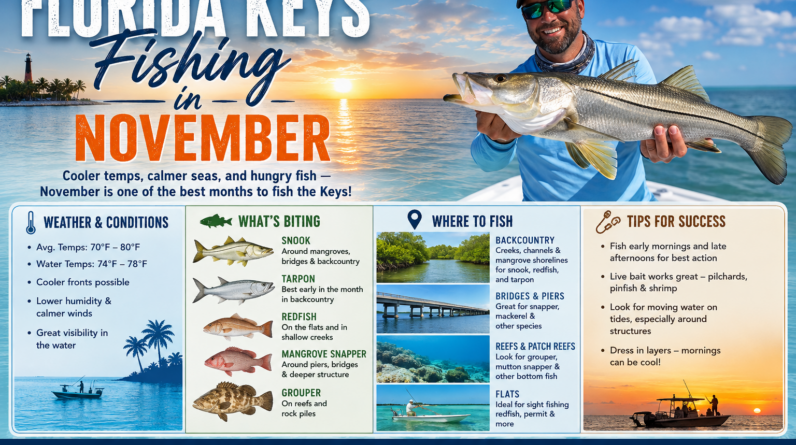
To become a successful angler, it’s important to understand fish behavior. Learning their feeding habits is key to determining when and where they are most likely to bite. Some fish are more active during certain times of the day, while others feed more at night. Research the feeding habits of your target species to maximize your chances of success.
Identifying the best time to fish is another important consideration. While fish can be caught at any time, there are certain times of the day when they are more active and likely to bite. Early morning and late afternoon are often prime times for fishing, as fish are usually more active during these periods. However, fish behavior can vary depending on the species and environmental factors, so it’s important to do your research.
Recognizing spawning seasons is essential for ethical angling and species conservation. During spawning seasons, fish are more vulnerable and can easily be overfished. Make sure to educate yourself about the spawning seasons of the fish you’re targeting and consider practicing catch and release during these periods to help preserve fish populations.
Observing environmental factors is also crucial. Factors such as water temperature, weather conditions, and water clarity can all impact fish behavior. For example, some species prefer warmer water, while others thrive in colder temperatures. Paying attention to these factors will help you adapt your fishing techniques accordingly and increase your chances of success.

Using Live Bait and Artificial Lures
Using the right bait can greatly increase your chances of catching fish. When it comes to live bait, selecting the right type is crucial. Different fish species have different preferences, so research what bait is most effective for your target species. Common live baits include worms, minnows, crickets, and shrimp.
Properly rigging live baits is also important. You need to present the bait in a way that looks natural and enticing to the fish. Experiment with different rigging techniques to find what works best for your target species.
Artificial lures are another popular option for shoreline fishing. There are countless types of lures available, each designed to imitate a specific type of prey. Research what lures are most effective for the fish you’re targeting and practice different retrieval techniques to mimic natural movements.
Mastering the Techniques
There is a wide range of fishing techniques that can be employed when shoreline fishing. Mastering these techniques will increase your versatility and overall success. Here are a few techniques to consider:
Bottom fishing: This technique involves casting your bait near the bottom, where many fish species feed. Use a sinker or weight to keep your bait down and wait for a fish to bite.
Casting and retrieving: This technique involves casting your lure out and reeling it back in, mimicking the movement of prey. Vary your retrieval speed and use different types of lures to find what works best.
Jigging: Jigging involves dropping a weighted lure to the bottom and then quickly lifting and dropping it, imitating the movement of injured prey. This technique can be very effective for enticing strikes.
Drift fishing: Drift fishing involves allowing your bait or lure to drift naturally with the current. This technique can be effective when targeting fish that are suspended in the water column.
Surfcasting: Surfcasting is a technique used when fishing from the shoreline on a beach or near the surf. It involves casting your bait or lure out into the surf and allowing it to drift naturally.
Float fishing: Float fishing involves using a bobber or float to suspend your bait at a specific depth. This technique is especially effective when targeting fish that are feeding near the surface.

Adapting to Different Conditions
Shoreline fishing can present different challenges depending on the conditions you encounter. Here are some tips for adapting to common conditions:
Fishing in clear water requires a more stealthy approach. Use lighter line and smaller lures to avoid spooking the fish. Focus on making subtle, natural presentations to increase your chances of success.
Fishing in murky or stained water requires lures or bait with more vibration and scent to attract fish. Brightly colored lures or baits can also be more visible in these conditions.
Fishing at night can be very productive, as many fish are more active during low-light conditions. Consider using lures or baits that glow or have reflective properties to attract fish in the dark.
Dealing with windy conditions can be challenging, as it can affect your casting accuracy and the movement of your bait or lure. Adjust your casting angle and use heavier lures to combat the wind. Casting with the wind can also provide extra distance.
Fishing in shallow areas requires a stealthy approach to avoid spooking fish. Use lighter line, smaller lures, and practice your casting accuracy to target the fish without disturbing the shallows.
Understanding Regulations and Limits
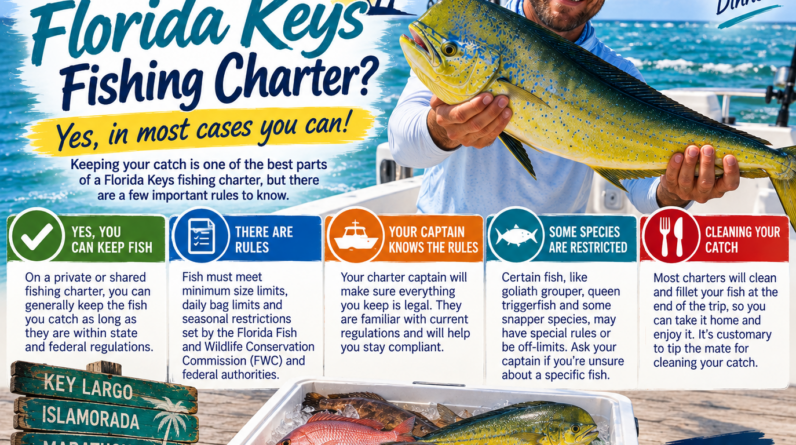
Before heading out to fish, it’s important to understand the regulations and limits in your area. Checking fishing license requirements is the first step. Make sure you have the appropriate license and are aware of any specific regulations for the area you plan to fish.
Knowing bag and size limits is crucial for sustainable fishing. Bag limits refer to the number of fish you are allowed to keep per day, while size limits specify the minimum and maximum sizes of fish that can be harvested. Make sure to measure your catch accurately and release any fish that do not meet the size requirements.
Following catch and release practices is also important for the conservation of fish populations. If you decide to release a fish, handle it gently, minimize the time it spends out of the water, and use proper techniques to reduce injury or stress to the fish.
Understanding local fishing regulations is necessary to avoid legal issues and protect fish populations. Different areas may have specific rules regarding fishing methods, gear restrictions, and protected species. Familiarize yourself with these regulations to ensure you are fishing responsibly and legally.
Safety Considerations
Safety should always be a top priority when shoreline fishing. Here are some important safety considerations to keep in mind:
Being aware of tides and currents is crucial, especially when fishing from rocky or tide-dependent areas. Make sure you know the tide schedule and be cautious of strong currents that can make fishing dangerous.
Using proper sun protection is important to prevent sunburn and reduce the risk of skin damage. Wear sunscreen, a hat, and sunglasses to protect yourself from the sun’s harmful rays.
Wearing appropriate footwear is essential when fishing from shorelines or piers. Choose shoes with good traction to prevent slipping on wet rocks or other slippery surfaces.
Avoiding dangerous locations is key to staying safe while shoreline fishing. Be cautious of fishing near strong currents, steep cliffs, or areas with hazardous wildlife. Use common sense and prioritize your safety at all times.
Having a first aid kit on hand is a smart precaution. Accidents happen, and it’s best to be prepared. Carry essential first aid supplies and know basic first aid procedures in case of an emergency.
Joining Online Fishing Communities
Joining online fishing communities can provide valuable information and resources to enhance your shoreline fishing experience. Here are some benefits of being a part of these communities:
Finding and sharing fishing reports: Online fishing communities often have forums or platforms where anglers can share their fishing reports and experiences. This information can help you determine the best spots and techniques for fishing in your area.
Learning from experienced anglers: Engaging with experienced anglers in online communities can provide valuable insights and tips. Learn from their experiences, ask questions, and gain knowledge that can improve your fishing skills.
Discovering new techniques and gear: Online fishing communities are great sources for discovering new techniques and gear. Members often share their successes and failures, allowing you to expand your fishing repertoire and try new techniques or equipment.
Building a network of fishing enthusiasts: Online fishing communities provide an opportunity to connect with like-minded individuals who share your passion for fishing. You can share stories, exchange tips, and develop friendships with fellow anglers who may have similar interests or fishing goals.
Shoreline fishing offers a rewarding and accessible way to enjoy the sport of angling. By choosing the right spot, selecting the right tackle, mastering casting techniques, understanding fish behavior, using the appropriate baits and lures, and adapting to different conditions, you can increase your chances of success. It’s also important to adhere to fishing regulations, prioritize safety, and take advantage of online fishing communities to enhance your knowledge and skills. So grab your fishing gear, find a great spot along the shore, and enjoy the thrill of reeling in your next big catch!