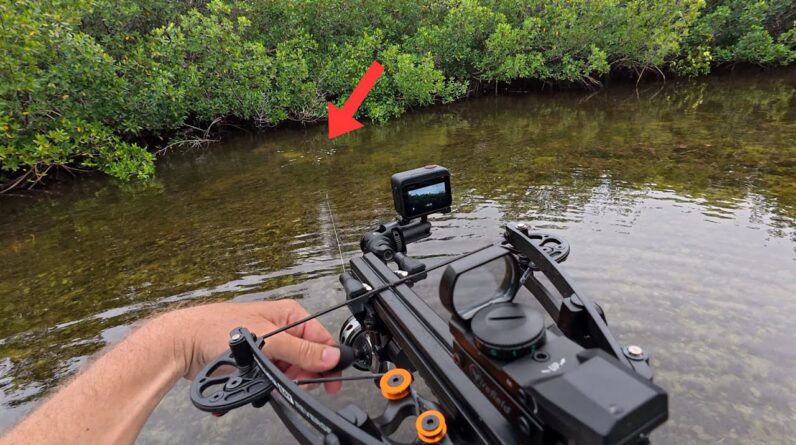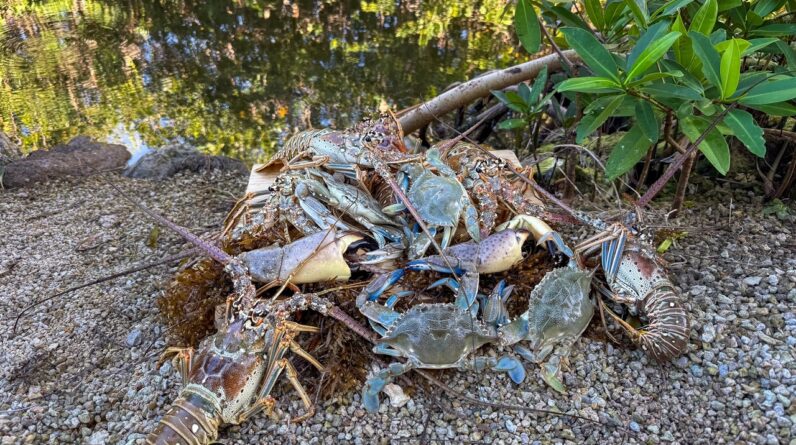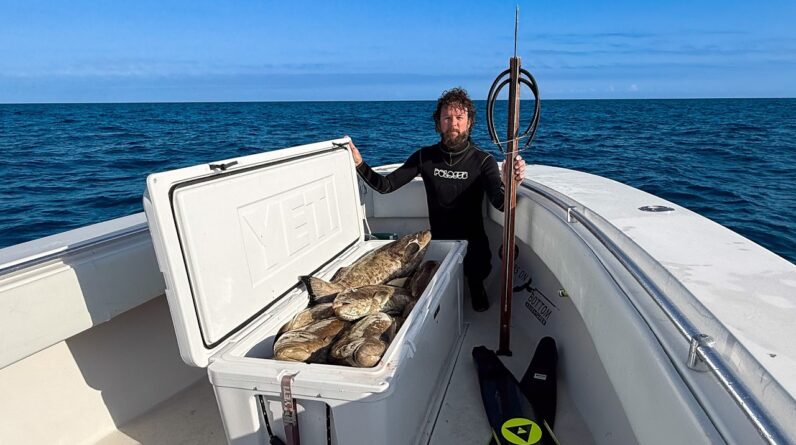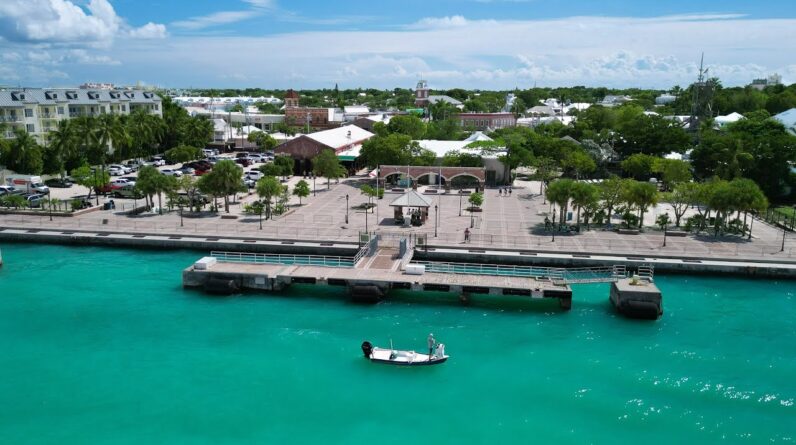


Imagine the thrill of casting your line into the vast waters of the Florida Keys, reeling in a trophy-sized fish while surrounded by breathtaking views of the deep blue sea. If you’ve ever dreamed of becoming a master at deep-sea fishing, then look no further. The Florida Keys is a paradise for anglers, offering an abundance of game fish and unrivaled fishing opportunities. Whether you’re an experienced angler or a novice seeking an unforgettable adventure, this article will guide you on your journey to mastering deep-sea fishing in the beautiful Florida Keys. It’s time to cast off and embark on the fishing trip of a lifetime!
Table of Contents
Choosing the Right Location
Understanding the Florida Keys
When it comes to deep-sea fishing, the Florida Keys offer some of the best locations in the world. Situated at the southernmost tip of Florida, the Florida Keys is a chain of islands known for its stunning natural beauty and abundant marine life. These islands are surrounded by the Atlantic Ocean on one side and the Gulf of Mexico on the other, creating a unique ecosystem that attracts anglers from all over the globe. With its warm weather and clear blue waters, the Florida Keys provide the perfect backdrop for an unforgettable fishing adventure.
Researching the Best Fishing Spots
To make the most of your deep-sea fishing experience in the Florida Keys, it’s important to do your research and identify the best fishing spots. While the entire region offers excellent fishing opportunities, some areas are particularly renowned for their abundance of fish. Popular fishing spots in the Florida Keys include Key West, Islamorada, Marathon, and Key Largo. Each of these locations has its own unique characteristics and attracts different species of fish. By taking the time to research and understand the fishing hotspots, you can increase your chances of having a successful and exciting fishing trip.
Considering Charter Services
For those looking to maximize their deep-sea fishing experience in the Florida Keys, chartering a fishing boat is a highly recommended option. Charter services provide knowledgeable captains and crew who are familiar with the local waters and can guide you to the best fishing spots. They also have all the necessary equipment and tackle on board, saving you the trouble of bringing your own gear. Charter boats in the Florida Keys offer a range of options, from half-day trips to overnight excursions. By booking a charter, you can relax and focus on enjoying the fishing while leaving the logistics in the hands of the professionals.
Understanding Deep-Sea Fishing
Defining Deep-Sea Fishing
Deep-sea fishing, also known as offshore fishing, involves venturing into the deeper waters of the ocean in search of large fish species. Unlike inshore fishing, which takes place closer to the shore, deep-sea fishing requires specialized equipment and techniques. It offers anglers the opportunity to catch a wide range of species, including marlin, sailfish, tuna, mahi-mahi, and shark. With depths ranging from 100 to thousands of feet, deep-sea fishing provides a thrilling and challenging experience for anglers of all skill levels.
Knowing the Target Species
Before embarking on a deep-sea fishing trip in the Florida Keys, it’s important to familiarize yourself with the target species you’ll be fishing for. Each species has its own characteristics, behavior, and preferred habitat, which can impact your fishing strategy. For example, sailfish are known for their impressive speed and acrobatic jumps, while marlin are powerful swimmers that can put up a fierce fight. By understanding the unique qualities of each species, you can tailor your fishing techniques and increase your chances of a successful catch.
Understanding Tides and Currents
Tides and currents play a crucial role in deep-sea fishing. They influence the movement of baitfish, which in turn attracts larger predatory fish. In the Florida Keys, the tide changes approximately every six hours, creating ideal conditions for fishing. Understanding how tides and currents affect fish behavior can help you determine the best times and locations to fish. For example, certain species may be more active during incoming tides, while others prefer outgoing tides. By studying tidal charts and observing the water conditions, you can make informed decisions and improve your chances of landing a trophy catch.
Preparing the Necessary Equipment
Selecting the Right Fishing Rod
Choosing the right fishing rod is essential for deep-sea fishing. These rods are specifically designed to handle the demands of offshore fishing, with features such as extra length and strength to handle larger fish. When selecting a fishing rod, consider factors such as the target species, the type of fishing you’ll be doing (such as trolling or bottom fishing), and your personal preference. It’s also important to choose a rod that matches your skill level and physical abilities, as using an ill-fitting rod can make fishing more difficult and less enjoyable.
Choosing the Appropriate Reel
The reel is another critical piece of equipment for deep-sea fishing. There are two main types of reels used in offshore fishing: spinning reels and conventional reels. Spinning reels are easier to use and are suitable for beginners or anglers who prefer a simpler setup. Conventional reels, on the other hand, offer greater line capacity and more power, making them ideal for battling large fish. Like fishing rods, the choice of reel depends on factors such as the target species, fishing technique, and personal preference.
Picking the Right Fishing Line
Selecting the appropriate fishing line is crucial in deep-sea fishing, as it serves as the direct connection between you and the fish. Monofilament, fluorocarbon, and braided lines are the most commonly used types in offshore fishing. Monofilament lines are affordable and versatile, while fluorocarbon lines offer excellent visibility in the water and are more resistant to abrasion. Braided lines provide exceptional strength and sensitivity, making them popular among anglers targeting large and powerful fish. Consider factors such as the fishing conditions, target species, and personal preference when choosing the right fishing line for your trip.
Gathering Tackle and Bait Supplies
In addition to the fishing rod, reel, and line, it’s important to gather the necessary tackle and bait supplies for your deep-sea fishing adventure. Tackle refers to the various hooks, sinkers, swivels, and lures used to attract and catch fish. The selection of tackle depends on the target species and the fishing technique you plan to employ. Live bait, such as shrimp or squid, is often preferred by anglers for its ability to entice bites from a wide variety of fish. Artificial lures, on the other hand, can be effective in imitating the movement of baitfish and triggering predatory instincts. By understanding the preferences of the target species and having a well-stocked tackle box, you can increase your chances of success on the water.
Ensuring Safety at Sea
Checking Weather Conditions
Safety should always be a top priority when venturing into the deep sea. Before heading out, be sure to check the weather conditions, as they can have a significant impact on your safety and fishing experience. Pay attention to factors such as wind speed, wave height, and storm warnings. If the weather is unfavorable or potentially dangerous, it’s best to postpone your fishing trip to a more suitable time. By staying informed about the weather conditions and making responsible decisions, you can help ensure a safe and enjoyable deep-sea fishing excursion.
Inspecting and Maintaining the Boat
Before setting sail, it’s crucial to inspect and maintain your boat to ensure its seaworthiness. Check the engine, fuel, and electrical systems to ensure they are in proper working order. Inspect the hull for any signs of damage or wear. Make sure all safety equipment, such as life jackets, fire extinguishers, flares, and distress signals, are present and in good condition. Regular boat maintenance and inspections not only promote safety but also help prevent any unexpected issues that could potentially ruin your fishing trip.
Stocking Safety Equipment
Having the proper safety equipment on board is essential for any deep-sea fishing excursion. Equip your boat with life jackets for all passengers, as well as throwable flotation devices. Fire extinguishers, flares, and distress signals should also be readily available in case of emergency. It’s important to have a first aid kit on board to address any minor injuries or medical issues. Additionally, a well-functioning compass, GPS, and navigation tools can help you navigate the waters safely. By ensuring that your boat is stocked with the necessary safety equipment, you can fish with peace of mind knowing that you are prepared for any unforeseen circumstances.
Knowing Emergency Procedures
Being prepared for emergencies is crucial when engaging in deep-sea fishing. Familiarize yourself with emergency procedures, such as how to communicate distress signals or make emergency calls. Make sure everyone on board is aware of the location and proper usage of safety equipment. Stay informed about the nearest Coast Guard stations and their contact information. Knowing basic first aid procedures can also be beneficial in case of minor injuries. By understanding and practicing emergency procedures, you can effectively respond to unexpected situations and keep yourself and your fellow anglers safe.
Mastering Fishing Techniques
Learning Bottom Fishing
Bottom fishing is a popular deep-sea fishing technique that involves dropping your bait or lure to the ocean floor to target fish that dwell near the bottom. This technique is particularly effective for catching species such as grouper, snapper, and amberjack. To master bottom fishing, use a heavy sinker to get your bait to the sea floor quickly. Keep your rod tip low and be attentive to any bites or movements. Bottom fishing requires patience and finesse, as you often have to wait for the fish to take the bait before setting the hook. Practice this technique to increase your chances of success in catching a variety of bottom-dwelling species.
Perfecting Trolling Techniques
Trolling is a fishing technique where a moving boat drags one or more lines with bait or lures behind it. This technique is ideal for targeting fast-swimming pelagic species, such as marlin, tuna, and wahoo. To perfect your trolling technique, adjust your boat’s speed and direction to mimic the movement of baitfish. Use lures or bait that resemble the natural prey of the target species. Pay attention to the depth at which the fish are feeding, as this will determine the placement of your lines. Trolling requires attentiveness and the ability to read the water to effectively locate and entice your target species.
Understanding Drift Fishing
Drift fishing is a technique where anglers allow their boat to drift naturally with the current while fishing. This method is especially effective for targeting species such as snapper, kingfish, and cobia. To understand drift fishing, observe the direction and speed of the current, and position your boat accordingly. Allow your bait or lure to drift naturally with the current, presenting it in a lifelike manner. Stay alert for any bites or changes in the movement of your line. Drift fishing requires patience and an understanding of the behavior of the target species in relation to the currents.
Mastering Live Bait Techniques
Using live bait can be highly effective in deep-sea fishing, as it appeals to the predatory instincts of many species. To master live bait techniques, choose live bait that is preferred by the target species, such as pilchards, mullet, or pinfish. Properly rig the live bait to ensure it swims naturally and appears enticing to the fish. Observe the movements and behavior of the baitfish to determine if they are attracting the attention of larger fish. Live bait fishing requires skill and finesse, as it involves handling delicate bait and presenting it in a manner that entices strikes.
Understanding Fishing Regulations
Acquiring Fishing Licenses
Before engaging in any fishing activities in the Florida Keys, it is essential to acquire the appropriate fishing licenses. Fishing licenses are required for both residents and non-residents above a certain age. The specific regulations regarding licenses can vary, so it’s important to familiarize yourself with the rules and regulations of the Florida Fish and Wildlife Conservation Commission (FWC). Licenses can be obtained online or from authorized vendors. By obtaining the necessary licenses, you can fish legally and avoid any potential fines or penalties.
Staying Updated on Size and Bag Limits
In order to protect fish populations and ensure sustainable fishing practices, size and bag limits are imposed on various species in the Florida Keys. Size limits refer to the minimum size a fish must be for it to be legally retained. Bag limits, on the other hand, specify the maximum number of each species that an angler can keep in a single day. It is important to stay up to date with the current size and bag limits for the target species you are fishing for. This information can be found on the FWC’s website or obtained through fishing charters and local fishing shops. By adhering to the size and bag limits, you can contribute to the conservation of fish populations for future generations to enjoy.
Familiarizing with Protected Species
Certain fish species in the Florida Keys are protected due to their vulnerable status or importance to the ecosystem. It is crucial to familiarize yourself with these protected species and understand the regulations in place for their conservation. Protected species include some types of sharks, sea turtles, and certain coral reef fish. As an angler, it is your responsibility to avoid targeting or harming these protected species. By respecting and protecting these vulnerable species, you can contribute to the overall health and sustainability of the marine ecosystem.
Respecting Seasonal Closures
Seasonal closures are temporary fishing restrictions put in place to protect fish during their spawning periods or other sensitive times in their life cycle. These closures may apply to certain species or specific areas at different times of the year. It is important to respect these closures and refrain from fishing in restricted areas or targeting closed species during the designated periods. By acknowledging and adhering to seasonal closures, you can help preserve fish populations and support the overall sustainability of deep-sea fishing in the Florida Keys.
Learning from Local Experts
Booking Guided Fishing Trips
One of the best ways to learn and improve your deep-sea fishing skills is by booking guided fishing trips with local experts. These experienced captains and guides have extensive knowledge about the local waters, fish behavior, and effective fishing techniques. They can provide valuable insights, tips, and tricks that can greatly enhance your fishing experience. Guided fishing trips also eliminate the need for you to worry about equipment, tackle, or navigational challenges. By booking a guided trip, you can learn from the experts and maximize your chances of a successful and enjoyable fishing adventure.
Attending Workshops and Seminars
Workshops and seminars are another excellent opportunity to learn from local experts and expand your knowledge of deep-sea fishing. Many fishing organizations, conservation groups, and tackle shops in the Florida Keys offer workshops and seminars on various fishing topics. These educational events cover a wide range of subjects, such as fishing techniques, knot tying, casting, and fish behavior. Attending these workshops and seminars allows you to interact with experienced anglers, ask questions, and gain new insights that can enhance your fishing skills and knowledge.
Engaging with Fishing Communities
The Florida Keys is home to vibrant fishing communities that are deeply rooted in the fishing tradition. Engaging with these communities can provide valuable opportunities to learn from local anglers and immerse yourself in the fishing culture. Visit local fishing docks and marinas to observe the daily catch, talk to fellow anglers, and exchange tips and stories. Participate in fishing tournaments or community events to connect with like-minded individuals who share your passion for fishing. By engaging with fishing communities, you can build relationships, expand your network, and continue learning from experienced anglers who have a deep understanding of the local fishing scene.
Seeking Advice from Experienced Anglers
Don’t be afraid to seek advice from experienced anglers you encounter during your fishing trips or at local fishing spots. Many anglers are more than willing to share their knowledge and offer helpful tips to fellow fishermen. Strike up a conversation, ask for advice, or simply observe and learn from their techniques. By tapping into the wisdom and experience of these seasoned anglers, you can gain valuable insights and improve your own fishing skills. Building connections with experienced anglers can also open doors to new fishing opportunities and partnerships.
Managing Expectations
Understanding the Role of Luck
Deep-sea fishing, like any form of angling, involves an element of luck. While skill and knowledge play a crucial role, it’s important to understand that catching fish is not guaranteed. Factors such as weather conditions, fish behavior, and luck all come into play. Some days you may have a successful catch, while others you may come back empty-handed. Embrace the uncertainty and enjoy the process of being out on the water, regardless of the outcome. It’s the thrill of the chase and the beauty of nature that make deep-sea fishing an exhilarating and rewarding experience.
Setting Realistic Goals
When heading out for a deep-sea fishing trip, it’s important to set realistic goals and manage your expectations. Catching a trophy-sized fish on your first trip may be unlikely, especially if you are new to offshore fishing. Instead of focusing solely on the size or quantity of your catch, embrace the overall experience of being on the water and enjoying nature. Set goals that are within reach, such as improving your fishing techniques or learning about different species. By setting realistic goals, you can maintain a positive mindset and find satisfaction in the journey, regardless of the outcome.
Enjoying the Overall Experience
Deep-sea fishing is not just about catching fish; it’s about immersing yourself in the beauty and serenity of the ocean. Take the time to appreciate the stunning scenery, the sound of the waves, and the warm sun on your back. Observe the marine life, from dolphins and sea turtles to seabirds hovering above. Enjoy the company of your fellow anglers or the peaceful solitude if you’re fishing alone. Deep-sea fishing offers an escape from the hustle and bustle of daily life and provides a unique opportunity to connect with nature. Remember to cherish the overall experience, regardless of the size or number of fish you catch.
Caring for the Catch
Handling Fish Properly
When you do catch a fish, it’s important to handle it properly to ensure its survival and freshness. Wet your hands before handling a fish to avoid damaging its protective slime layer. Keep the fish in the water as much as possible and minimize the time it spends out of the water. If you need to hold the fish for a photo, support its body weight and avoid squeezing it tightly. If you plan to release the fish, remove the hook gently using pliers or a dehooking tool. By handling fish with care and respect, you can increase its chances of survival and preserve the integrity of the fishery.
Familiarizing with Catch-and-Release Techniques
Catch-and-release is a vital practice in deep-sea fishing to help preserve fish populations and maintain sustainable fisheries. Familiarize yourself with proper catch-and-release techniques to ensure the survival of released fish. Use barbless hooks or flatten the barb to minimize injury. Avoid using excessive force when removing the hook to prevent unnecessary harm to the fish. If the fish is exhausted or appears injured, consider reviving it before releasing by gently moving it back and forth in the water to stimulate oxygen flow through its gills. By practicing catch-and-release properly, you can contribute to the conservation of fish populations and ensure the future of deep-sea fishing.
Learning How to Clean and Fillet Fish
If you decide to keep some fish for consumption, it’s important to learn how to clean and fillet them properly. Start by scaling the fish, removing the head, and gutting it. Use a sharp fillet knife to carefully remove the fillets from the fish’s side, taking care not to waste any edible meat. Rinse the fillets thoroughly to remove any remaining scales or blood. You can then choose to cook the fillets whole or further process them into smaller portions. Properly cleaning and filleting fish ensures that you have high-quality, safe-to-eat fillets that can be enjoyed as a delicious meal.
Preserving the Habitat
Practicing Leave No Trace Principles
Preserving the habitat and minimizing your impact on the environment is crucial in deep-sea fishing. Practice Leave No Trace principles, which encourage responsible outdoor recreation. Dispose of any trash or fishing debris properly and pack out what you pack in. Avoid damaging coral reefs, seagrass beds, or other sensitive habitats by anchoring in designated areas or using mooring buoys when available. Treat wildlife with respect and observe from a distance without disturbing or feeding them. By practicing Leave No Trace principles, you can ensure the preservation of the marine environment for future generations of anglers to enjoy.
Disposing of Waste Responsibly
Proper waste disposal is essential for maintaining a clean and healthy environment in the Florida Keys. Dispose of all waste, including food scraps and fishing-related debris, in designated trash receptacles onshore. Avoid throwing any waste overboard or leaving it on the boat. If you are in a remote fishing location without nearby waste facilities, bring a designated bag for collecting and storing trash until you can properly dispose of it on land. By taking responsibility for your waste and disposing of it responsibly, you can help protect the fragile marine ecosystems of the Florida Keys.
Supporting Conservation Efforts
Supporting conservation efforts is crucial in preserving the habitat and future of deep-sea fishing in the Florida Keys. Consider donating to conservation organizations that work to protect and restore marine ecosystems. Volunteer your time to participate in beach cleanups or habitat restoration projects. Educate yourself and others about the importance of sustainable fishing practices and the need to preserve the marine environment. By actively supporting conservation efforts, you can contribute to the long-term sustainability of the Florida Keys’ rich biodiversity and ensure that future generations can enjoy the thrill of deep-sea fishing.
By following these guidelines and dedicating yourself to learning, respecting, and preserving the deep-sea fishing experience, you can become a master of the craft in the Florida Keys. With its stunning landscapes, diverse marine life, and fishing culture, the Florida Keys provides the perfect opportunity to embark on an unforgettable deep-sea fishing adventure. So grab your fishing gear, choose the right location, and get ready to experience the thrill of deep-sea fishing in one of the world’s most iconic destinations. Fish on and enjoy everything this extraordinary marine playground has to offer!