

Table of Contents
Florida Keys Fishing in January: What’s Biting and Where
January is a great month to escape winter and go fishing in the Florida Keys.
While anglers farther north may be looking at frozen lakes, you can be chasing sailfish offshore, trolling for king mackerel, fishing reefs for snapper or heading into the backcountry.
January sits right in the middle of the cooler-season fishing pattern.
That makes several species especially worth considering.
If you’re planning a Florida Keys fishing trip in January, here’s what you need to know.
What Fish Are Biting in the Florida Keys in January?
Possible January targets include:
- Sailfish
- King mackerel
- Wahoo
- Blackfin tuna
- Yellowtail snapper
- Mutton snapper
- Cero mackerel
- Barracuda
- Sharks
- Bonefish
- Permit
- Tarpon
What you’ll actually catch depends on water temperature, current, wind, bait and recent weather.
Cold fronts can also change conditions quickly during winter.
That’s why recent fishing reports and advice from local captains can be especially valuable in January.
Is January a Good Month to Fish the Florida Keys?
Yes.
January can be one of the most appealing months for anglers who enjoy offshore fishing.
Sailfish are a major draw.
King mackerel are active.
Wahoo can still be in the picture.
Blackfin tuna add another possibility.
Reef fishing can produce snapper and other species.
And if offshore conditions aren’t favorable, you still have backcountry, flats, bridge and wreck fishing available.
That variety gives January anglers plenty of options.
Sailfish Fishing in January
Sailfish are one of the biggest reasons to plan a January fishing trip.
January falls right in the traditional Florida Keys sailfish season.
These fish are known for:
- Incredible speed
- Long runs
- Acrobatic jumps
- Their large dorsal sail
- Exciting surface strikes
Seeing a sailfish come out of the water during a fight is one of those fishing moments that’s hard to forget.
Live Bait Fishing for Sailfish
Live bait is one of the most popular ways to target Florida Keys sailfish.
Captains may use:
- Pilchards
- Ballyhoo
- Goggle-eyes
- Other live baitfish
Baits may be drifted or slow-trolled around reef edges, current lines and productive offshore water.
Kite Fishing
Kite fishing is another technique used by sailfish specialists.
The kite helps suspend live baits near the surface while spreading several offerings away from the boat.
This setup can produce dramatic surface strikes.
Trolling
Rigged ballyhoo and artificial lures can also be trolled while searching for sailfish.
If catching a sailfish is your main goal, I’d look for a captain who regularly targets them during winter.
King Mackerel Fishing in January
January is a very good month to have king mackerel on your target list.
King mackerel are usually called kingfish throughout Florida.
They’re fast, aggressive predators commonly found around:
- Reef edges
- Wrecks
- Bait schools
- Drop-offs
- Offshore structure
Slow-trolling live bait is one of the classic ways to target them.
Artificial lures and rigged baits can also work.
Kingfish have extremely sharp teeth, so leader selection matters.
They can also make surprisingly powerful runs.
A big king can dump line from a reel very quickly.
Wahoo Fishing in January
Wahoo may also be encountered during January.
Their strongest Florida Keys periods are often associated with late fall and early winter, but fish don’t disappear because the calendar changes.
Wahoo can be targeted by:
- High-speed trolling
- Trolling artificial lures
- Trolling rigged baits
- Fishing current edges
- Working reef drops
- Fishing offshore structure
They’re built for speed and have razor-sharp teeth.
Even one quality wahoo can turn a good day into a memorable one.
If your captain says they’ve been seeing wahoo recently, it’s worth paying attention.
Blackfin Tuna Fishing in January
Blackfin tuna add another possibility to a January offshore trip.
They may not reach the massive sizes associated with some other tuna species, but they fight extremely well.
Common techniques include:
- Live baiting
- Chumming
- Trolling
- Jigging
- Casting
Look for areas holding bait.
Bird activity can sometimes indicate feeding fish.
Blackfin tuna are also highly regarded as food.
If you plan to keep a legal fish, ask about proper bleeding and icing immediately after the catch.
Yellowtail Snapper Fishing in January
You don’t have to chase offshore pelagic fish all day.
Yellowtail snapper give reef anglers a completely different option.
They’re one of the classic Florida Keys reef fish.
A common yellowtail setup involves anchoring near reef structure and creating a chum line.
Small baits are drifted naturally through the chum.
The challenge is making everything look natural.
Florida Keys water can be very clear.
That means yellowtails often have plenty of time to inspect your line, hook and bait.
Light leaders can help.
Yellowtail fishing is a good option for:
- Families
- Beginners
- Light-tackle anglers
- People hoping to keep legal fish for dinner
- Anglers who want steady action
Mutton Snapper Fishing in January
Mutton snapper are another reef and wreck possibility.
These fish can grow much larger than the average yellowtail.
Look for them around:
- Reefs
- Wrecks
- Drop-offs
- Rocky bottom
- Other structure
Live bait and dead bait can both work.
Mutton fishing often requires more patience than catching smaller reef fish.
But hooking a good one near structure can produce a serious fight.
Cero Mackerel Fishing in January
Cero mackerel are another fun winter target.
They frequently patrol reef areas and places where baitfish concentrate.
Possible techniques include:
- Live baiting
- Trolling
- Spoons
- Plugs
- Other artificial lures
Ceros may not receive as much attention as sailfish or kingfish, but they’re fast and aggressive.
For someone who mainly wants action, they can make a reef trip a lot of fun.
Can You Catch Mahi-Mahi in January?
You might.
But January is not the main mahi-mahi season in the Florida Keys.
Mahi are much more strongly associated with spring and summer.
An occasional fish can show up outside the peak period, but I wouldn’t plan a January vacation around catching mahi.
If mahi-mahi are your number-one goal, consider returning during the warmer months.
January has its own strengths.
Sailfish and kingfish are two of the biggest.
Can You Catch Tarpon in January?
Yes, resident tarpon can be present during January.
But January is not part of the famous spring tarpon migration.
You may encounter resident fish around:
- Bridges
- Channels
- Harbors
- Backcountry water
- Areas holding bait
If you’re already visiting in January, ask your guide if local tarpon opportunities exist.
If catching a huge migrating tarpon is your primary goal, spring would usually be a better time to plan the trip.
Bonefish and Permit in January
Flats fishing doesn’t completely shut down during winter.
Bonefish and permit can still be available.
The biggest issue is often weather.
A warm stretch can create much better shallow-water conditions than the days immediately following a strong cold front.
Sight-fishing success may depend on:
- Water temperature
- Sunlight
- Wind
- Tide
- Water clarity
January flats fishing can be challenging.
That’s also what makes success rewarding.
Reef Fishing in January
Reef fishing can be one of the better choices for families and beginners.
Possible catches include:
- Yellowtail snapper
- Mutton snapper
- Cero mackerel
- Barracuda
- Sharks
- Jacks
- Other reef species
A reef trip can involve a shorter run than some offshore charters.
That can be useful if you’re worried about seasickness or fishing with young children.
You also have a better chance of catching several different species rather than putting the whole day into searching for one fish.
Wreck Fishing in January
Wrecks attract bait and predators.
Depending on depth and location, you may encounter:
- Snapper
- Mackerel
- Barracuda
- Sharks
- Jacks
- Other species
Some wrecks can also attract pelagic fish moving through the area.
Fishing methods vary with current, depth and target species.
That makes wreck fishing another useful option when building a January trip.
Offshore Fishing in January
January is a great month for offshore fishing.
Possible targets include:
- Sailfish
- Kingfish
- Wahoo
- Blackfin tuna
The biggest mistake is deciding before you leave the dock that only one fish will make the day successful.
Tell the captain what you’d love to catch.
Then ask:
“What’s been biting best this week?”
That gives the captain more flexibility.
If sailfish have been slow but kingfish are everywhere, following the better bite can produce a much better day.
Backcountry Fishing in January
The Florida Keys backcountry gives anglers access to a very different environment.
Think:
- Mangrove shorelines
- Bays
- Channels
- Flats
- Protected water
Possible catches vary, but can include:
- Tarpon
- Barracuda
- Sharks
- Snapper
- Jacks
- Other inshore fish
The backcountry can become particularly valuable after a cold front.
If strong winds make offshore fishing uncomfortable, a guide may be able to find more protected water.
Where Should You Fish in January?
Your best location depends on what you want to catch.
Key Largo
Key Largo gives you access to reefs, offshore water and Florida Bay.
It’s also the closest major Keys fishing destination to mainland South Florida.
That makes it convenient for shorter fishing vacations.
Islamorada
Islamorada deserves serious consideration for January.
You can fish:
- Sailfish
- Kingfish
- Tuna
- Reefs
- Wrecks
- Backcountry
- Flats
The ability to switch between offshore and backcountry fishing makes Islamorada especially attractive during winter.
Marathon
Marathon gives anglers access to:
- Offshore fishing
- Reefs
- Wrecks
- Bridges
- Florida Bay
Its Middle Keys location also makes it a useful base for people who want to fish several different areas during one vacation.
Lower Keys
The Lower Keys provide extensive flats and backcountry fishing along with access to offshore water.
This area is worth considering if light tackle and shallow-water fishing interest you.
Key West
Key West offers a wide variety of January fishing.
You can chase offshore species, fish wrecks and reefs or spend time on the flats.
That’s useful if you’re planning several fishing days.
You won’t necessarily have to repeat the same type of trip.
Florida Keys Bridge Fishing in January
You don’t need a boat.
Bridge fishing can give shore-based anglers access to deep channels and moving water.
Possible catches include:
- Snapper
- Barracuda
- Mackerel
- Jacks
- Sharks
- Other species
Tide can make a major difference.
Moving water often improves fishing around bridges.
Stop at a local tackle shop before fishing.
Ask what’s biting and which bait has been working recently.
That information can be more useful than carrying a huge tackle box full of things you don’t need.
Best Baits for January Fishing
There isn’t one bait for every fish.
Common options may include:
- Ballyhoo
- Pilchards
- Goggle-eyes
- Shrimp
- Crabs
- Squid
- Cut bait
- Other live baitfish
Artificial choices include:
- Jigs
- Spoons
- Plugs
- Trolling lures
- Soft plastics
Choose your target first.
Then choose your bait and tackle.
The setup for yellowtail snapper won’t look anything like a wahoo trolling setup.
What’s the Weather Like in January?
January is one of the cooler months in the Florida Keys.
That doesn’t mean cold by northern standards.
But winter fronts can bring:
- Lower temperatures
- Strong winds
- Rougher seas
- Cooler water
- Changing fish behavior
One day might feel warm and calm.
The next could require a jacket during the morning boat ride.
Bring layers.
Useful clothing includes:
- Lightweight long-sleeve shirt
- Sweatshirt or light jacket
- Rain jacket
- Hat
- Polarized sunglasses
- Non-slip shoes
Don’t forget sunscreen.
You can still get burned quickly during winter.
What Happens After a Cold Front?
Cold fronts are one of the biggest variables during January.
A front can change:
- Wind direction
- Water temperature
- Water clarity
- Offshore sea conditions
- Flats fishing
- Fish location
That doesn’t automatically mean fishing will be poor.
It may mean the captain changes the plan.
You could switch from offshore fishing to the backcountry.
You might target a different species.
You might fish protected water.
That ability to adapt is one reason hiring a good local captain can be valuable during winter.
Morning or Afternoon Fishing in January?
You have more flexibility than during summer.
You don’t need to leave before sunrise simply to escape the heat.
The best departure time may depend on:
- Target species
- Tide
- Current
- Wind
- Recent fishing activity
- Sunlight
For flats fishing, sunlight can help you see fish.
For offshore fishing, your captain may prefer an early departure to get bait and reach productive water.
Ask before booking.
Half-Day or Full-Day Charter?
Both can work well in January.
Choose a Half-Day Charter If:
- You’re fishing with children.
- It’s your first charter.
- You’re concerned about seasickness.
- You mainly want reef fishing.
- You have other vacation plans that day.
Choose a Full-Day Charter If:
- Sailfish are your main goal.
- You’re targeting wahoo.
- You want to fish offshore.
- Fishing is the main reason for your trip.
- You want maximum flexibility.
A longer trip gives the captain more time to change locations if the first area isn’t productive.
Fishing the Florida Keys Around New Year’s
Early January can be busy.
New Year’s vacationers may still be in the Keys, and winter visitors begin arriving.
If you want a particular captain, boat or hotel, booking ahead can make sense.
Don’t wait until you arrive and assume your first-choice charter will have an opening the next morning.
January is a popular fishing month for a reason.
What Should You Bring on a January Fishing Charter?
Ask the charter what they provide first.
Many charter boats include rods, reels, tackle and bait.
Your personal bag may include:
- Polarized sunglasses
- Sunscreen
- Hat
- Light jacket
- Rain jacket
- Long-sleeve shirt
- Non-slip shoes
- Water
- Snacks
- Camera
- Waterproof phone case
- Motion-sickness medication if needed
Dress in layers.
A cool morning may turn into a warm afternoon.
Do You Need a Fishing License?
It depends on how you’re fishing.
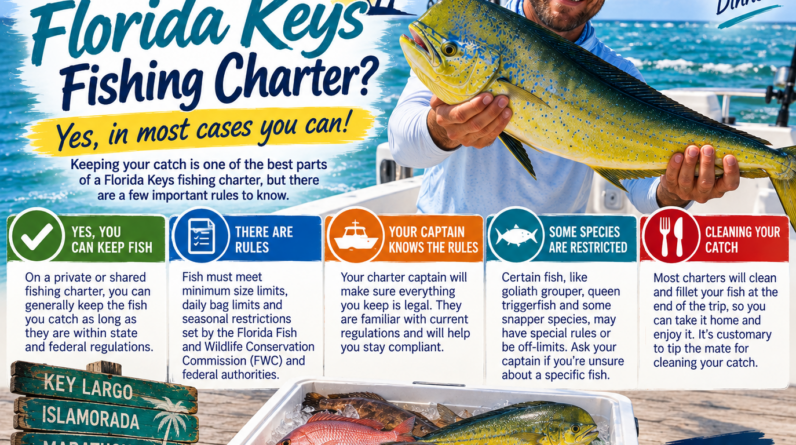
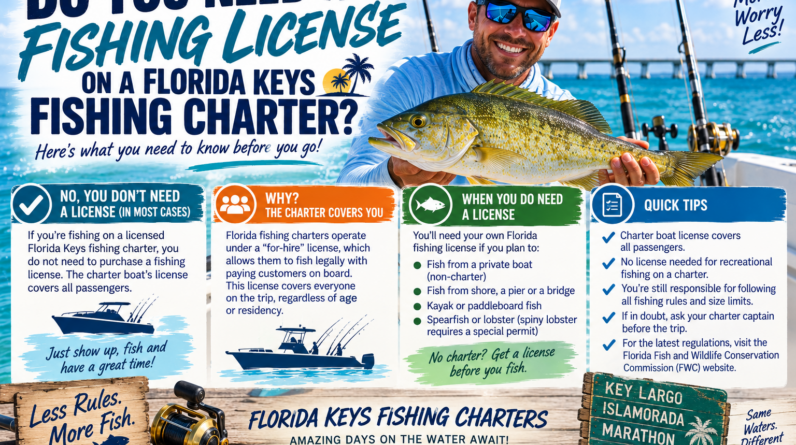
Visitors fishing from a properly licensed charter or party boat generally do not need their own saltwater fishing license for that trip.
If you’re fishing independently, different requirements may apply.
That can include fishing from:
- Shore
- Bridges
- Kayaks
- Private boats
Check current Florida requirements before fishing.
Check Current Fishing Regulations
Fishing regulations change.
Don’t use an old fishing post to decide whether you can keep something.
Current rules can include:
- Minimum sizes
- Maximum sizes
- Bag limits
- Vessel limits
- Closed seasons
- Gear restrictions
- Special management zones
- State-water regulations
- Federal-water regulations
Check the current Florida Fish and Wildlife Conservation Commission rules before keeping fish.
Florida Keys January Fishing FAQ
What fish can you catch in January in the Florida Keys?
Possible January targets include sailfish, king mackerel, wahoo, blackfin tuna, yellowtail snapper, mutton snapper, cero mackerel, barracuda, sharks and other species.
Is January good for sailfish?
Yes. January falls within the traditional Florida Keys sailfish season.
Is January good for kingfish?
Yes. King mackerel are an important cooler-season target during January.
Can you catch wahoo in January?
Yes. Wahoo can be encountered during January, although November and December are especially well known for wahoo activity.
Can you catch mahi-mahi in January?
It’s possible, but January is outside the main Florida Keys mahi season.
Can you catch tarpon in January?
Resident tarpon may be available, but January is not part of the main spring migration.
Is January good for reef fishing?
Yes. Yellowtail snapper and other reef fish can provide good January opportunities.
Is January good for fishing in Islamorada?
Yes. Islamorada provides January access to offshore, reef, backcountry and flats fishing.
Is January good for fishing in Key West?
Yes. Key West offers offshore, reef, wreck and flats opportunities during January.
Is January too cold for fishing in the Florida Keys?
No. Fishing takes place throughout January. Cold fronts can make individual days cooler, windier and rougher, so flexible plans and layered clothing help.
Is January Worth It for a Florida Keys Fishing Trip?
Definitely.
January is one of those months when the Florida Keys really show why they’re a year-round fishing destination.
Sailfish are in season.
Kingfish are active.
Blackfin tuna can show up offshore.
Wahoo remain a possibility.
Yellowtail snapper can keep reef anglers busy.
And if wind makes the Atlantic uncomfortable, the backcountry gives you another option.
The smartest approach is to stay flexible.
Know which fish you’d love to catch, but don’t force the captain to chase a species that hasn’t been cooperating.
Ask what’s biting.
Ask what the weather allows.
Then choose the fishing that gives you the best chance of having a good day.
Catching a sailfish in January while everyone back home is scraping frost off the windshield isn’t a bad way to start the year.