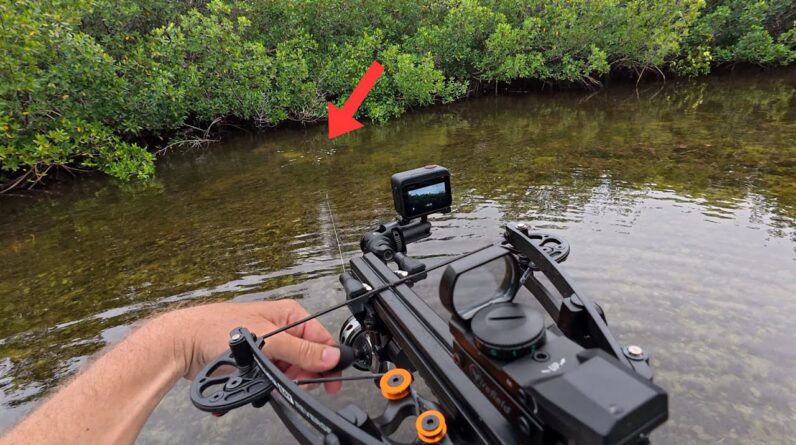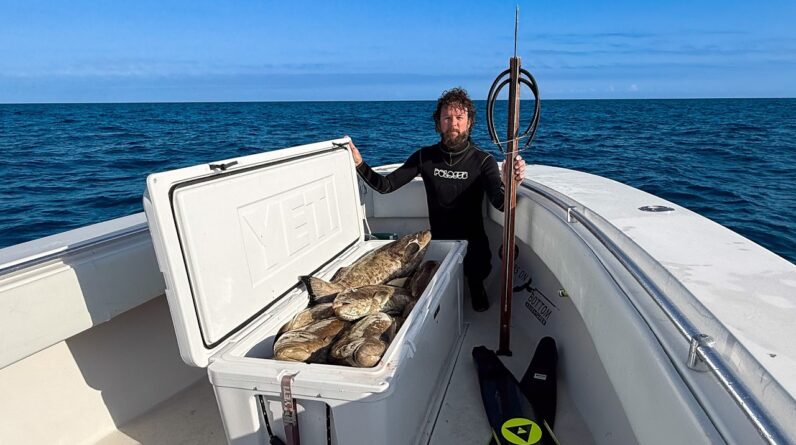



Are you a beginner angler eager to try your hand at night fishing? Look no further! In this article, we will provide you with a range of valuable tips, techniques, and safety precautions for a successful night fishing experience in the beautiful Florida Keys. Whether you’re seeking the thrill of catching elusive species under the stars or simply want to try something new, we’ve got you covered. Get ready to embark on an exciting nocturnal fishing adventure!
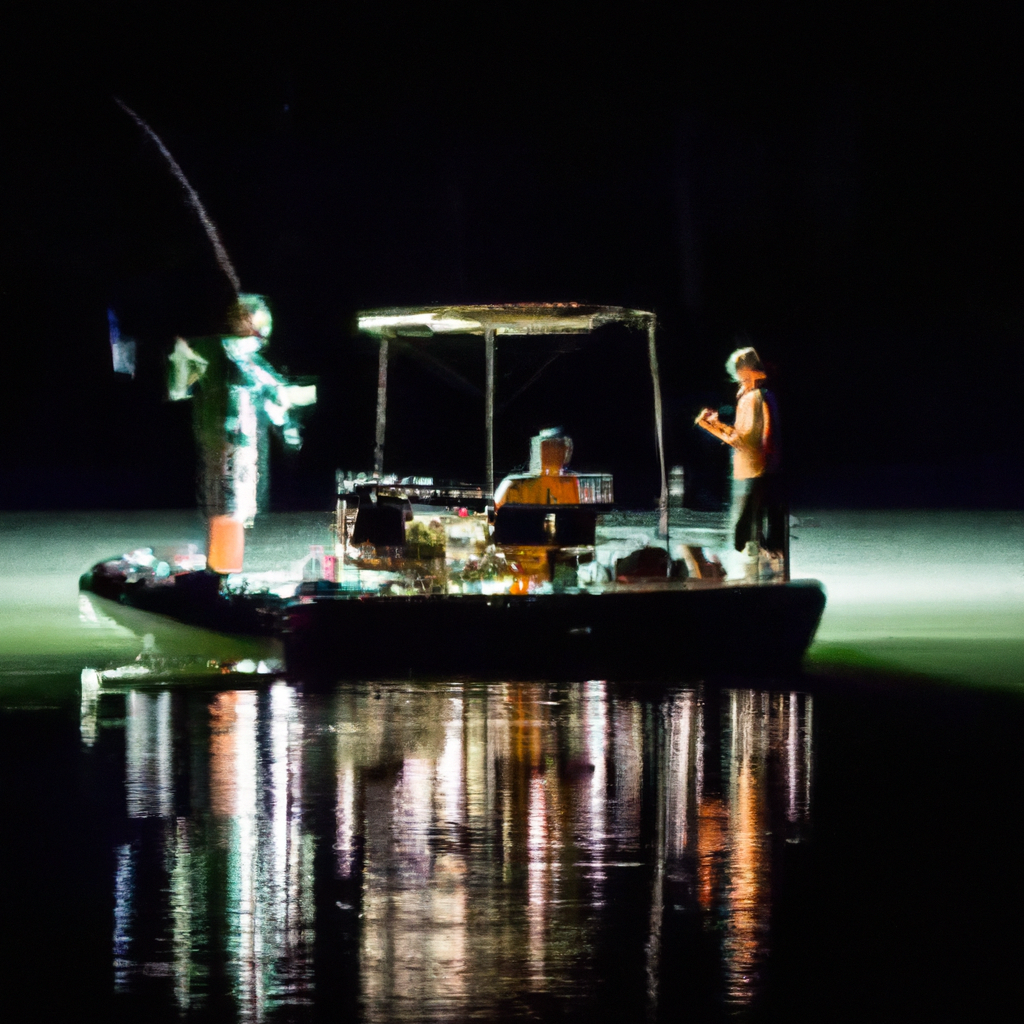
Table of Contents
Choosing the Right Location
Night fishing can be an exhilarating experience, but it’s important to choose the right location to maximize your chances of success. Researching fishing spots is the first step in finding the perfect location. Look for areas known for their night fishing opportunities, such as lakes, rivers, or coastal hotspots. Online forums, fishing guides, and local resources can provide valuable information about the best spots to fish at night.
While researching, it’s crucial to consider local regulations. Some areas may have specific rules and regulations regarding night fishing, such as fishing curfews or restricted areas. Make sure to familiarize yourself with these regulations to avoid any legal issues. You can contact the local fishing authority or check online resources for the most up-to-date information.
Another factor to consider when choosing a location is safety and accessibility. Look for areas that are safe to fish at night and easily accessible. Ensure that the location has suitable parking, well-lit pathways or access points, and minimal hazards. Considering these factors will not only enhance your fishing experience but also ensure your safety throughout the night.
Essential Gear for Night Fishing
When it comes to night fishing, having the right gear is crucial. Here are some essential items you’ll want to have in your arsenal:
Fishing Rod and Reel
A reliable fishing rod and reel combo is the backbone of any angler’s gear. Choose a rod and reel that can handle the size and species of fish you expect to catch. Consider the weight, length, and durability of the rod and ensure it suits your fishing style.
Fishing Line
Selecting the right fishing line is important, as it determines the strength, visibility, and flexibility of your setup. Monofilament or braided fishing lines are popular choices for night fishing due to their durability and visibility in low light conditions.
Hooks, Sinkers, and Bobbers
Having a variety of hooks, sinkers, and bobbers will allow you to adapt to different fishing conditions and techniques. Make sure to select the right sizes and weights based on the type of fish you’re targeting.
Fishing Bait or Lures
Nighttime fishing often requires different bait or lures compared to daytime fishing. Glow-in-the-dark lures or bait can be highly effective in attracting fish in low-light situations. Additionally, consider using scented baits to enhance their appeal to nocturnal predators.
Flashlights and Headlamps
Always have reliable and waterproof flashlights and headlamps to illuminate your fishing area and help you navigate safely in the dark. LED lights are a popular choice due to their brightness and battery efficiency.
Extra Batteries
Don’t forget to pack extra batteries for your lights and electronic devices. It’s better to have more than you need, as running out of battery power in the middle of your fishing trip can be a major inconvenience.
First Aid Kit
Safety should always be a priority when fishing, especially at night. Pack a well-stocked first aid kit that includes bandages, antiseptic ointment, and any necessary medications. Preparedness is key in handling any unexpected injuries or emergencies.
Insect Repellent
Nighttime fishing often comes with its fair share of pesky insects. Protect yourself from mosquito bites by applying insect repellent before heading out. Look for repellents designed for outdoor activities and choose one with a long-lasting formula.
Personal Safety Equipment
Consider wearing a life jacket, especially if you plan to fish from a boat or near deep water. Even experienced swimmers should prioritize safety by wearing a flotation device. Additionally, it’s a good idea to have a whistle, flashlight, or other signaling devices to attract attention in case of an emergency.
Preparing for Night Fishing
Preparing properly for your night fishing adventure is essential to ensure a smooth and enjoyable experience. Consider the following steps before heading out:
Check Weather Conditions
Before embarking on your night fishing trip, check the weather forecast. Keep an eye out for any potential storms or adverse conditions that might affect your safety or the success of your fishing trip. Adjust your plans accordingly or consider choosing a different night if weather conditions are unfavorable.
Inform Someone of Your Fishing Trip
Always let someone know about your itinerary. Share your plans with a friend or family member, including the location, expected time of return, and contact information. This precautionary measure can be crucial in case of an emergency or if you fail to return as scheduled.
Charge Electronics and Equipment
Ensure all your electronic devices, such as flashlights, headlamps, or fish finders, are fully charged before setting out. It’s frustrating to have them run out of battery power in the middle of your fishing trip, so charging them beforehand is a must.
Pack Food and Drinks
Night fishing can be a lengthy experience, so make sure to pack enough food and drinks to keep you energized and hydrated throughout the night. Choose easy-to-eat snacks and non-perishable items that won’t spoil quickly. Staying fueled and hydrated will significantly contribute to your overall enjoyment during the outing.
Dress Appropriately for Nighttime
Nighttime temperatures can drop, even in warmer months. Dress in layers to accommodate changing weather conditions. Opt for moisture-wicking and quick-drying fabrics to stay comfortable. Don’t forget to bring a hat, gloves, and a lightweight waterproof jacket in case of unexpected rain.
Gather All Necessary Fishing Gear
Before you leave, double-check that you have all the essential fishing gear mentioned earlier. Gather your rods, reels, tackle boxes, bait, and any other accessories you’ll need during your night fishing adventure. It’s better to be over-prepared than to realize you’ve left something behind when you’re already at your fishing spot.
Mastering Night Fishing Techniques
Night fishing requires a slightly different approach than daytime angling. Here are some techniques to master for a successful night fishing experience:
Adjusting Your Senses to the Dark
Your eyes need time to adjust to the darkness. Avoid bright lights whenever possible, as they can ruin your night vision. Give your eyes at least 30 minutes to adapt fully, allowing you to see better in the dark.
Using Glow-in-the-Dark Lures or Bait
Glow-in-the-dark lures and bait are excellent choices for night fishing. These lures emit a subtle glow that can attract fish in low-light conditions. Experiment with different colors and styles to see what works best in your fishing spot.
Fishing at the Right Depth
Nocturnal fish often move closer to the water’s surface at night, so adjusting your fishing depth is crucial. Start by fishing higher in the water column, and if you’re not having success, gradually move deeper until you find the optimal depth for your target species.
Utilizing Moon Phase and Tide Charts
Moon phase and tide charts can provide valuable insights into fish behavior and feeding patterns. Certain species may be more active during specific moon phases or tides. Plan your night fishing trips around these favorable conditions to increase your chances of catching fish.
Being Patient and Observant
Night fishing requires patience and keen observation skills. Fish are often more cautious and selective when feeding at night. Pay attention to subtle movements, ripples, or vibrations in the water that may indicate fish activity. Stay focused and alert to maximize your chances of hooking a fish.
Varying Your Retrieval Speed
Experimenting with different retrieval speeds can make a significant difference in attracting fish. Some fish may be attracted to a slow and steady retrieve, while others may respond better to a fast and erratic presentation. Vary your retrieval speed to find the most effective technique for the night.
Safety Precautions for Night Fishing
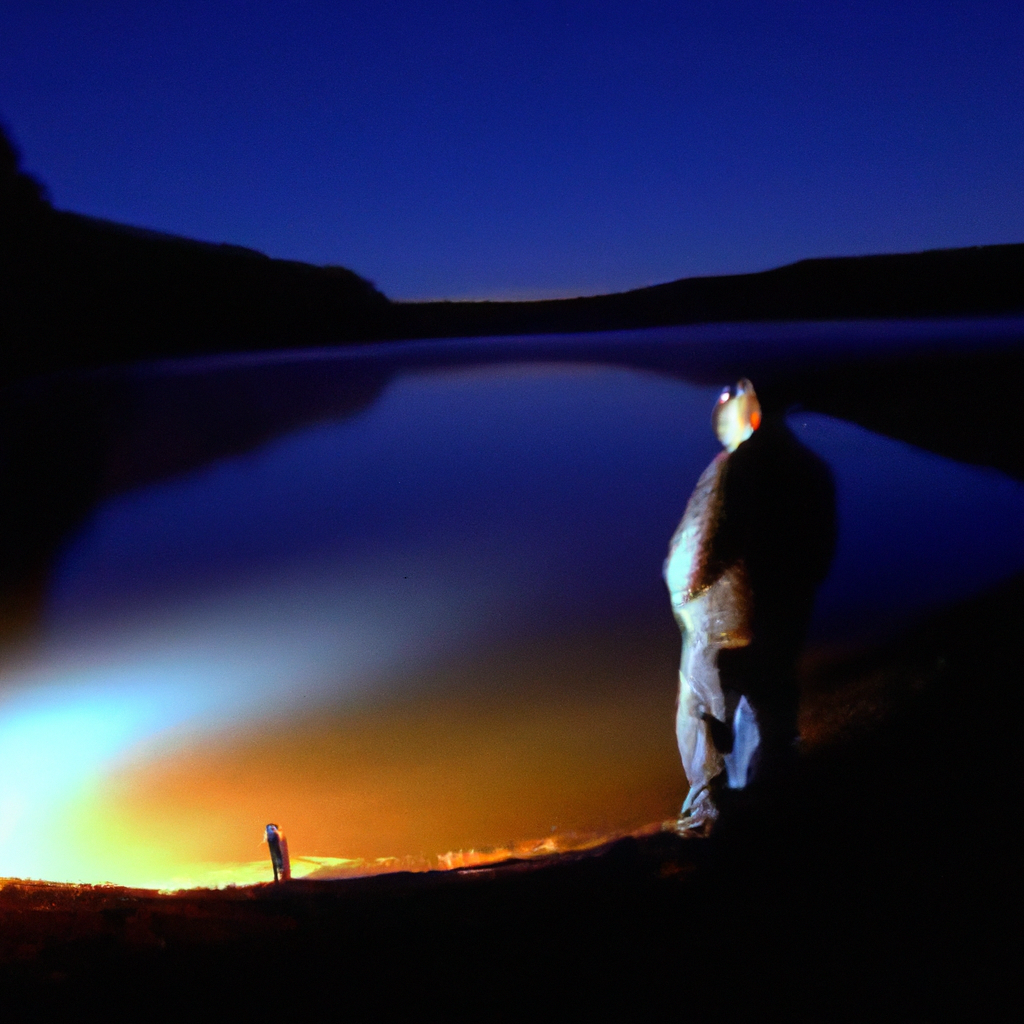
Safety should always be a priority when engaging in any outdoor activity, and night fishing is no exception. Take the necessary precautions to stay safe throughout your fishing trip:
Always Wear a Life Jacket
If you’re fishing from a boat or in areas with deep water, wearing a life jacket is essential. Even experienced swimmers should prioritize safety by wearing a flotation device that fits properly. Accidents can happen, and a life jacket can be a lifesaver.
Use Lights and Reflective Gear
Be visible to other boaters or anglers by using lights and reflective gear. Attach reflective tape to your clothing or equipment and use a headlamp or flashlight to make yourself more visible in the dark. This precaution helps prevent collisions and ensures the safety of everyone on the water.
Watch for Hazards and Obstacles
When fishing at night, it’s important to be aware of potential hazards and obstacles that may be less visible in the dark. Watch out for submerged rocks, fallen branches, or any other obstructions that may pose a threat to your safety. Take your time while navigating and use caution to avoid unnecessary accidents.
Buddy System for Night Fishing
Night fishing is always safer with a fishing buddy. Fishing alone at night can be more risky, so it’s best to have a companion for added safety. If fishing alone is your only option, make sure to follow the other safety precautions and stay in constant communication with someone back home.
Avoid Alcohol Consumption
While it may be tempting to indulge in a few drinks while enjoying a peaceful night by the water, it’s crucial to avoid alcohol consumption. Alcohol impairs judgment, reaction time, and coordination, all of which can significantly increase the risk of accidents or injuries. Stay sober and focused on your fishing activities.
Be Mindful of Wildlife
Nature comes alive at night, and you may encounter various wildlife during your fishing trip. Be respectful of the creatures that call these fishing spots their home. Keep a safe distance from any wildlife you encounter and avoid disturbing their habitats. This not only ensures your safety but also maintains the natural balance of the ecosystem.
Tips for Better Night Fishing
If you’re looking to up your night fishing game, consider implementing these tips:
Fish During Prime Feeding Times
Research and understand the feeding behaviors of the fish species you’re targeting. Many species have specific feeding patterns during the night, and they are more likely to be active during certain periods. Fish during these prime feeding times to increase your chances of success.
Experiment with Different Baits
Don’t be afraid to try new baits and experiment with different presentations. For some species, live bait can be highly effective, while others may be enticed by artificial lures. Keep an open mind and be willing to adapt your approach to find what works best in your fishing spot.
Use Aromatic Baits or Attractants
Nighttime fishing often relies on attracting fish to your bait or lure. Incorporate aromatic baits or attractants to enhance your chances of enticing fish in the dark. Certain scents can be irresistible to nocturnal predators, providing you with an advantage.
Cast Near Cover or Structures
Fish are more likely to seek shelter and cover during the dark hours. Target areas near structures, such as submerged logs, weed beds, or rock formations. Casting your bait or lure near these areas increases your chances of encountering active fish in search of prey.
Keep Your Fishing Area Quiet
Maintaining a quiet fishing area is essential for not spooking nearby fish. Avoid loud conversations, slamming equipment, or excessive movement that could scare away the fish. By minimizing noise disturbance, you create an environment where fish feel more comfortable and are more likely to bite.
Monitor Your Fishing Line
Nighttime fishing can make it challenging to detect subtle bites. Use a small bell or a line alarm that attaches to your fishing line. This will alert you when a fish bites, ensuring you don’t miss out on any opportunities to hook a catch.
Increasing Visibility in the Dark
Enhancing your visibility at night can greatly improve your fishing experience. Here are some methods to increase visibility in the dark:
Using Submersible LED Lights
Submersible LED lights are an excellent solution to illuminate the water around your fishing spot. These lights attract plankton and small baitfish, which, in turn, can attract larger predatory fish. Attach LED lights to your fishing line or use submersible lights to enhance your visibility and attract fish to your area.
Installing Illuminated Rod Tips
Consider using fishing rods with illuminated tips. These rods feature small LED lights built into the tip, making it easier to track your line and detect bites. Illuminated rod tips can be particularly useful when fishing in complete darkness.
Using Glow Sticks or Lighted Bobbers
Attach glow sticks or lighted bobbers to your fishing line to easily track the movement of your bait or lure. These glow sticks provide a visual indicator when a fish takes the bait, ensuring you can react quickly and efficiently.
Wearing Polarized Sunglasses
Polarized sunglasses not only protect your eyes from UV rays but also improve visibility in low-light conditions. They reduce glare from the water’s surface, allowing you to see more clearly below the waterline. Invest in a pair of polarized sunglasses to enhance your night fishing experience.
Avoiding Common Night Fishing Mistakes
To make the most of your night fishing adventures, it’s important to avoid common mistakes that can hinder your success. Here are some pitfalls to steer clear of:
Not Bringing Spare Batteries
Running out of battery power for your lights or electronic devices can put a major damper on your fishing trip. Always bring spare batteries for your flashlights, headlamps, or any other electronic gear you use during the night. Being prepared ensures you won’t be left in the dark.
Loud Noises and Excessive Movement
Noise and excessive movement can easily spook fish, especially in quiet nighttime environments. Stay as quiet as possible and minimize unnecessary movements. This allows fish to approach your bait or lure without feeling threatened.
Not Using Proper Lighting
Insufficient or improper lighting can make night fishing challenging and even dangerous. Ensure you have adequate lighting to navigate your fishing area and read your equipment. Proper lighting will help you avoid accidents and enhance your overall experience.
Leaving Trash or Fishing Line Behind
Remember to leave your fishing spot in the same or better condition than you found it. Always clean up after yourself and properly dispose of any trash or fishing line. Leaving behind trash not only damages the environment but also negatively impacts the fishing experience for others.
Not Adapting to Changing Conditions
Fishing conditions can change rapidly, even during the night. Adjust your fishing techniques and gear as needed to adapt to the changing conditions. Staying flexible and open to trying new approaches will ultimately improve your chances of success.
Ignoring Safety Precautions
Night fishing can be exhilarating, but it’s essential to prioritize safety. Ignoring safety precautions, such as not wearing a life jacket or failing to use proper lighting, can lead to accidents or injuries. Always stay vigilant, follow safety guidelines, and prioritize your well-being.
Troubleshooting Night Fishing Challenges
Despite your best efforts, you may encounter challenges while night fishing. Here are some common issues and tips to overcome them:
Fish Not Biting
If you’re not getting any bites, consider changing your bait, lure, or fishing location. Experiment with different techniques, retrieval speeds, or depths until you find what works best. Sometimes, a small adjustment can make a significant difference in enticing fish to bite.
Handling Snags and Tangles in the Dark
Snags and tangles are frustrating, especially in low-light conditions. Carry a small flashlight or headlamp to help you see and untangle any knots or snags. Additionally, practice casting techniques that minimize the chances of getting tangled in the first place.
Fishermen’s Navigation Tips
Navigating effectively in the dark can be challenging, both on land and on water. Mark your fishing spot with reflective tape or glow sticks to make it easier to locate. Use landmarks or GPS devices to guide you back to your starting point when you’re ready to leave.
Dealing with Equipment Malfunctions
No matter how well-prepared you are, equipment malfunctions can happen. Carry a small repair kit, including spare parts, to fix any issues that may arise. Additionally, familiarize yourself with basic troubleshooting techniques for your fishing gear.
Reducing the Risk of Fishing Accidents
To reduce the risk of accidents, always exercise caution and be aware of your surroundings. Avoid rushing or making sudden movements, as they can lead to slips, falls, or other accidents. Take your time when handling hooks and sharp objects, and handle fish with care to avoid injuries.
Conclusion
Night fishing offers a unique and exciting experience for anglers. By choosing the right location, equipping yourself with essential gear, and mastering key techniques, you can enhance your chances of success and maximize your enjoyment. Remember to prioritize safety, follow regulations, and respect the environment to ensure a memorable night fishing adventure. With these tips and guidelines in mind, you’re ready to embark on your nighttime angling journey. Happy fishing!