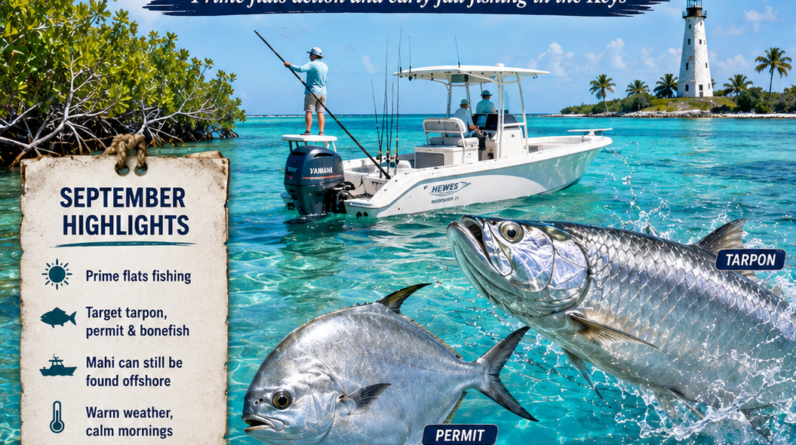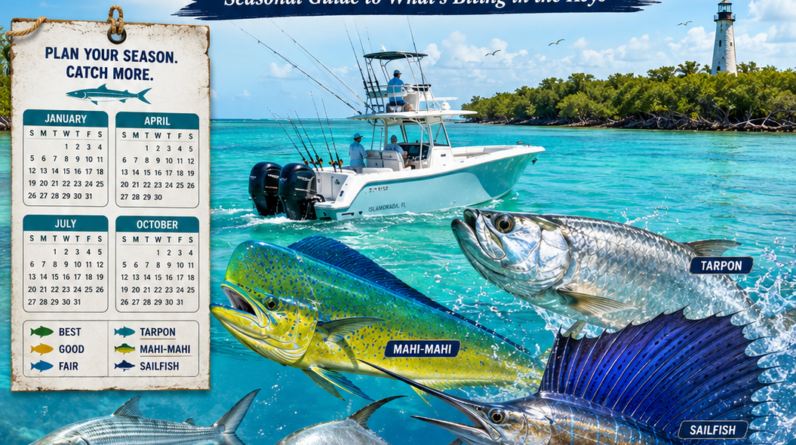


Are you a passionate angler looking for the perfect fishing spot? Look no further than the Florida Keys in April. With its crystal-clear waters, abundant marine life, and picturesque scenery, the Florida Keys offer an unforgettable fishing experience. Whether you’re a seasoned pro or a novice fisherman, April is an excellent time to visit. From offshore to backcountry fishing, the Keys provide a diverse range of fishing opportunities. Get ready to cast your line and reel in some exciting catches during your fishing adventure in the Florida Keys this April.

Table of Contents
Best Fishing Spots in the Florida Keys
Marathon
Marathon is known for its excellent fishing opportunities, making it a favorite destination for anglers from all over the world. The abundance of fish species in the area makes it a haven for both beginners and experienced fishermen. Whether you prefer offshore or inshore fishing, Marathon has it all. You can cast your line in the turquoise waters of the Gulf Stream or explore the nearby flats, channels, and bridges. Some popular catches in Marathon include tarpon, bonefish, permit, mahi-mahi, and mutton snapper.
Islamorada
Considered the sport fishing capital of the world, Islamorada is a dream come true for any angler. This beautiful chain of islands offers a wide variety of fishing spots, from backcountry channels to deep-sea waters. You can choose to fish along the flats for bonefish and permit, or venture offshore for a chance to catch mahi-mahi, sailfish, or even marlin. Islamorada is also known for its numerous fishing tournaments throughout the year, which attract anglers of all skill levels.
Key West
Key West, the southernmost point of the continental United States, is not only famous for its stunning beaches and vibrant nightlife but also for its exceptional fishing opportunities. The waters surrounding Key West are teeming with a diverse range of fish species, making it a favorite destination among avid anglers. Whether you want to go deep-sea fishing for big game fish like tarpon and mahi-mahi, or prefer to explore the shallow flats for bonefish and permit, Key West has it all. The warm Gulf Stream currents provide an ideal breeding ground for many fish species, ensuring that you’ll have a memorable fishing experience.
Big Pine Key
Big Pine Key is a hidden gem in the Florida Keys, offering anglers a tranquil and picturesque setting for their fishing adventures. This charming island is known for its abundance of bonefish, tarpon, and permit, making it a paradise for fly fishing enthusiasts. The crystal-clear waters surrounding the island provide excellent visibility, allowing you to spot your target fish with ease. Big Pine Key is also home to the famous Bahia Honda Bridge, a popular fishing spot for locals and tourists alike.
Duck Key
If you’re looking for a fishing spot that offers a little bit of everything, Duck Key should be at the top of your list. Situated between Marathon and Islamorada, this small island offers a unique blend of offshore and backcountry fishing opportunities. You can charter a boat for some deep-sea fishing and target species like mahi-mahi, tuna, and wahoo, or explore the shallower waters for bonefish, permit, and tarpon. Duck Key is also known for its beautiful coral reefs, making it a great destination for snorkeling and diving enthusiasts.
Top Fish Species to Target in April
Tarpon
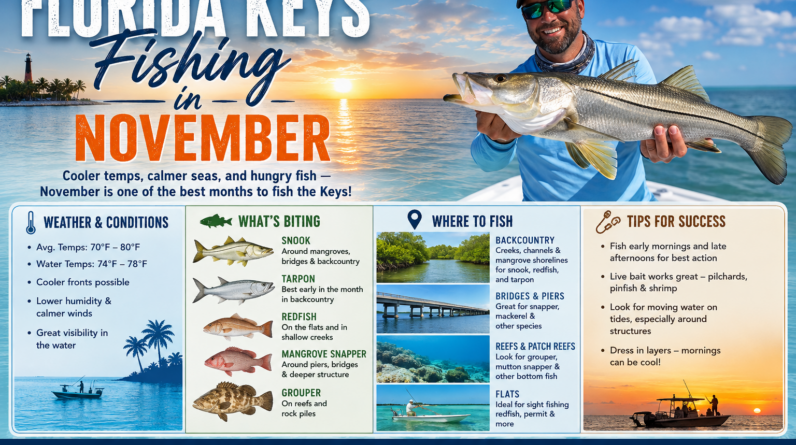
April is an excellent time to target tarpon in the Florida Keys. These powerful game fish are known for their acrobatic jumps and fierce fights. You can find tarpon in both the backcountry and nearshore waters, with some of the best spots being the channels and flats around Islamorada and Key West. When targeting tarpon, it’s important to use live bait such as mullet or crabs and be prepared for a battle that can last for hours.
Bonefish
Bonefish are another popular fish species to target in April. These elusive creatures can be found in the shallow flats and sandy bottoms of the Florida Keys. They are known for their speed and agility, making them a challenging catch. When targeting bonefish, it’s important to have a good pair of polarized sunglasses to spot them in the clear waters. Shrimp and crab imitations are popular bait choices for this species.
Permit
April is also a great time to go after permit in the Florida Keys. These highly sought-after fish are known for their beauty and tenacity. They can be found in both the flats and deeper waters, often near wrecks and structures. Permit have a keen sense of smell, so using live crabs or crab imitations as bait can increase your chances of success. Patience and precise casting are key when targeting permit.
Mahi-Mahi
Mahi-mahi, also known as dolphin fish, are abundant in the warm waters of the Florida Keys in April. These colorful and fast-swimming fish are a delight to catch. You can find them offshore, particularly near weed lines, floating debris, and current edges. Mahi-mahi are voracious feeders, so using brightly colored lures or live baits like ballyhoo can attract their attention. When hooked, they often put up a thrilling fight with acrobatic jumps and powerful runs.
Mutton Snapper
Mutton snapper are a popular target species in April, known for their delicious taste and impressive size. These bottom-dwelling fish can be found near reefs, wrecks, and offshore structures. They are typically caught using cut bait, such as ballyhoo or squid, and live bait like pinfish or pilchards. Mutton snapper are known for their cautious feeding behavior, so it’s important to use a light line and a stealthy approach to increase your chances of success.
Fishing Techniques for April in the Florida Keys
Fly Fishing
Fly fishing is a popular technique for targeting species like bonefish, tarpon, and permit in the Florida Keys. The clear and shallow waters of the flats provide an ideal environment for fly anglers. When fly fishing, it’s important to make accurate casts and present your fly in a natural manner to entice the fish. Using lightweight gear and having good casting skills are essential for a successful fly fishing trip.
Bottom Fishing
Bottom fishing is a versatile technique that can be used to target a variety of fish species in the Florida Keys. This technique involves dropping your baited hook to the bottom of the ocean floor and waiting for fish to bite. Bottom fishing can be done from a boat or from the shore, depending on the species you’re targeting. It’s important to use the right weight and size of sinkers to keep your bait close to the bottom and adjust your fishing technique based on the behavior of the fish.
Trolling
Trolling is a popular technique for targeting pelagic species like mahi-mahi, tuna, and sailfish in the Florida Keys. This technique involves dragging baits or lures behind a moving boat at varying speeds. It’s important to adjust the depth and speed of your trolling based on the target species and the conditions. Using a combination of natural or artificial baits can increase your chances of attracting fish. Trolling allows you to cover a larger area, increasing your chances of encountering fish.
Wreck Fishing
Wreck fishing involves targeting fish species that inhabit sunken ships, reefs, and other underwater structures. The Florida Keys are home to numerous wrecks that serve as havens for a variety of fish. When wreck fishing, it’s important to use heavy tackle and strong lines, as these fish often put up a strong fight. Live bait or cut bait can be used to attract fish that are hiding in the structure. It’s important to navigate carefully around wrecks to avoid damaging them and to practice responsible angling.
Flats Fishing
Flats fishing is a popular technique in the Florida Keys, particularly for targeting species like bonefish, permit, and tarpon. This technique involves fishing in shallow, sandy areas known as flats, where fish often feed and search for prey. Flats fishing requires stealth and accurate casting, as fish in these areas can be easily spooked. Using live baits or artificial lures that mimic the local prey can increase your chances of success.
Weather Conditions and Tide Considerations
Wind and Sea Conditions
Being aware of the wind and sea conditions is crucial when planning a fishing trip in the Florida Keys. Windy conditions can make it difficult to navigate the waters and affect the behavior of fish. It’s important to check the local weather forecast and wind reports before heading out. If the winds are too strong, it may be necessary to reschedule or choose a fishing spot that provides shelter from the wind. Additionally, rough sea conditions can make it dangerous to be out on the water, so it’s important to prioritize safety.
Temperature
Temperature plays a significant role in fish behavior and feeding patterns. In April, the temperatures in the Florida Keys are warm and comfortable, ranging from the mid-70s to low 80s Fahrenheit. This pleasant weather encourages fish activity and makes for an enjoyable fishing experience. However, it’s important to keep in mind that different fish species have different temperature preferences, so it’s always a good idea to research the specific species you’re targeting and their preferred temperature ranges.
Tide Charts
Understanding the tides and their effect on fish behavior is essential for a successful fishing trip. Tides can influence fish feeding patterns and determine where they congregate. The Florida Keys have a unique tidal pattern, with two high tides and two low tides occurring each day. Consult tide charts to determine the best times to fish in a particular area and plan your fishing outings accordingly. Fishing during the incoming tide can often be productive, as it brings in fresh water and nutrients, attracting fish to feeding areas.
Guides and Charters
Choosing the Right Guide
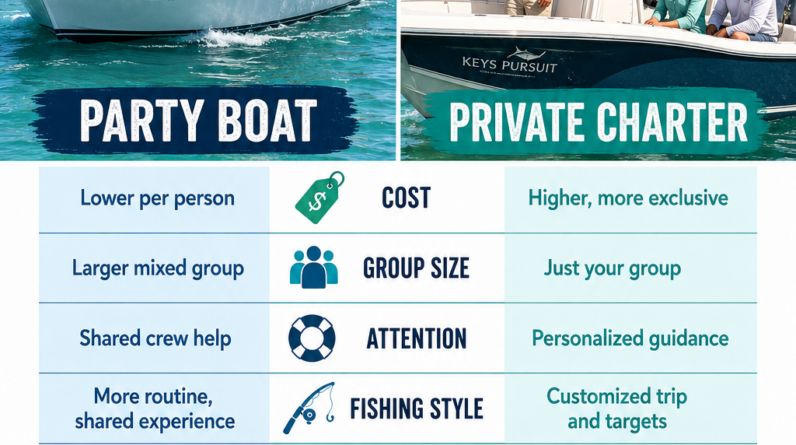
When it comes to fishing in the Florida Keys, hiring a guide can greatly enhance your fishing experience. A competent and knowledgeable guide can help you navigate the vast fishing grounds, provide valuable insights and tips, and increase your chances of catching fish. When choosing a guide, consider their experience, reputation, and knowledge of the local waters. It’s also helpful to read reviews and testimonials from previous clients. Personal recommendations from fellow anglers can also be valuable in selecting the right guide for your needs.
Different Charter Options
There are various charter options available in the Florida Keys, catering to different preferences and budgets. Full-day charters typically last around 8 hours and offer the opportunity to explore a wider range of fishing spots. Half-day charters are shorter and can be a good option for those with limited time or beginners who want a taste of fishing in the area. Some charters specialize in specific fishing techniques or target specific fish species, so it’s important to choose one that aligns with your interests and goals.
Booking in Advance
Given the popularity of fishing in the Florida Keys, it’s advisable to book your fishing charter in advance, especially during peak seasons. Many guides and charters offer online booking options, allowing you to secure your preferred date and time with ease. Booking in advance also gives you the opportunity to communicate any specific requirements or preferences you may have, ensuring that your fishing trip is tailored to your needs.
Fishing Regulations and Licenses
Florida Fishing Regulations
As an angler in the Florida Keys, it’s important to familiarize yourself with the fishing regulations set by the Florida Fish and Wildlife Conservation Commission (FWC). These regulations are in place to protect fish populations and ensure sustainable fishing practices. Regulations may include size limits, bag limits, and seasonal closures for certain fish species. It is your responsibility to know and adhere to these regulations to avoid penalties and contribute to the conservation efforts of the area.
Fishing Licenses
To legally fish in the Florida Keys, you must have a valid fishing license, unless you are exempt by certain criteria, such as being under a certain age or fishing from a licensed charter boat. Licenses can be obtained online through the FWC website or at authorized license agents throughout the state. It’s crucial to have your fishing license with you while fishing and to display it if requested by law enforcement or FWC officials.
Size and Bag Limits
Size and bag limits are regulations that restrict the number and size of fish that can be harvested. These limits are in place to protect fish populations and ensure sustainable fishing practices. It’s important to check the specific size and bag limits for the fish species you plan to target, as they can vary based on the species, location, and time of year. By adhering to these limits, you contribute to the conservation efforts in the Florida Keys and help preserve the fish populations for future generations.
Preparing for Your Fishing Trip
Gear Checklist
Before embarking on your fishing trip, it’s important to ensure that you have all the necessary gear. Create a checklist to make sure you don’t forget any essentials. Some items to include on your gear checklist are fishing rods and reels, appropriate fishing lines, hooks, sinkers, bait or lures, a landing net, a cooler or fish bag, a first aid kit, and a tackle box to keep everything organized. It’s also a good idea to bring a waterproof bag or box to protect your valuables from water damage.
Clothing and Accessories
Preparing suitable clothing and accessories is essential for a comfortable and enjoyable fishing trip. The Florida Keys have a tropical climate, so lightweight and breathable clothing is recommended. Opt for long-sleeved shirts, wide-brimmed hats, and sunglasses to protect yourself from the sun’s rays. Wearing sunscreen with a high SPF is crucial to protect your skin from harmful UV rays. Don’t forget to pack a rain jacket or poncho in case of unexpected showers. Comfortable shoes with non-slip soles are important for safety onboard the boat.
Bringing Snacks and Drinks
It’s important to stay hydrated and fueled during your fishing trip. Pack plenty of water or other non-alcoholic drinks to keep yourself hydrated throughout the day. Bring a variety of snacks like energy bars, fruits, sandwiches, and nuts to keep your energy levels up. Fishing can be physically demanding, and having snacks readily available ensures that you can maintain your focus and stamina throughout the trip.
Sunscreen and Protection
Spending hours under the sun while fishing can lead to sunburn and skin damage. Applying sunscreen generously and regularly is essential to protect your skin from harmful UV rays. Choose a sunscreen with a high SPF and consider wearing protective clothing like long-sleeved shirts and hats to provide added sun protection. Don’t forget to protect your lips with a lip balm that contains SPF. Taking these precautions will help you avoid painful sunburns and long-term skin damage.
Boat Etiquette
When fishing on a boat, it’s important to practice good boat etiquette to ensure a safe and enjoyable experience for everyone onboard. Respect the captain or guide’s instructions and follow their rules for handling fishing equipment and navigating the boat. Keep noise levels to a minimum and avoid disturbing other anglers. Clean up after yourself and dispose of any trash responsibly. Be courteous to fellow anglers and offer assistance when needed. By practicing good boat etiquette, you contribute to a positive fishing experience for everyone involved.
Tips for a Successful Fishing Experience
Researching the Area
Before your fishing trip to the Florida Keys, take the time to research the area you plan to fish in. Familiarize yourself with the local fishing regulations, target species, and popular fishing spots. Study maps, fishing reports, and online resources to gain insights into the best techniques, baits, and times to fish. Researching the area will help you plan your trip effectively and increase your chances of success.
Listening to Local Advice
When fishing in a new location, it’s always valuable to listen to local advice. Whether it’s from fellow anglers, guides, or tackle shops, locals can provide insider tips and recommendations based on their firsthand experience. They can share insights into the best spots, techniques, and bait choices for the current conditions. Being open to local advice can greatly enhance your fishing experience and help you discover hidden gems that you may have otherwise overlooked.
Being Patient
Fishing requires patience and perseverance. Not every day will be a record-breaking catch, and sometimes you may come back empty-handed. It’s important to stay positive and enjoy the process. Remember that fishing is not just about the final outcome but about the experience itself. Embrace the serenity of the water, appreciate the beauty of nature, and savor the moments of anticipation. Patience is often rewarded, and a successful fishing experience is about much more than the number of fish you catch.
Adapting to Conditions
Flexible and adaptable fishing techniques and strategies are crucial for success. Fishing conditions can change rapidly, so it’s important to be able to adjust your approach accordingly. If the fish aren’t responding to a particular bait or fishing technique, don’t be afraid to switch things up and try something new. Pay attention to the behavior of the fish, the water conditions, and the advice of local experts to make informed decisions. Being adaptable and willing to experiment can lead to unexpected successes.
Enjoying the Experience
Above all, remember to enjoy the experience of fishing in the Florida Keys. The stunning natural beauty, the sense of adventure, and the thrill of the catch all contribute to a memorable trip. Take a moment to appreciate the unique ecosystem and the diverse marine life that inhabit the area. Cherish the time spent with friends, family, or fellow anglers, creating bonds and making memories. Fishing is not just a sport but a way to connect with nature and disconnect from the hustle and bustle of daily life.
Other Activities in the Florida Keys
Snorkeling and Diving
The Florida Keys are renowned for their stunning coral reefs and vibrant marine life, making them a paradise for snorkeling and diving enthusiasts. Explore the underwater world and encounter colorful fish, turtles, rays, and even shipwrecks. The crystal-clear waters and warm temperatures provide excellent visibility and a comfortable environment for snorkeling and diving year-round. Whether you’re a beginner or an experienced diver, there are numerous dive operators and snorkeling spots to choose from in the Florida Keys.
Exploring National Parks
The Florida Keys are home to several national parks and protected areas, each offering unique opportunities to explore nature and learn about the local ecosystem. Visit the Dry Tortugas National Park to discover an uninhabited group of islands known for their rich history and pristine coral reefs. Explore the Everglades National Park, a UNESCO World Heritage Site, to witness the diverse wildlife and unique ecosystem of the largest subtropical wilderness in the United States. Take advantage of the numerous hiking trails, kayak routes, and educational programs available in these parks to fully immerse yourself in the natural beauty of the Florida Keys.
Visiting Key West Attractions
Key West, the vibrant and eclectic hub of the Florida Keys, offers a wide array of attractions and activities beyond fishing. Explore the picturesque streets of Old Town Key West, known for its charming Victorian architecture and vibrant atmosphere. Take a stroll along Duval Street, lined with shops, restaurants, and lively bars. Visit the Ernest Hemingway Home and Museum to learn about the renowned author’s life and see the descendants of his beloved six-toed cats. Enjoy the stunning sunset at Mallory Square and watch street performers and musicians entertain the crowd. Key West offers something for everyone, from history and culture to vibrant nightlife and unique street art.
Dining and Nightlife
The Florida Keys are not only a paradise for fishing and outdoor activities but also a culinary destination. Seafood lovers will be delighted by the fresh and delicious seafood options available throughout the islands. Indulge in local specialties like key lime pie, conch fritters, and spiny lobster. From casual beachside seafood shacks to upscale waterfront restaurants, there’s a dining experience to suit every taste and budget. After a day of fishing and exploring, unwind and enjoy the vibrant nightlife scene of the Florida Keys. From lively bars and live music venues to intimate jazz lounges and beachfront bonfires, there’s no shortage of entertainment options to end your day on a high note.
Conservation Efforts in the Florida Keys
Protecting Coral Reefs
Coral reefs are one of the most precious and fragile ecosystems in the world, and the Florida Keys are home to the only living coral barrier reef in the continental United States. It’s essential to take steps to protect and preserve these delicate reef systems. When snorkeling or diving, avoid touching or standing on the coral, as it can cause irreparable damage. Use reef-safe sunscreen to prevent harmful chemicals from entering the water and harming marine life. Support local organizations and initiatives dedicated to coral reef conservation and participate in beach clean-ups to keep the coastline and surrounding waters clean.
Preserving Inshore Habitats
The inshore habitats of the Florida Keys, including the flats, seagrass beds, and mangrove forests, are vital ecosystems that support a diverse range of marine life. To preserve these habitats, it’s important to practice responsible angling. Use barbless hooks to minimize harm to fish and release all non-target species with care. Avoid anchoring on seagrass beds, as they provide nurseries and feeding grounds for many fish species. Be mindful of your impact on these fragile ecosystems and take steps to protect them for future generations to enjoy.
Responsible Fishing Practices
Responsible fishing practices are essential for the long-term sustainability of the fish populations in the Florida Keys. Practice catch and release whenever possible, especially for species with size or bag limits. Handle fish with wet hands to minimize damage to their protective slime coating. Use circle hooks instead of J-hooks, as they are more likely to hook the fish in the corner of the mouth, reducing injury and mortality. Dispose of fishing lines and other trash responsibly to prevent entanglement of marine life. By following these practices, you contribute to the conservation efforts and help ensure that future generations can enjoy the incredible fishing opportunities in the Florida Keys.