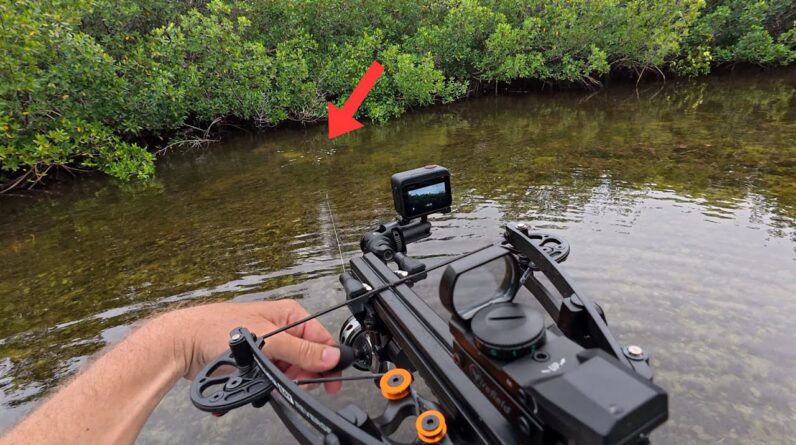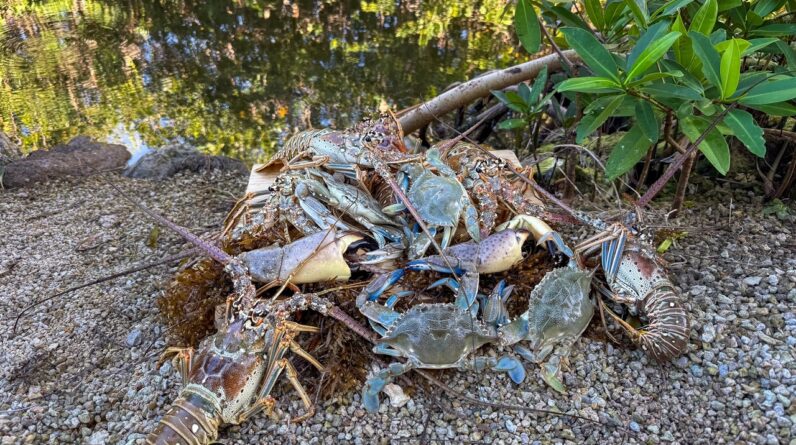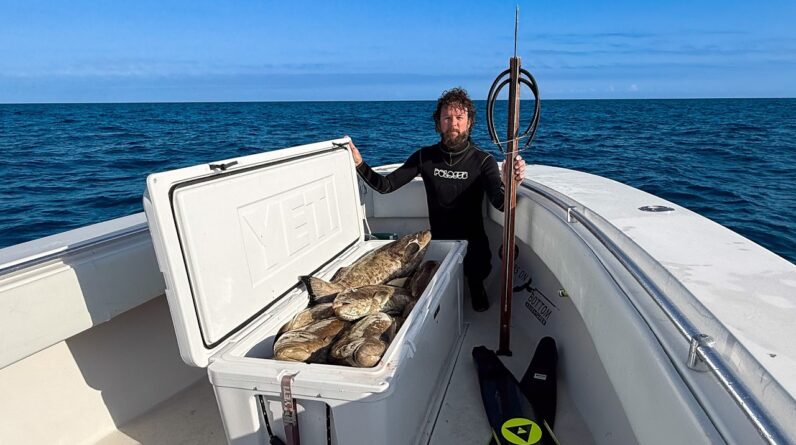


Step into the captivating world of the Florida Keys, where the lush greenery of the mangroves holds secrets waiting to be unraveled. In our article, “Exploring the Enigma: The Mystique of the Mangroves and its Impact on Fishing in the Florida Keys,” we invite you to embark on a journey through these remarkable ecosystems and discover the profound influence they have on the fishing industry. Get ready to delve into the mysteries of the mangroves, as we unravel their enigmatic charm and explore their vital role in shaping the fishing experience in the Florida Keys.
Table of Contents
Key 1: Introduction to Mangroves
Importance of mangroves in Florida Keys
Mangroves are a vital part of the coastal ecosystem in the Florida Keys, playing a crucial role in maintaining the balance and sustainability of the region. These unique trees have adapted to thrive in the challenging and dynamic coastal environment, creating a habitat that supports diverse marine life. The root systems of mangroves provide shelter, feeding grounds, and breeding areas for numerous species, making them essential for the survival and abundance of fish populations. Additionally, mangroves act as a buffer against erosion and storm surge, protecting the coastlines and mitigating the impacts of tropical storms and hurricanes.
Characteristics and types of mangroves
There are several species of mangroves found in the Florida Keys, each with its distinct characteristics and adaptations. The three most common types of mangroves in the region are the red mangrove (Rhizophora mangle), black mangrove (Avicennia germinans), and white mangrove (Laguncularia racemosa). Red mangroves are easily identifiable by their aerial prop roots that anchor the tree in the muddy soil and provide stability. Black mangroves, on the other hand, have unique pneumatophores, which are specialized root structures that allow the tree to obtain oxygen in waterlogged soil. White mangroves have small, rounded leaves and lack prominent prop roots or pneumatophores. Each species has its own ecological niche and contributes to the overall diversity and functioning of the mangrove ecosystem.
Role of mangroves in coastal ecosystems
Mangroves are the foundation of productive coastal ecosystems, acting as nurseries and habitats for a wide variety of fish and other marine organisms. The intricate network of prop roots and submerged vegetation provides shelter and protection for juvenile fish, allowing them to grow and develop away from larger predators. The dense canopy formed by mangrove trees also serves as a natural filtering system, trapping sediments and pollutants before they reach the open ocean. Additionally, mangroves are highly efficient at storing carbon dioxide, mitigating the effects of climate change and contributing to the overall health of the planet. Overall, mangroves play a crucial role in supporting the biodiversity and resilience of coastal ecosystems in the Florida Keys.
Key 2: Fishing in the Florida Keys
Popular fishing destinations in the Florida Keys
The Florida Keys is renowned as a premier fishing destination, attracting anglers from all over the world. With its abundance of diverse habitats, including mangroves, flats, reefs, and deep-sea waters, the region offers a wide range of fishing opportunities. Some popular fishing destinations in the Florida Keys include the Backcountry, which encompasses the mangrove-lined waters of Florida Bay and the Everglades National Park, as well as the Marquesas Keys, known for its pristine coral reefs and abundant fish populations. Other popular spots include Islamorada, Key West, and Big Pine Key, each offering unique fishing experiences and a chance to catch a variety of species.
Diverse fish species found in the area
The Florida Keys is home to a rich diversity of fish species, attracting anglers with its impressive variety and abundance. In the mangrove areas, anglers can target species such as snook, tarpon, redfish, and spotted seatrout, which are commonly found hiding among the prop roots and submerged vegetation. These species are highly sought after for their fighting ability and the thrill they provide to anglers. In addition to these game fish, mangrove habitats also support a wide range of invertebrates, such as shrimp, crabs, and baitfish, which serve as essential food sources for larger predatory species. The diversity of fish species in the Florida Keys makes it a paradise for anglers of all skill levels.
Economic significance of fishing in the region
Fishing is not only a popular recreational activity in the Florida Keys but also a major contributor to the local economy. The region’s reputation as a world-class fishing destination attracts thousands of anglers each year, who spend money on accommodations, charters, gear, and other related services. The tourism industry that revolves around fishing supports numerous businesses, including hotels, restaurants, bait and tackle shops, and fishing guides. Furthermore, the commercial fishing industry in the Florida Keys plays a significant role in providing fresh seafood to both the local community and markets outside the region. The economic significance of fishing in the Florida Keys cannot be overstated, making the preservation and sustainability of its fisheries a top priority.

Key 3: The Intricate Relationship between Mangroves and Fishing
Mangroves as fish nurseries and habitats
Mangroves serve as crucial nurseries for many fish species found in the Florida Keys. The prop roots and submerged vegetation provide excellent hiding places for juvenile fish, protecting them from larger predators while they grow and develop. The complex network of mangrove roots also traps organic matter, which serves as a source of food for many species. In addition to nurseries, mangroves also provide habitats for adult fish throughout their life cycles. The roots and branches of mangroves offer shelter, feeding areas, and breeding grounds for a wide range of fish species, creating a thriving ecosystem within the mangrove forests.
Benefits of mangroves for fish populations
The presence of mangroves in the Florida Keys offers numerous benefits to fish populations and the overall health of the marine ecosystem. The intricate root systems of mangroves provide essential structure and cover, which are vital for fish to hide from predators and ambush their prey. The prop roots also trap fallen leaves and detritus, creating a rich food source for invertebrates, which in turn attract larger predatory fish. Mangroves also help regulate water temperature and salinity, providing optimal conditions for various fish species. The protection provided by mangroves during storms and hurricanes is crucial for the survival of fish populations, as it reduces the impacts of strong currents and sedimentation.
How mangroves enhance fishing opportunities
Mangroves enhance fishing opportunities by creating an ecosystem teeming with fish and other marine life. The dense prop roots and submerged vegetation offer prime fishing spots, where anglers can target a variety of species. Fishing among the mangroves provides a unique and challenging experience, as anglers need to navigate through the complex maze of roots and cast their lines precisely to entice the fish hiding within. Additionally, the sheltered areas provided by mangroves offer calm and protected waters, making it an excellent choice for beginners or those who prefer a more relaxing fishing experience. The presence of mangroves undoubtedly enhances the fishing opportunities and adds to the allure of fishing in the Florida Keys.
Key 4: Understanding the Enigma: Mystique of the Mangroves
Historical and cultural significance of mangroves
Mangroves hold immense historical and cultural significance in the Florida Keys, shaping the region’s identity and way of life. Native American tribes, such as the Calusa and Tequesta, depended on mangroves for their survival, utilizing the resources they provided for food, tools, and shelter. Sailors and explorers throughout history recognized the importance of mangroves as navigational landmarks and sources of fresh water. Today, mangroves are revered for their beauty and ecological value, drawing artists, photographers, and nature enthusiasts who seek to capture the mystique and serenity of these unique ecosystems.
Unique characteristics and adaptations of mangroves
Mangroves are remarkable trees that have evolved remarkable adaptations to their coastal surroundings. The ability to tolerate high salinity levels, periodic flooding, and oxygen-deprived soils sets mangroves apart from other trees. One of the most fascinating adaptations of mangroves is their ability to exclude salt from their systems. They do this by removing salt from the water they absorb through their roots and secrete it through specialized glands on their leaves. Additionally, the prop roots and pneumatophores of mangroves facilitate gas exchange, as they allow oxygen to reach the submerged roots in waterlogged soil. These unique characteristics and adaptations make mangroves true marvels of nature.
Mysterious allure and beauty of mangrove forests
Mangrove forests possess a mysterious allure and captivating beauty that captivates anyone who sets foot within their boundaries. The interplay of light and shadows caused by the dense canopy above creates an enchanting atmosphere, providing a respite from the intense tropical sun. As you navigate through the labyrinth of prop roots, an array of colors and textures greets your eyes, with various species of plants and animals coexisting in perfect harmony. The sound of rustling leaves and chirping birds fills the air, further immersing you in the enchanting experience. Whether exploring the winding channels by kayak or simply strolling along a boardwalk, the allure and beauty of mangrove forests leave a lasting impression on all who venture into this captivating world.

Key 5: Mangroves as Ecosystem Engineers
Impact of mangroves on coastal erosion and storm protection
Mangroves play a vital role in mitigating coastal erosion and providing natural storm protection in the Florida Keys. The complex network of roots traps sediments and stabilizes the coastline, preventing erosion caused by wave action and currents. In areas where mangroves have been cleared, the loss of these natural buffers has led to increased vulnerability to erosion and loss of valuable land. Furthermore, mangroves act as a natural barrier during storms and hurricanes, reducing the impact of wind and waves on coastal communities. The intricate structure of mangrove forests helps dissipate the force of incoming waves, minimizing damage and protecting coastal infrastructure.
Mangroves as filters of pollutants and sediments
Mangroves possess a remarkable ability to filter out pollutants and sediments, improving water quality in the coastal ecosystem. As water flows through the tangled root systems, sediments and suspended particles are trapped, preventing them from reaching the open ocean. This filtration process helps maintain the clarity of the water and ensures that essential habitats, such as seagrass beds and coral reefs, are not smothered by sedimentation. Additionally, mangroves absorb excess nutrients, such as nitrogen and phosphorus, which are often introduced into the coastal environment through human activities. By acting as natural filters, mangroves contribute to the overall health and resilience of the coastal ecosystem.
Contribution of mangroves to overall biodiversity
Mangroves are biodiversity hotspots, harboring a wide variety of plant and animal species within their complex ecosystems. The intricate root systems provide microhabitats and niches for numerous organisms, including bacteria, fungi, and small invertebrates. These organisms form the basis of the food web, supporting higher trophic levels and facilitating the transfer of energy within the ecosystem. The mangrove forests also serve as important stopover points and nesting sites for migratory birds, adding to the overall biodiversity of the region. The protection and preservation of mangroves are essential not only for the survival of individual species but also for maintaining the intricate balance and interconnectedness of the entire coastal ecosystem.
Key 6: Conservation Challenges and Protection Efforts
Threats to mangrove ecosystems
Mangrove ecosystems in the Florida Keys face numerous threats that put their survival and health at risk. One of the main threats is habitat loss due to coastal development and urbanization. The clearing of mangroves for construction and infrastructure projects destroys vital habitats and disrupts the delicate balance of the ecosystem. Pollution, including oil spills and runoff from agricultural and urban areas, also poses a significant threat to mangroves. Excess nutrients and pollutants can impair the health of the trees, leading to stunted growth, weakened defenses against disease, and even death. Additionally, climate change and rising sea levels pose a threat to mangroves, as they are highly susceptible to saltwater intrusion and increased storm intensity.
Human activities affecting mangroves in the Florida Keys
Human activities have a profound impact on mangrove ecosystems in the Florida Keys and contribute to their degradation. Overfishing, destructive fishing practices, and illegal harvesting of mangrove trees for timber and firewood can lead to the disruption of ecological processes and the loss of critical habitats. The introduction of invasive species, such as the Brazilian pepper (Schinus terebinthifolia), also threatens the health and biodiversity of mangroves. Moreover, nutrient runoff from agriculture, urban areas, and septic systems can result in algal blooms and water pollution, negatively impacting mangrove health. It is crucial to raise awareness about these issues and implement sustainable practices to ensure the long-term preservation of mangroves.
Conservation initiatives and restoration programs
In response to the threats facing mangrove ecosystems, numerous conservation initiatives and restoration programs have been implemented in the Florida Keys. These efforts aim to protect existing mangrove forests, restore degraded areas, and raise awareness about the importance of mangroves. Local and national organizations, along with government agencies, collaborate to develop comprehensive management plans and regulations to safeguard mangrove habitats. Restoration projects involve replanting mangroves in areas that have been cleared or degraded, promoting the recovery of these valuable ecosystems. Engaging local communities, fishermen, and tourists in conservation efforts is also crucial for the long-term success of mangrove protection and restoration.

Key 7: Techniques and Strategies for Fishing in Mangrove Environments
Best fishing techniques for mangrove areas
Fishing in mangrove environments requires specific techniques and strategies to ensure a successful and enjoyable experience. One effective technique is sight fishing, which involves carefully scanning the shallow waters for signs of fish, such as wakes or tailing activity. Casting accurately and quietly is crucial in this technique, as disturbance can spook the fish and make them less likely to bite. Another effective technique is using topwater lures, which imitate the movements of surface-dwelling prey and can elicit explosive strikes from predatory fish. Fishing around the edges of mangroves or along the channels created by prop roots can also yield good results, as these areas provide cover and ambush points for fish. Adaptability and patience are key when fishing in mangroves, as the fish can be elusive and the environments challenging to navigate.
Tackle and gear considerations
Choosing the right tackle and gear is essential for fishing in mangrove environments. Light to medium spinning or casting rods in the 6 to 7-foot range are suitable for most mangrove fishing situations, as they provide the necessary sensitivity and casting accuracy. The reels should have a smooth drag system and be spooled with braided line for increased sensitivity and abrasion resistance. Fluorocarbon leaders, ranging from 20 to 40-pound test, are recommended to prevent break-offs and provide stealthy presentations. Baits and lures that imitate the natural prey found in mangrove habitats, such as shrimp, crabs, and small baitfish, are highly effective. It is important to check local regulations for any gear restrictions or special considerations when fishing in mangrove areas.
Guidelines for responsible fishing in mangrove ecosystems
Responsible fishing practices are essential for the sustainable enjoyment of mangrove ecosystems. One of the key guidelines is practicing catch and release whenever possible, especially for species that are vulnerable or in decline. Handling fish properly, using barbless hooks, and minimizing the time fish spend out of the water can improve their chances of survival. Anglers should also be mindful of their impact on the habitat and avoid damaging or trampling on the delicate prop roots and submerged vegetation. Adhering to size and bag limits, respecting closed seasons, and obtaining the necessary permits or licenses are important for maintaining healthy fish populations and complying with local regulations. By following these guidelines, anglers can ensure the long-term preservation of mangrove ecosystems and the fish that rely on them.
Key 8: The Future of Mangroves and Fishing in the Florida Keys
Impact of climate change on mangrove ecosystems
Climate change poses significant challenges to the future of mangrove ecosystems in the Florida Keys. Rising sea levels, increased storm intensity, and changing salinity levels threaten the survival and health of mangroves. As sea levels rise, mangroves may become submerged, leading to reduced growth and survival rates. Increased storm intensity and frequency can also cause physical damage to mangrove forests, disrupting their ecological functioning. Furthermore, changing salinity levels due to freshwater scarcity and saltwater intrusion can impact the ability of mangroves to grow and reproduce. Adaptation strategies and proactive measures are crucial to ensure the resilience and long-term survival of mangrove ecosystems in the face of climate change.
Adaptation strategies for fishing communities
Fishing communities in the Florida Keys must adapt to the changing conditions brought about by climate change to ensure the sustainability of their livelihoods. This includes diversification of fishing activities, exploring alternative fishing grounds, and adopting sustainable practices. Fishermen can explore new fishing opportunities in areas with mangroves that are less affected by rising sea levels and storms, adjusting their techniques and gear accordingly. Collaboration between fishermen and scientists is vital for monitoring fish populations, understanding their response to changing environmental conditions, and developing adaptive management strategies. By embracing adaptive measures, fishing communities can continue to thrive while supporting the conservation and preservation of mangrove ecosystems.
Sustainable practices to ensure the future of fishing
Sustainable practices are essential to ensure the future of fishing in the Florida Keys and preserve the valuable resources upon which it depends. This includes practicing selective harvesting, where only mature and abundant species are targeted, while leaving breeding populations untouched. Implementing gear restrictions, such as mesh size limits and the use of escape devices, can reduce bycatch and protect non-target species. Engaging in responsible waste management, including proper disposal of fishing gear and minimizing the use of single-use plastics, can reduce the environmental impact of fishing activities. Collaboration between fishermen, scientists, and policymakers is essential to develop and implement sustainable fishing practices that balance the needs of both the fishing industry and the conservation of marine resources.

Key 9: Research and Scientific Studies on Mangroves and Fishing
Notable research findings regarding mangroves
Over the years, numerous research studies have shed light on the ecological importance of mangroves and their contributions to coastal ecosystems. Some notable findings include the role of mangroves as carbon sinks, with their root systems storing significant amounts of carbon dioxide and helping mitigate the effects of climate change. Research has also highlighted the positive impacts of mangroves on water quality, with their ability to filter out sediments and pollutants, thereby improving the health and productivity of coastal waters. Studies have shown the importance of mangroves as fish nurseries and habitats, supporting high levels of fish biodiversity and productivity. These research findings emphasize the need to protect and conserve mangroves for the overall health of the environment and the sustainability of fisheries.
Studies on fish population dynamics in mangrove habitats
Understanding the dynamics of fish populations in mangrove habitats is crucial for effective management and conservation. Research studies have focused on assessing the abundance, distribution, and reproductive biology of different fish species in mangrove ecosystems. These studies have provided valuable insights into the life history traits, spawning patterns, and migration routes of various fish species, enabling the development of appropriate management strategies. Researchers have also investigated the connectivity between mangroves and other habitats, such as seagrass beds and coral reefs, to understand the movement and exchange of fish between these ecosystems. Ongoing studies on fish population dynamics contribute to our knowledge of the intricate relationship between mangroves and fishing.
Ongoing research and future research directions
Research on mangroves and their relationship with fishing is a continuously evolving field, with ongoing studies exploring various aspects of these ecosystems. Future research directions include investigating the impacts of climate change on mangroves and fish populations, identifying strategies for enhancing the resilience of both ecosystems, and assessing the effectiveness of conservation initiatives. There is also a growing interest in understanding the socioeconomic aspects of fishing in mangrove environments, including the economic value, social dynamics, and cultural significance of these fisheries. Advances in technology, such as aerial and underwater surveys, genetic analysis, and remote sensing, provide exciting opportunities for researchers to expand their knowledge and contribute to the sustainable management of mangroves and fisheries.
Key 10: Personal Experiences and Stories from Fishermen
Anecdotes and narratives about fishing in mangrove areas
Fishermen in the Florida Keys have countless anecdotes and stories about their experiences fishing in mangrove areas. These personal narratives capture the thrill of the chase, the exhilaration of a successful catch, and the camaraderie shared among fellow fishermen. Tales of battling with the powerful snook, the acrobatics of the tarpon, or the cunning tactics of the redfish evoke a sense of adventure and wonder. Fishermen often recount the challenges of navigating through the maze-like prop roots, the excitement of watching game fish explode on topwater lures, and the serene beauty of the mangrove forests. These personal experiences bring to life the unique and captivating nature of fishing in mangrove environments.
Memorable catches and encounters with marine life
Fishermen in the Florida Keys have had their fair share of memorable catches and encounters with the fascinating marine life that inhabits the mangrove areas. Whether it’s the adrenaline rush of landing a trophy-sized snook or the excitement of a surprise encounter with a manatee or dolphin, these experiences leave a lasting impression. Anglers often reminisce about the times they hooked into a tarpon, only to watch in awe as it leaped out of the water, shaking its massive silver body. Other memorable encounters include witnessing the parade of underwater creatures attracted to the mangroves, such as nurse sharks, stingrays, and schools of colorful fish. These unforgettable moments create cherished memories that make fishing in mangrove environments truly special.
Deep insights from experienced fishermen
Experienced fishermen in the Florida Keys have gained deep insights into the complex relationship between mangroves and fishing through years of observation and firsthand experience. They understand the importance of preserving mangrove habitats, not only for the abundance of fish they provide but also for the overall health of the coastal ecosystem. Experienced fishermen recognize the need for sustainable fishing practices, advocating for responsible catch and release, as well as the protection of breeding populations. They have witnessed firsthand the impact of human activities on mangroves and are passionate about raising awareness to ensure their long-term conservation. These experienced voices provide valuable perspectives and serve as advocates for the preservation and sustainability of mangroves and fishing in the Florida Keys.
In conclusion, the mystique of the mangroves in the Florida Keys is an enchanting and essential component of the region’s fishing experience. The importance of mangroves in maintaining coastal ecosystems, the intricate relationship between mangroves and fishing, the enigmatic allure of these unique environments, and their critical role as ecosystem engineers highlight the significance and value of these ecosystems. However, mangroves face multiple conservation challenges, necessitating the implementation of protection efforts and sustainable practices. Ongoing research, personal experiences from fishermen, and a focus on the future of mangroves and fishing in the face of climate change contribute to our understanding and appreciation of these ecosystems. By recognizing and preserving the mystique of the mangroves, we can ensure the sustainable enjoyment of fishing in the Florida Keys for generations to come.