

Table of Contents
Catch of the Day: Exploring the Most Popular Fish in the Keys
The Florida Keys are a paradise for anglers and seafood lovers alike, boasting a variety of fish that attract visitors from around the world. If you’re eager to catch some of the most popular species in these sparkling waters, this guide is for you. Here’s a look at some of the best fish to reel in, along with tips for finding them.
Types of Fish to Catch
When you think about fishing in the Keys, several species come to mind. Here are the standout fish that you should consider adding to your catch of the day:
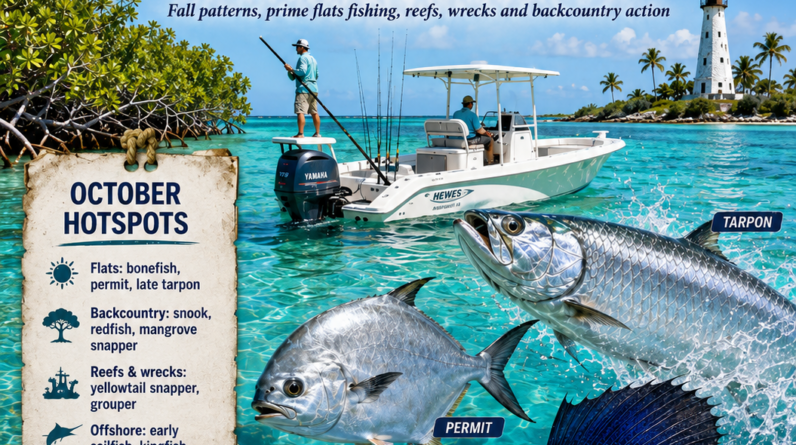
- Tarpon: Known as the “silver king,” tarpon can be found swimming near the surface of the water. These massive fish are known for their acrobatic jumps and are best caught during the spawning season from April to July.
- Mahi-Mahi: Also known as dolphin fish, mahi-mahi is a vibrant and delicious catch. You can often find them around weed lines, floating debris, and in offshore waters. The late spring and summer is prime time for catching mahi-mahi.
- Bonefish: These speedy fish are elusive and fun to catch. They are commonly found in shallow flats and are best pursued during the falling tide. Consider using light tackle for more of a challenge.
- Snapper: Both yellowtail and mangrove snapper are popular in the Keys. They can be found around coral reefs and rocks. The best time to fish for snapper is during the early morning or late afternoon.
- Grouper: Species like black grouper and red grouper are favorites among local anglers. They often hide in rocky bottom structures. Grouper fishing is great all year round, but the best months for catching bigger ones are from May to September.
Best Fishing Techniques in the Keys
Catching these popular fish requires a solid understanding of various fishing techniques. Here are some tried-and-true methods:
1. Live Bait Fishing
This technique works wonders, especially for species like tarpon and snapper. Use live shrimp, pinfish, or crabs as bait to attract fish quickly.
2. Trolling
Trolling is particularly effective for mahi-mahi. Use lures that mimic the motion of small fish to entice larger predators. Ideal trolling speeds range from 5 to 9 knots.
3. Fly Fishing
If you’re after bonefish, learn to fly fish. The challenge of catching bonefish on a fly rod adds excitement to your fishing experience. Be sure to practice stealth to avoid spooking these vibrant creatures.
4. Bottom Fishing
This method is great for grouper and snapper. Use heavy sinkers to hold your bait near the ocean floor, and be ready for some fierce action.
Understanding Seasonal Patterns
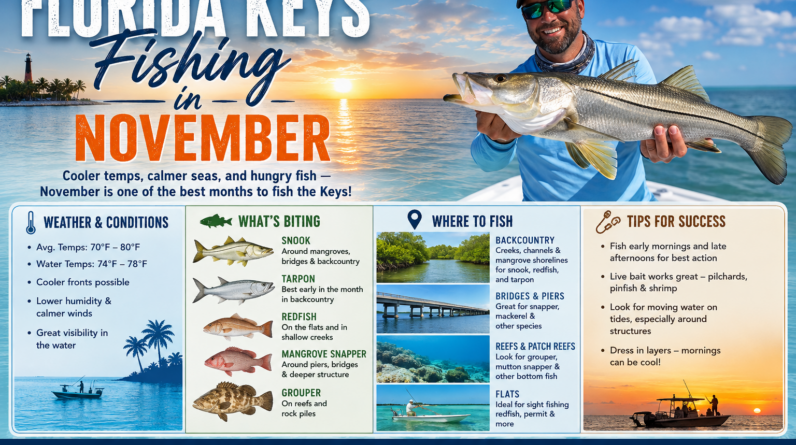
Knowledge about seasonal patterns can significantly improve your fishing success in the Keys. Here’s a month-by-month breakdown:
- January to March: Good for snapper with fewer crowds.
- April to July: Prime time for tarpon and mahi-mahi as they migrate through the area.
- August to October: Great for grouper and snapper, especially during calmer weather.
- November to December: A good time to target sailfish and other pelagic species.
Local Regulations and Conservation
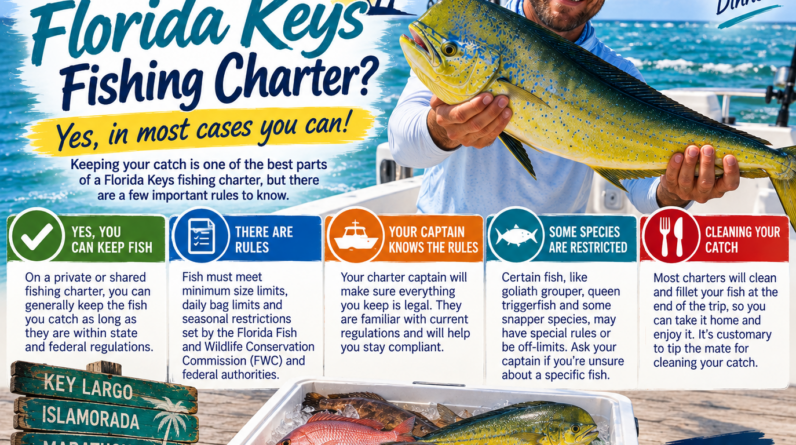
Before you set out on your fishing adventure, it’s important to be aware of local regulations. The Florida Keys have specific limits on the size and number of fish you can catch. Staying within these guidelines not only helps protect marine ecosystems but also ensures the sustainability of future fishing opportunities.
Consider practicing catch and release for certain species to help maintain healthy populations. Promoting conservation efforts helps preserve the beauty and biodiversity of the Keys for generations to come.
Fishing in the Florida Keys is an exciting experience filled with opportunities to catch various species. By understanding the local fish, utilizing effective techniques, and following conservation practices, you can ensure that your fishing escapade is not just enjoyable but also rewarding. So, gear up and get ready for an unforgettable day out on the water!
Best Fishing Spots in the Florida Keys
The Florida Keys are a true paradise for fishing enthusiasts. With crystal-clear waters and diverse marine life, it’s no wonder anglers from around the world flock to this region. Whether you’re a seasoned pro or a newcomer eager to cast your line, these fishing spots offer something for everyone. Here’s a look at some of the best places to reel in your catch.
Key Largo
Starting at the northernmost point of the Keys, Key Largo is famous for its rich underwater ecosystems. The waters here are home to numerous species, including tarpon, bonefish, and snapper.
One popular fishing spot is the Florida Keys National Marine Sanctuary. This protected area is teeming with life. You can enjoy fishing right from the shore or take a boat out to deeper waters.
- John Pennekamp Coral Reef State Park: Known for its coral reefs, it’s ideal for both fishing and snorkeling.
- Key Largo Dry Rocks: A favored area among anglers looking for lobster and grouper.
Islamorada
Islamorada, often referred to as the “Sportfishing Capital of the World,” is well known for its charter fishing fleets. Bring your rods and reel in species like mahi-mahi, marlin, and sailfish.
The Florida Bay is a prime location for anglers. With its shallow waters, it’s perfect for sight fishing. The bay is also great for catching snook and redfish, which are abundant in the mangroves.
- Alligator Reef: This stunning reef offers both excellent fishing and snorkeling opportunities.
- Hooch’s Fishing Spot: A local favorite where you can catch snapper and grouper.
Marathon
Located in the middle of the Keys, Marathon offers an array of fishing options. From offshore to inshore, you can find various fish to target. Seven Mile Bridge is one of the best places to fish from the land.
This area is known for catching tarpon and jack crevalle, especially during the summer months. If you have a boat, head offshore to find snapper, grouper, and even swordfish.
- Sombrero Reef: A popular site known for its diverse marine life.
- Bone Key: Great for anglers seeking smaller species like bonefish.
Big Pine Key
Big Pine Key is famous for its quiet charm and natural beauty. This area is not only a great fishing spot but also a peaceful escape. The Backcountry Waters are fantastic for catching redfish, snook, and tarpon.
Don’t miss out on the Content Key, known for its productive flats fishing. Here, your chances of catching a trophy bonefish are exceptional.
- Fishing Bridge: A prime location for anglers looking for snapper and various bottom fish.
- West Summerland Key: Famous for its calm waters and seasonal fish migrations.
Key West
At the southernmost point, Key West is not only vibrant in culture but also in fishing opportunities. This spot is perfect for deep-sea enthusiasts looking to catch sailfish, tuna, and barracuda.
The waters around Western Dry Rocks are a must-visit for anglers. Known for its vibrant marine life, it’s perfect for snagging mahi-mahi and tuna. Alternatively, the Key West Harbor is a convenient location for shore fishing.
- Buccaneer Beach: A great spot for shore fishing with family.
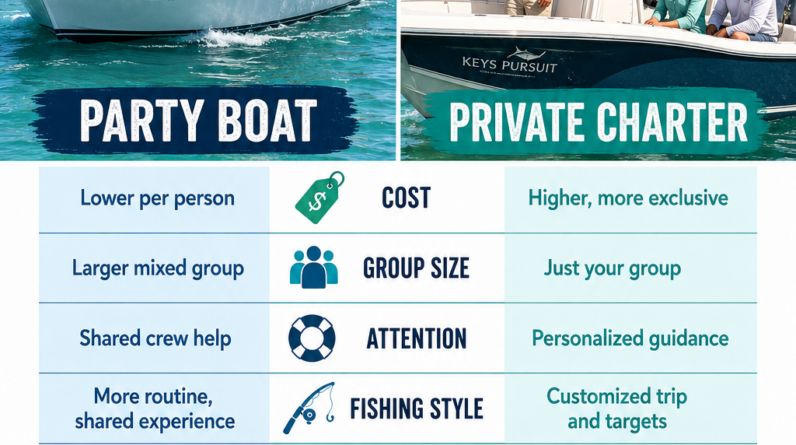
- Key West Charter Services: Consider a charter for expert guidance and access to prime fishing areas.
Fishing in the Florida Keys is more than just a hobby; it’s an experience filled with excitement and adventure. Whether you’re looking to catch dinner or simply enjoy the beautiful scenery, these fishing spots will not disappoint. Grab your gear and set out for an unforgettable fishing expedition in this beautiful region!
Tips for Catching the Big One: Techniques and Gear
If you’re dreaming about reeling in the big one, having the right techniques and gear is crucial. Whether you’re a novice angler or a seasoned pro, these tips can help you increase your chances of landing that trophy fish. Let’s break down some essential techniques and gear you need to make your fishing trip successful.
Choose the Right Gear
Your fishing gear makes all the difference when you’re out on the water. Here’s what you should consider:
- Rod and Reel: Choose a rod that matches the type of fish you’re targeting. For larger fish, a sturdy, medium-heavy rod is ideal. Pair it with a reel that has a strong drag system.
- Line: Use a quality fishing line with the appropriate test strength. A braided line often works well for big fish because of its durability and strength.
- Bait: Live bait like shrimp or baitfish is often more effective than artificial lures. However, lures can attract fish too, especially if they mimic the local baitfish.
- Hooks: Invest in high-quality hooks. Double or treble hooks can also increase your chances of a solid catch.
Understand the Water
Fish behavior changes depending on water conditions. Here are a few factors to keep in mind:
- Temperature: Fish tend to be more active in specific temperature ranges. Knowing the ideal temperature for your target species can help you determine the best time to fish.
- Structure: Fish often gather in areas with rocks, reefs, or vegetation. Use a fish finder to locate these hotspots.
- Current: Many big fish prefer to sit in areas where they can take advantage of current. Understanding how to cast against it can lead to better catches.
Master Casting Techniques
Your casting technique is just as important as your gear. Follow these tips to improve your casts:
- The Overhead Cast: Use this method for long-distance casts. Swing your rod back and then forward, releasing the line when your rod is at eye level.
- Sidearm Cast: This is useful for casting into tight spots. Keep your elbow close to your side and flick your wrist for a smooth release.
- Roll Cast: Perfect for casting in tight quarters or when there’s a lot of backcast obstructions. Keep your rod tip low, and roll the line forward.
Use The Right Techniques
How you jig your bait can make a big difference:
- Slow Retrieval: A slow, steady pull can mimic the movement of a wounded fish, which can entice predators.
- Jigging: This technique involves rhythmic movements. Use short, sharp jerks while retrieving the line to imitate prey swimming erratically.
- Stop-and-Go Method: Cast and let your bait sink, then reel in, pausing every few seconds. This can create a more enticing motion that draws in fish.
Time Your Trip Right
Timing is key when it comes to fishing. Here are some pointers:
- Early Morning or Late Afternoon: These times of day are typically when fish are most active. The water temperature is cooler, and their foraging instincts kick in.
- Check the Moon Phases: Fish are often more active during certain moon phases. A full moon can lead to better bites, especially at night.
- Be Weather-Wise: Overcast days can be excellent for fishing, as fish feel less threatened. Pay attention to barometric pressure as well; falling pressure can signal good fishing.
Stay Patient and Observant
Fishing requires patience. If you’re not getting bites, don’t rush. Instead, observe your surroundings:
- Look for signs of fish, such as jumping or breaking water.
- Adjust your bait or technique based on what you see.
- Keep your noise to a minimum; fish can be easily spooked.
With these tips and the right gear, you’ll be well on your way to catching that big fish you’ve always wanted. Happy fishing!
Sustainable Fishing Practices in the Keys
In the Florida Keys, sustainable fishing practices are vital for preserving the rich marine environment. The Keys are home to diverse ecosystems and serve as a playground for anglers. By embracing responsible fishing methods, you can help ensure that future generations will enjoy the beauty and bounty of these waters.
If you’re planning a fishing trip in the Keys, understanding sustainable practices can make a significant difference. Here are some key strategies to keep in mind:
Catch and Release
Catch and release is an essential practice for conserving fish populations. When you catch a fish, it’s crucial to handle it gently and return it to the water as quickly as possible. Here are some tips:
- Use circle hooks to reduce injury.
- Avoid removing the fish from the water if possible.
- Wet your hands before touching the fish to protect its slime coat.
- Keep fish in the water while removing hooks with pliers.
Regulations and Size Limits
Every angler should be familiar with the local fishing regulations. These rules include:
- Size Limits: Make sure you know the minimum and maximum sizes for different species.
- Bag Limits: Be aware of how many fish you can keep daily. Overfishing can deplete stocks.
- Closed Seasons: Fish may have specific spawning seasons during which they cannot be harvested.
Following these regulations helps maintain a balanced ecosystem and ensures that fish populations remain stable.
Choosing Sustainable Species
Before heading out, take time to research which fish species are considered sustainable. Some fish populations are more vulnerable than others. Opt for species that are abundant and have healthy populations. In the Keys, some recommended sustainable fish include:
- Yellowtail Snapper
- Mahi-Mahi
- Groupers (depending on the species and time of year)
- Spotted Sea Trout
Environmental Stewardship
You hold the power to protect the marine environment. Here’s how you can practice environmental stewardship while fishing:
- Leave No Trace: Clean up after yourself. Dispose of your trash properly and take any debris back to shore.
- Be Mindful of Habitats: Avoid fishing in sensitive areas, such as seagrass beds and coral reefs, to reduce your impact.
- Educate Others: Share your knowledge of sustainable practices with fellow anglers to promote responsible fishing.
Feel proud to be part of the solution! By adopting these practices, you contribute to the health of the marine ecosystem.
Support Sustainable Practices in the Community
The local fishing community often plays a significant role in promoting sustainability. Here are a few ways you can support these initiatives:
- Buy from Local Fisheries: Purchasing seafood from local, sustainable sources helps support responsible fishing practices.
- Participate in Clean-up Events: Join local organizations dedicated to preserving marine habitats.
- Encourage Research and Conservation: Support organizations that focus on marine research and conservation efforts.
The Florida Keys offer a unique opportunity for both recreation and conservation. By implementing sustainable fishing practices, you not only enhance your own experience but also protect the waters for future generations. Your small actions contribute to a larger cause, preserving the delicate balance of the marine ecosystem.
As you cast your line in the vibrant waters of the Keys, remember that your commitment to sustainable fishing can lead to a healthier ocean and a more vibrant fishing community. Engage with nature responsibly, and make every fishing trip an opportunity to foster a beautiful relationship with the marine world.
Preparing and Cooking Your Fresh Catch: Recipes and Techniques
If you’ve recently returned from fishing in the picturesque waters of the Florida Keys, you are likely eager to enjoy the fruits of your labor. Freshly caught fish not only provides a delicious meal but also serves as a reminder of your adventures. Learning how to prepare and cook your catch is an essential skill that can enhance your culinary repertoire. Here’s a guide that will take you from water to table with confidence.
Key Techniques for Preparing Your Fish
Before you can savor that tasty meal, you need to prepare your fish correctly. Here are some essential steps in fish preparation:
- Cleaning: Start by rinsing your fish in cold water. Use a sharp knife to scale the fish, removing any scales by scraping from tail to head. Next, cut open the belly and remove the entrails, being careful not to puncture any internal organs.
- Filleting: If you prefer fillets, lay the fish on its side. Starting at the head, slice down alongside the spine and rib bones. Work gently to preserve the flesh as you glide your knife along the bones, separating the fillet.
- Storing: If you’re not cooking immediately, store fish in a cool environment. Always keep your catch refrigerated or on ice to maintain freshness. Aim to cook it within a day or two for the best flavor and texture.
Techniques for Cooking Fresh Fish
Cooking fresh fish can be done in various ways, each method bringing out different flavors and textures. Consider trying these popular cooking techniques:
- Grilling: Grilling adds a smoky flavor that enhances many types of fish. Brush your fish with olive oil, sprinkle with salt and pepper, and grill for about 5-7 minutes on each side, depending on thickness.
- Pan-Searing: For a crispy skin and tender flesh, pan-searing is ideal. Heat a bit of oil in a skillet over medium-high heat, then add your seasoned fish. Cook until golden, ensuring to only flip once to maintain the crust.
- Baking: Baking is an easy and healthy option. Preheat your oven to 400°F (200°C), place your fish on a baking dish, season, and add lemon slices on top. Bake for about 15-20 minutes, depending on the size of the fish.
- Steaming: Steaming retains moisture and flavor. Place your fish in a steamer basket over boiling water. Season as desired, and steam for about 10-15 minutes, until the flesh is opaque.
Simple Recipes to Try
Now that you have the preparation and cooking techniques down, let’s explore some easy-to-follow recipes that highlight the freshness of your catch.
Grilled Mahi-Mahi with Citrus Marinade
This recipe is perfect for showcasing the mild flavor of mahi-mahi. Here’s how to make it:
- Mix the juice of 2 limes, 1 lemon, 2 tablespoons of olive oil, 2 cloves minced garlic, and a pinch of salt and pepper in a bowl.
- Marinate fillets in the mixture for at least 30 minutes.
- Preheat your grill. Cook the fish for about 5-7 minutes on each side until flaky.
Pan-Seared Snapper with Herb Butter
With its flaky texture, snapper shines in this dish:
- Season your snapper fillets with salt and pepper.
- In a skillet, melt 2 tablespoons of butter with chopped fresh herbs (like parsley, thyme, and basil).
- Add the snapper skin-side down and sear for 3-4 minutes per side. Spoon the herb butter over the fish as it cooks.
Baked Grouper with Lemon and Dill
To prepare this simple and flavorful dish:
- Preheat the oven to 400°F (200°C).
- Place cleaned grouper on a lined baking sheet. Drizzle with olive oil and season with salt, pepper, dill, and lemon slices.
- Bake for 15-20 minutes until the fish flakes easily with a fork.
Cooking your fresh catch can be an exciting culinary adventure. Just remember, with each recipe you try and technique you master, you’re not just preparing a meal – you’re creating a memorable experience that celebrates the bountiful waters of the Florida Keys.
Conclusion
As you embark on your fishing adventure in the Florida Keys, remember that your experience goes beyond just the thrill of catching the most popular fish. The stunning environment, diverse fishing spots, and the joy of preparing fresh seafood are all part of the journey. Whether you’re vying to catch tarpon, snapper, or grouper, the Keys offer bountiful opportunities for anglers of all skill levels.
Utilizing the right techniques and gear can make the difference between a good day on the water and an unforgettable one. Equip yourself with the proper tackle, learn about the habits of your target fish, and don’t shy away from asking seasoned locals for tips. This knowledge can turn your fishing trip into a successful endeavor.
Moreover, embracing sustainable fishing practices ensures that future generations can enjoy the same vibrant waters and rich marine life that you cherish today. Every responsible choice you make helps protect the delicate balance of the ecosystem within the Keys.
Once you return with your catch, the real fun begins in the kitchen. Experimenting with different recipes and cooking techniques can elevate your fresh fish into a culinary delight, bringing the taste of the ocean right to your dinner table.
Whether it’s your first time or you’re a seasoned angler, the Florida Keys promise an experience that is both rewarding and enriching. Dive into the adventure, respect the waters, and savor the fruits of your labor. Happy fishing!