

Table of Contents
Exploring Seasonal Fishing Trends: Top Locations for the Best Catches
For fishing enthusiasts, understanding seasonal fishing trends is essential for landing the best catches. Different species of fish thrive in varying conditions, making certain locales prime spots during particular times of the year. This guide explores the top fishing locations and highlights the best catches you can expect in each season.
Spring Fishing Hotspots
As the weather warms and the waters begin to thaw, spring opens up a world of opportunities for anglers. One of the top locations during this season is:
- Lake Erie, Ohio: The perch and walleye migrate during spring, making them plentiful. Anglers often find success with jigs and worms.
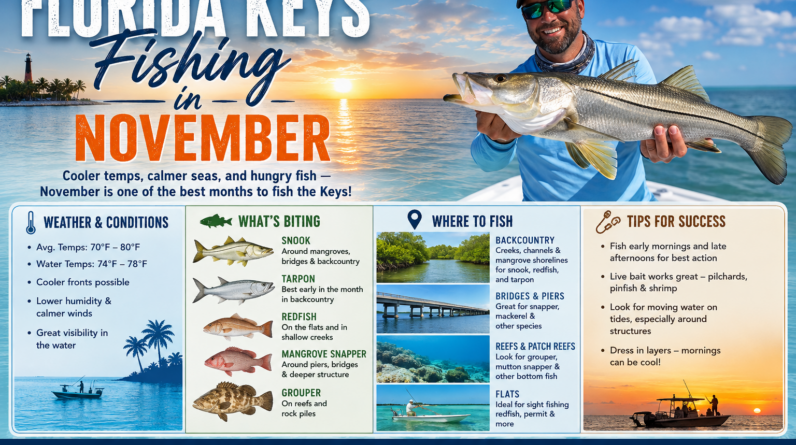
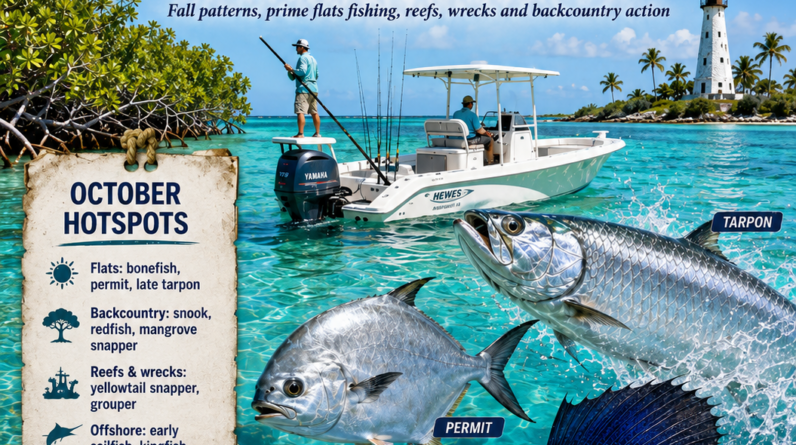
- Florida Keys: Target tarpon and snook as they move closer to the shore. Fly fishing can be particularly effective during this time.
These areas not only offer great catches but also enjoy beautiful weather, making your fishing trip even more enjoyable.
Summer Fishing Adventures
Summer is all about variety, with numerous species active and feeding. Some of the top fishing spots include:
- Chesapeake Bay, Maryland: Known for rockfish, summer flounder, and various crabs, this location is a summer favorite. Early morning and late evening yields better catches.
- The Great Lakes: From salmon to trout, various species can be caught throughout the summer. Trolling works well in deeper waters.
Summer fishing demands attention to time and temperature. Fish are most active during the cooler parts of the day, so plan your outings accordingly.
Autumn Fishing Sites
As the leaves turn and temperatures drop, fish begin to bulk up for winter, leading to some of the best catches of the year. Top spots include:
- Savannah River, Georgia: A prime location for striped bass fishing. With the cool down, you can catch larger schools of fish.
- Kenai River, Alaska: Here, you will find king salmon moving upstream. This is when they are at their peak, offering an unforgettable fishing experience.
Autumn fishing requires some flexibility in your approach; shallow waters can be highly productive as fish seek warmer temperatures.
Winter Fishing Opportunities
Though fishing in winter can be challenging, it offers unique rewards. Here are some locations to consider for your winter fishing journey:
- Lake Tahoe, California/Nevada: Ice fishing is popular here. Target species like trout and perch that bite well under the ice.
- Florida’s Gulf Coast: While many northern areas freeze over, Florida offers warm waters where anglers can snag redfish and sheepshead.
Dressing in layers and being prepared for the elements is key, but the thrill of landing a big catch makes winter fishing worthwhile.
Final Thoughts on Seasonal Fishing
Every season provides distinct fishing opportunities if you know where to go and what to target. Here’s a quick recap of the best catches per season:
- Spring: Walleye and perch at Lake Erie; Tarpon and snook in Florida Keys
- Summer: Rockfish in Chesapeake Bay; Salmon in Great Lakes
- Autumn: Striped bass in Savannah River; King salmon in Kenai River
- Winter: Trout and perch at Lake Tahoe; Redfish in Florida’s Gulf Coast
Understanding these trends and keeping seasonal patterns in mind can lead to more successful fishing trips throughout the year. Remember that every experience on the water enhances your skills and appreciation for this fulfilling pastime.
How Weather Patterns Affect Fishing Success Throughout the Year
Understanding how weather patterns impact fishing success is vital for avid fishermen. Various weather conditions can influence the behavior and location of fish throughout the year. By adapting fishing strategies to align with these patterns, you can maximize your catch. Here’s how different weather factors play a role in fishing success.
Temperature Changes
Water temperature is one of the most critical factors affecting fish activity. Fish are cold-blooded, meaning their body temperature relies on the surrounding waters. As the seasons change, the temperature of water fluctuates, which influences fish behavior.
- Spring: As temperatures begin to rise, fish become more active. Species like bass and trout move to shallower waters to spawn. This is an excellent time for anglers to use lighter lures and baits near shorelines.
- Summer: Warmer waters can drive fish to seek cooler, deeper areas. Targeting depths during the heat of the day can yield better results. Early morning and late evening are prime time for fishing as fish come up to feed.
- Fall: As temperatures drop, fish start preparing for winter. They feed aggressively, making this a favorable time to catch species like walleye and pike. Look for fish near structures as they congregate before the cold sets in.
- Winter: Coldwater species such as trout and catfish become less active but can still be caught through ice fishing or in deeper waters. Use slow-moving baits to attract their attention.
Precipitation and Water Conditions
Rainfall can dramatically change fishing conditions. Whether it’s light showers or heavy storms, precipitation has a significant impact on fish behavior.
- Light Rain: A gentle rain can create a perfect feeding environment for fish, as it stirs up food from the bottom. This makes it an excellent moment to fish near the surface with floating lures.
- Heavy Rain: Prolonged heavy rain can lead to murky waters, which may deter some species. However, catfish tend to thrive under these conditions, so consider targeting them.
- Post-Storm: After a storm, fish are often more aggressive. Caught off-guard, they tend to bite more readily. Look for clearer waters that weren’t excessively affected by runoff.
Wind Patterns
Wind can also impact fishing success. Wind direction and speed can affect where fish congregate and how active they are.
- Windy Days: Wind can push baitfish toward the shallows, attracting game fish. Target areas that are wind-blown, as fish often feed more actively in these zones.
- Calm Days: On calmer days, fish can be more skittish. It may be necessary to use stealthier approaches to catch them, such as smaller lures or live bait.
Barometric Pressure
The influence of barometric pressure on fish behavior is often underestimated. Changes in pressure can indicate changes in weather and fish activity.
- High Pressure: When the barometer rises, fish tend to become less active and feed less. It’s often best to fish deeper or use slower-moving lures.
- Low Pressure: Conversely, when pressure drops, fish are generally more active. This is a great time for fishing, as fish tend to bite more vigorously.
Time of Day
The time of day plays an essential role alongside weather patterns. Fish tend to be more active during specific periods:
- Early Morning: Fish are generally hungry after the night and tend to feed close to the surface.
- Late Afternoon: Just before sunset can see another feeding frenzy as fish prepare for the night.
By being aware of these weather patterns and how they affect fish behavior throughout the year, you can significantly enhance your fishing success. Adjust your techniques according to temperature, precipitation, wind, and pressure changes to ensure a bountiful day on the water. Happy fishing!
The Impact of Local Regulations on Seasonal Fishing Opportunities
Fishing is a cherished pastime for many, providing a chance to connect with nature and enjoy some quiet time on the water. However, local regulations play a crucial role in shaping seasonal fishing opportunities. These regulations are put in place to protect fish populations, maintain ecological balance, and improve the sustainability of fishing practices. Understanding how these rules affect your fishing trips can enhance your experience and ensure you follow legal guidelines.
One crucial aspect of local fishing regulations is the enforcement of specific seasons for different fish species. Many regions have designated open and closed seasons dictated by wildlife management authorities. For example:
- Spring: Many lakes and rivers see prime fishing opportunities for species like bass and trout as they move to spawning areas.
- Summer: Warm waters create a conducive environment for species such as catfish and panfish, which may have extended seasons due to increased populations.
- Fall: Salmon and trout may run in preparation for spawning, providing excellent catch opportunities.
- Winter: Ice fishing regulations dictate specific lakes and species such as perch and walleye that can be targeted during this time.
Knowing the seasons helps fishermen plan their outings more effectively. In some regions, regulations may also include limits on the size and number of fish you can catch, commonly known as bag limits. For example:
- A specific number of bass can be caught per day.
- Trout may have size restrictions to protect juvenile populations.
- Some areas might allow catch-and-release practices to help sustain certain fish species.
Without these regulations, fish populations can collapse, affecting not only recreational fishing but also commercial enterprises depending on healthy stocks. Sustainable practices are essential for long-term fishing enjoyment and ecosystems. Fishery management organizations regularly assess fish populations and may adjust regulations accordingly to help replenish numbers that may be dwindling.
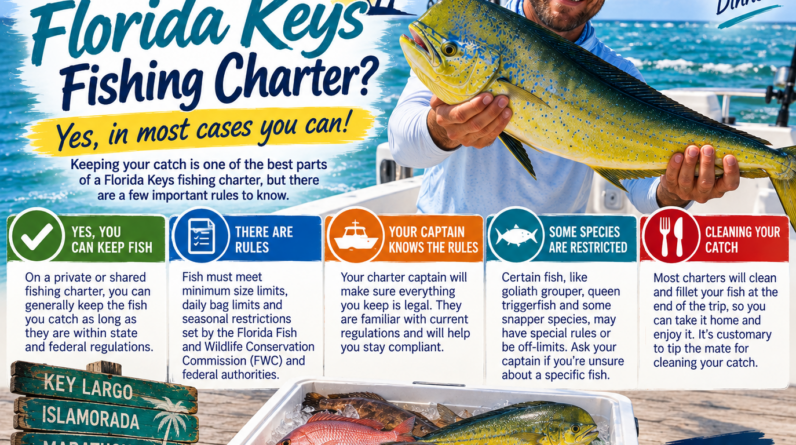
Furthermore, local fishing regulations can vary widely, not only by state but even by individual lakes or rivers. It’s essential to check the specific regulations in your area prior to heading out. This may involve:
- Online Research: Most state wildlife agencies maintain websites that provide up-to-date regulations.
- Local Bait Shops: These often have the latest information on what is biting and the rules you need to follow.
- Fishing Forums: Enthusiast communities share valuable insights on local spots and current regulations.
Moreover, some local areas may have unique regulations like specific fishing gear restrictions, designated catch-and-release zones, or even seasonal changes in rules to protect spawning fish. Being aware of these local practices will not only keep you in compliance but also ensure you have the best chance of a successful fishing experience.
Another critical aspect is the importance of reporting any illegal fishing activities or violations you may encounter. Participating in the conservation of fishing habitats ensures future generations can enjoy the same experiences you cherish. Engaging in responsible fishing practices supports the upkeep of regulations that protect aquatic life.
You may also find that some fishing locations provide educational programs around local regulations. These programs help new anglers, especially children, understand the significance of rules and practicing sustainable fishing. Some locations even provide guided tours or workshops focusing on the benefits of these regulations.
As a passionate angler, it’s vital to remember that while fishing is an enjoyable hobby, it also comes with responsibilities. Always make sure to abide by local regulations to create a healthy environment not just for the fish, but for all anglers. Respect the seasons, follow bag limits, and stay updated on any changes in your area’s fishing laws. This way, you can contribute to conserving fish populations while enjoying the thrill of a good catch.
By staying informed and engaged with local fishing regulations, you can maximize your fishing opportunities throughout the year, appreciate the intricacies of nature, and ensure a sustainable future for this beloved pastime.
Essential Gear for Seasonal Fishing: What You Need for Each Time of Year
Fishing is an exhilarating hobby that changes with the seasons. Different times of the year bring unique challenges and opportunities, so having the right gear is essential to make the most of your fishing experience. Here’s a guide on what you need for seasonal fishing, ensuring you’re well-equipped no matter the month.
Spring Fishing Gear
As waters begin to warm up, fish become more active and start spawning. This is prime time for anglers looking to catch bass, trout, and walleye.
- Rod and Reel: Opt for a medium-action rod to handle the varied species. Spinning reels are excellent for casting small lures that attract spring fish.
- Baits and Lures: Soft plastic worms, spinnerbaits, and shallow-diving crankbaits work wonders. They mimic the baitfish that are plentiful during this season.
- Clothing: Layers are key as temperatures may fluctuate. Waterproof jackets can protect you from occasional rain.
- Accessories: Don’t forget your fishing pliers, a good tackle box, and a first-aid kit. Being prepared is essential.
Summer Fishing Gear
Summer means longer days and warm waters, leading to late-night and early-morning fishing excursions. Fish like catfish and pike are actively feeding, making this season ideal for anglers.
- Rod and Reel: A heavy-action rod is critical for larger fish. Baitcasting reels will assist with heavy lures and lines.
- Baits and Lures: Topwater lures such as frogs and poppers are effective during low light. Catfish prefer stink baits and cut bait.
- Clothing: Lightweight, UV-protective clothing will keep you comfortable. Don’t forget a wide-brim hat and polarized sunglasses.
- Accessories: An insulated cooler is a must; staying hydrated in the heat is vital. Also, consider a fishing net to land larger catches safely.
Fall Fishing Gear
As the weather cools, fish begin to prepare for winter. This season is fantastic for trout and bass as they feed up for the colder months.
- Rod and Reel: A versatile medium-action rod can be perfect for different species. Spinning reels work well for finesse techniques.
- Baits and Lures: Jigs and swimbaits are popular choices. Crankbaits that mimic baitfish will attract predators looking for an easy meal.
- Clothing: Layering is essential; pack your favorite thermal gear to stay warm. Waterproof boots are advisable as well.
- Accessories: A fishing umbrella or pop-up shelter can offer protection from sudden rain. A good pair of gloves will help on chilly mornings.
Winter Fishing Gear
Ice fishing becomes an option in colder climates. Target species include pike, perch, and trout.
- Rod and Reel: A short ice fishing rod is essential for navigating small holes. Use a lightweight reel suited for ice line.
- Baits and Lures: Live bait is often the best choice, with minnows or wax worms being very effective. Jigging spoons can also attract fish lurking below the ice.
- Clothing: Insulated, waterproof boots and a heavy jacket are crucial to stay warm and dry. Thermal layers are your best friend.
- Accessories: An auger for drilling holes and a sled for transporting gear make the process smoother. It’s also wise to carry a flare gun or signaling device for safety.
No matter the season, having the right gear can enhance your fishing experience significantly. Consider the specific conditions of the time of year, and tailor your equipment accordingly to maximize your success on the water.
Tips for Finding Hidden Fishing Gems During Low Season Months
Low season months can be a fantastic time to discover hidden fishing gems that most anglers overlook. With fewer crowds and a more serene environment, you can focus on your passion for fishing and enjoy nature to the fullest. If you’re looking for tips on how to find great fishing spots during these quieter times, read on!
Research Local Water Bodies
Start by exploring local maps and online resources to find lesser-known lakes, rivers, and streams. Many small bodies of water are home to a variety of fish and may be overlooked. Use tools like:
- Google Maps: Zoom in on rural areas to spot streams or ponds.
- Fishing forums: Join online communities to ask for recommendations.
- Local fishing reports: These can point you to hotspots not widely advertised.
Engage with Local Anglers
Connecting with local fishermen can provide valuable insights. They often know secret spots that deliver outstanding catches, especially during low season. Try these approaches:
- Visit local bait shops: Staff and patrons at these shops can offer tips on where to go.
- Attend fishing clubs or associations: Networking with fellow anglers can reveal hidden gems.
- Social media: Platforms like Facebook groups or Instagram can show off local expertise and recent catches.
Explore Off-Peak Times
Timing plays an essential role in fishing success. During low season months, aim to fish during times when others might not. Consider the following:
- Early mornings or late evenings: Fish tend to feed during these cooler times of the day.
- Weekdays: You’ll face fewer crowds and more relaxed fishing conditions.
- After weather changes: Fish are likely to be more active after a rain or temperature shift.
Understand Seasonal Patterns
Different species of fish behave uniquely throughout the year. Familiarizing yourself with their seasonal patterns can significantly enhance your fishing experience. For example:
- In spring, look for spawning areas in shallow waters.
- Summer often means deeper waters, as fish seek cooler temperatures.
- During fall, fish may feed heavily in preparation for winter, making them more active.
- In winter, ice fishing can open up a whole new world of hidden fishing opportunities.
Utilize Technology
Technology has become a vital tool for modern fishing enthusiasts. Consider using:
- Fish Finder Apps: Apps like Fishbrain or Angler can help locate where fish are active.
- Weather Apps: These can provide important data on water conditions and temperature trends.
- GIS Mapping: Geographic Information Systems can help analyze landscape features that affect fish populations.
Explore Lesser-Known Locations
Don’t just stick to the popular fishing spots. Venture into state parks, wildlife reserves, or even lesser-known national parks. Many of these places are home to untouched waters eager for exploration. Ask local authorities about accessibility and any regulations. Patience and persistence will yield fruitful results in quiet waters.
Practice Leave No Trace Principles
When venturing to hidden fishing spots, ensure you practice Leave No Trace principles. This not only protects the environment but also keeps these locations available for future anglers. Follow these simple rules:
- Dispose of waste properly: Pack out everything you bring in.
- Respect wildlife: Keep a safe distance and avoid disturbing their habitat.
- Stay on trails: Protect sensitive areas by sticking to marked paths.
Finding hidden fishing gems during low season months requires a blend of research, community engagement, and a willingness to explore. By using these tips, you’ll likely uncover fantastic fishing opportunities that remain undisturbed while enjoying the tranquility that comes with the off-peak season. So grab your gear and get ready for an adventure that may lead to some of your most memorable fishing moments yet!
Conclusion
As you plan your fishing adventures throughout the year, understanding the seasonal trends and top locations for catches will greatly enhance your experience. Pay attention to how weather patterns can affect fish behavior; fish are often more active in specific conditions, which may vary with the season. Also, stay updated on local regulations, as they can change and impact your fishing opportunities, ensuring you abide by rules that protect our waterways.
Equipping yourself with the right gear tailored to each season is essential for a successful outing. From warm-weather fishing rods to winter gear, having the right tools can make a significant difference. Seasonal adjustments not only improve your chances of a good catch but also ensure you stay comfortable while fishing.
Don’t overlook the low season, as it can present unique opportunities to discover hidden gems. Many fishermen steer clear of these times, but spots that are often underappreciated can yield impressive catches. By exploring these areas with a keen eye, you can uncover the best fishing experiences that others might miss.
Ultimately, whether you’re fishing for sport or relaxation, integrating these strategies will help you optimize your time on the water, improving your chances of landing the big one, no matter what the season is. Embrace the shifts in nature, adapt your approach, and enjoy the journey as much as the destination. Happy fishing!