

Table of Contents
A deep dive into the types of fish you can expect to catch in the Keys and tips on how to reel them in
The Florida Keys are a fishing paradise brimming with diverse marine life. If you are planning a fishing trip to this tropical haven, you’ll be delighted by the variety of fish you can encounter. Whether you’re a seasoned angler or a beginner, understanding the types of fish available and the best tactics to catch them will enhance your experience.
Types of Fish You Can Expect to Catch
When fishing in the Keys, you can expect to find an impressive array of species. Here are some of the most common types:
- Tarpon: Known for their acrobatic leaps, tarpon are a prized catch. These large fish can weigh over 200 pounds.
- Bonefish: Often referred to as the “gray ghost,” bonefish are known for their speed and sensitivity. They typically inhabit shallow waters.
- Permit: Another challenging catch, permit are known for their strength and are often found near coral reefs.
- Mahi-Mahi: This vibrant fish is celebrated for its stunning colors and delicious taste, making it a highly sought-after prize.
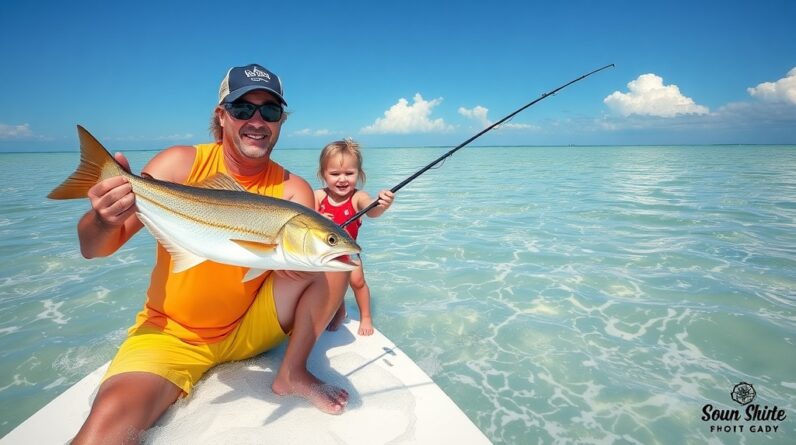
- Snook: Snook are popular among locals and visitors alike. They can be found in estuaries and mangroves, eager to strike at live or artificial bait.
- Grouper: These bottom-dwelling fish come in several varieties such as black, red, and gag grouper. They are best targeted with bottom fishing gear.
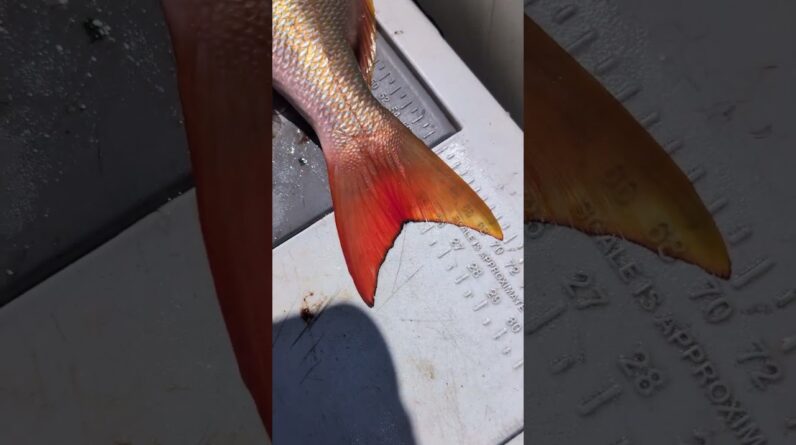
- Snapper: Specifically, the yellowtail snapper is a favorite. They thrive in reef systems and are often targeted by both novice and experienced anglers.
Tips on How to Reel Them In
Knowing what fish you can catch is crucial, but having effective strategies will boost your chances of a successful day on the water.
1. Choose the Right Time
Fish are more active at certain times of the day. Early mornings and late afternoons are generally the best times to catch fish in the Keys. Pay attention to tidal movements, as many species, including snook and tarpon, are influenced by tides.
2. Select the Right Gear
Your fishing gear should match the species you’re targeting. For larger fish like tarpon, a sturdy rod and reel combo is essential. For fishing bonefish, opt for a lighter tackle to enhance the experience.
3. Bait Selection
Bait selection is vital. Live bait such as shrimp, pinfish, or crabs work wonders, especially for snook and snapper. While many anglers prefer live bait, artificial lures are effective too. Experiment with colors and sizes to see what attracts the fish on any given day.
4. Master Your Technique
The technique you use can determine your success. When targeting tarpon, use a quick hook set to ensure they don’t shake off the line. For bottom fishing with grouper, drop your bait straight down and reel in slowly to avoid getting snagged.
5. Be Patient and Observant
Patience is key in fishing. Pay attention to your surroundings. Look for signs of fish activity, like jumping fish or splashes. If you can learn from the water, you’ll be more likely to make a successful catch.
Safety and Conservation
While you’re enjoying your fishing adventure in the Keys, don’t forget about safety and conservation. Always wear a life jacket, and make sure to follow local regulations regarding catch limits. Practicing catch and release helps preserve the fish populations for future generations.
With so many types of fish to target and ample opportunity to reel in a big catch, the Florida Keys offer something for every angler. By employing the right strategies and respecting the environment, you can ensure a rewarding fishing experience that you’ll remember for years to come.
Understanding the seasonal patterns of fish in the Florida Keys
The Florida Keys, with their stunning waters and rich marine life, offer a unique fishing experience throughout the year. Understanding seasonal patterns is essential in maximizing your catch. Here’s a breakdown of what you can expect depending on the time of year and some tips to help you reel in those fish.
Winter (December to February)
During winter, the weather in the Keys can be cooler and more unpredictable, but this season brings opportunities to catch some larger species. Target species include:
- Snapper: Yellowtail snapper and mutton snapper thrive in warmer waters. Fish around coral reefs and wrecks.
- Blackfin Tuna: Tuna often migrate closer to shore during these months. Look for them around the reefs.
- Permit: They are known to be plentiful in the warmer parts of winter, especially around the flats.
Tip: Use lighter tackle and smaller bait when fishing for snapper. For tuna, fast-pitch jigging can be very effective.
Spring (March to May)
As the temperatures start to rise in spring, the fish become more active, making this one of the best times to go fishing. Notable species include:
- Tarpon: These acrobatic fish migrate to the Keys in spring and are a favorite for anglers. Expect a fun fight!
- Bonefish: Perfect for fly fishing enthusiasts, bonefish are abundant on the flats.
- Grouper: As the grouper season opens in May, prepare to target them around deeper waters.
Tip: Use live bait such as crabs or mullet for tarpon. For bonefish, stealth is key, so make sure to approach quietly.
Summer (June to August)
Summer in the Keys is hot, but the fish are plentiful. This season sees an explosion of action, especially in offshore fishing. Consider targeting:
- Swordfish: Nighttime swordfishing can yield phenomenal results. Use deep dropping techniques.
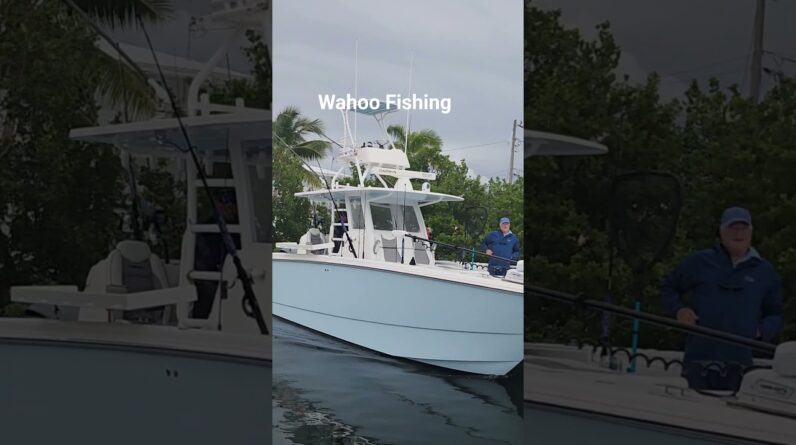
- Wahoo: These fast and powerful fish can be caught trolling outside the reef.
- Mahi-Mahi: Summer is peak season for mahi-mahi, and they are often found around floating debris or water color changes.
Tip: For mahi-mahi, use colorful lures to attract attention, and remember to troll at a slower speed for better results.
Fall (September to November)
As the weather cools, fall brings some exciting fishing opportunities. Look for different species as they start to move back to warmer waters:
- Snapper: As the waters cool, snapper feeding becomes aggressive. It is a good time to fish for them, especially during the full moon.
- Kings Mackerel: You’ll find kings moving into the area; fishing along the reef edges can be very productive.
- Sharks: Fall is a peak time for shark fishing, especially near deeper channels.
Tip: For mackerel, use live bait or spoons to entice them. When shark fishing, a heavy tackle is a must.
Understanding these seasonal patterns will allow you to plan your fishing trips more effectively. Always remember that the Florida Keys are rich in biodiversity. Having the right gear and bait, knowing when and where to fish, and staying adaptable to changing conditions will enhance your experience. Whether you are a seasoned angler or a beginner, the Keys are a paradise waiting to be explored.
Essential fishing gear for successful fishing in the Keys
Fishing in the Keys is an exhilarating experience, and having the right gear can be the difference between a good day on the water and a frustrating one. Whether you are a seasoned angler or a beginner, equipping yourself with essential fishing gear will enhance your chances of landing that prized catch. Here’s what you need to know about the gear that will make your fishing trip successful.
Rod and Reel
Your rod and reel are your primary tools in fishing. For the Keys, opt for a medium to heavy spinning rod that is 7 to 8 feet long. This gives you the strength needed for bigger fish while maintaining sensitivity for smaller bites. A quality spinning reel with a smooth drag system is crucial, as it allows you to fight the fish without losing control. Brands like Shimano and Penn are highly recommended in this region.
Fishing Line
The fishing line is your connection to the fish. For inshore fishing, a braided line that is 20-30 lb test is ideal because it’s strong and has low visibility in the water. For offshore fishing, consider using a heavier line, around 40-60 lb test, especially if you’re targeting species such as tarpon or grouper. Don’t forget to carry a leader line made of fluorocarbon; it’s nearly invisible underwater and adds extra strength to your setup.
Bait and Lures
Choosing the right bait can significantly increase your catch rate. Live bait is often the most effective choice in the Keys. You can use:
- Pinfish
- Shrimp
- Crabs
- Small mullet
These are great for species like snapper and grouper. When it comes to lures, consider using jigs and topwater plugs which can attract fish effectively. Bright colors work well in the sunny, clear waters of the Keys.
Fishing Tackle Box
A well-organized tackle box is essential for keeping your gear ready and accessible. Make sure to include a variety of hooks, sinkers, and swivels in different sizes. It’s also wise to carry some fishing pliers, a line cutter, and a pair of scissors. These tools will help streamline the process of setting up and retying your rigs while fishing.
Safety Gear
Fishing is not just about catching fish; it’s also about staying safe. Always wear a life jacket while on a boat. Don’t forget sunscreen to protect your skin from the strong Florida sun, and wear a wide-brimmed hat and polarized sunglasses to shield your eyes. A first-aid kit should be on board, just in case of minor accidents.
Navigational Equipment
Knowing where you are going can enhance your fishing experience. A GPS device is essential for navigating the complex waters of the Keys. Make sure to also have a reliable map of the area and perhaps even a fishfinder. This equipment can help you locate schools of fish and avoid rocky or shallow areas.
Storage Cooler
After a successful day of fishing, you’ll want to keep your catch fresh. A good cooler is essential. Look for a high-quality, insulated cooler that can keep ice for hours. This will ensure that your fish stays fresh, whether you plan to take it home for dinner or release it back into the water.
Final Tips
Before heading out, check local regulations regarding size limits and closed seasons to ensure you are fishing responsibly. And remember, practice makes perfect! Take the time to learn about the species you are targeting and refine your skills for a more enjoyable experience.
With this essential fishing gear, you are well on your way to a successful fishing trip in the Keys. Enjoy the beautiful surroundings, the thrill of the catch, and the joy of fishing in one of the most stunning locations in the world!
Exploring the best fishing spots in the Florida Keys
The Florida Keys are well-known for their stunning beauty and vibrant marine life, making them a premier destination for fishing enthusiasts. With a variety of fishing spots to choose from, each location offers unique experiences and the chance to catch different types of fish. Whether you’re a novice angler or a seasoned pro, exploring the best fishing spots in this tropical paradise is sure to be rewarding.
Key Largo: The Diving Capital
Key Largo is renowned for its crystal-clear waters and diverse marine ecosystem. You can expect to find a range of fish species here. Some popular catches include:
- Tarpon: Known as the silver king, these fish are a thrill to catch due to their energetic leaps.
- Bonefish: Famous for their speed and agility, bonefish are a challenging catch.
- Grouper: These fish are often found near reefs, making them a great target for bottom fishing.
To reel in a tarpon, consider using live bait such as crabs or mullet. The early morning or late afternoon is the best time to fish, as these fish are more active. For bonefish, light tackle with a 10-12 lb test line works well, and you should focus on shallow waters close to the shore.
Islamorada: The Fishing Capital of the World
Islamorada offers some of the best fishing opportunities around. This area is famous for its abundant bonefish flats and deep-sea fishing options. Here’s what you can expect to catch:
- Wahoo: Known for their speed, these fish are fantastic fighters.
- Dolphin (Mahi Mahi): These colorful fish are both abundant and delicious.
- Snapper: Caught year-round, snapper makes for excellent table fare.
For wahoo, trolling with high-speed lures will give you the best results. Dolphin fishing is particularly productive in the spring and summer months, so plan your trip accordingly. An effective method for catching snapper is to use live bait at depths between 60-80 feet.
Marathon: The Middle Keys
Marathon is known for its diverse ecosystems, including coral reefs and wrecks. Here’s some of the sought-after fish in this area:
- Kingfish: Fast swimmers that are often found in deep waters.
- Permit: A prized catch for anglers who appreciate a challenge.
- Yellowtail Snapper: A popular target, especially during night fishing trips.
When fishing for kingfish, vertical jigging is an effective technique. To target permit, use light tackle and don’t forget to bring along some crabs or shrimp for bait. The yellowtail snapper bite is usually best during the evening, so night fishing can pay off handsomely.
Big Pine Key and the National Wildlife Refuge
If you enjoy fishing in a more natural setting, Big Pine Key and the surrounding waters offer a unique experience. This area is home to many species, including:
- Redfish: Common in the flats, perfect for sight fishing.
- Snook: Known for their acrobatics, snook provide an exciting catch.
- Jack Crevalle: Fierce fighters that will test your skills.
To catch redfish, focus on the mangroves and grass flats. Snook fishing is best during the early hours of dawn or late evening. When targeting jack crevalle, try using top-water lures to entice them to strike.
Tips for a Successful Fishing Trip
Regardless of where you fish in the Florida Keys, here are some handy tips to enhance your experience:
- Check local regulations for fishing seasons and licenses.
- Invest in quality gear suitable for the type of fishing you plan to do.
- Stay hydrated and protect yourself from the sun with sunscreen and a hat.
- Consider hiring a local guide who knows the waters well for an unforgettable experience.
Choosing the right time of year to fish and the right spot can significantly improve your chances of catching the fish you desire in the Keys. Armed with these tips and knowledge, you’re set for a fantastic fishing adventure!
Techniques for attracting different species of fish in the Keys
Fishing in the Florida Keys is an exhilarating experience for anglers, offering a diverse range of fish species and stunning environments. Understanding the techniques for attracting different types of fish can enhance your fishing adventure, making it productive and enjoyable. Here’s how to attract and catch some popular species in the Keys.
Finding the Right Bait
The choice of bait can significantly influence your success rate. Different fish are attracted to different types of bait, whether live or artificial. Here are some effective options:
- Live Bait: Use shrimp, minnows, or crabs to attract species like snapper and grouper.
- Artificial Lures: Brightly colored jigs, spoons, and plugs can entice species like tarpon and barracuda.
- Cut Bait: Chunks of fish can be very effective for attracting larger species such as shark and tuna.
Targeting Specific Species
Each species you aim for in the Keys has its preferred habitat and feeding patterns. Here are some techniques tailored for common targets:
Tarpon
Tarpon are a prized catch known for their acrobatics. To attract these fish:
- Location: Fish in channels, passes, and beaches during the early morning or late afternoon.
- Bait: Use live crabs or mullet, and consider using a lightweight spinning rod for better sensitivity.
- Technique: Cast your bait near schooling tarpon and let it drift naturally; avoid reeling too quickly to keep it enticing.
Bonefish
Bonefish are elusive and can be tricky to catch. Here’s how to attract these wary fish:
- Environment: Focus on shallow flats and sandy areas where they feed.
- Bait: Use small crabs or live shrimp, as they closely mimic their natural prey.
- Technique: Employ a stealthy approach, making long casts and retrieving your bait slowly to avoid spooking them.
Permit
Permit fishing is exciting but requires skill. To attract permit:
- Habitat: Look for them around wrecks or coral reefs.
- Bait: Use small crabs or jigs; they are attracted to natural and artificial clams, too.
- Technique: Slow retrieve and watch for telltale signs like tailing or fins breaking the surface.
Using Proper Tackle
The right equipment can make all the difference. Consider these tips:
- Rod and Reel: Choose light to medium tackle for smaller fish and heavier gear for larger species.
- Line: Use braided line for sensitivity and strength; it’s less visible underwater.
- Leader Line: Use a fluorocarbon leader to reduce visibility when targeting skittish species.
Timing and Weather
Fishing conditions can greatly impact your catch. Pay attention to the following:
- Best Times: Early mornings and late afternoons are prime times, as many fish are more active.
- Weather Conditions: Overcast days can lead to better bites, as fish feel safe to roam.
- Moon Phases: Fish are often more active during new and full moons, enhancing your chances of a good catch.
Experiment and Adapt
No two fishing days are the same in the Keys. If your current approach isn’t working, don’t hesitate to experiment with:
- Different baits until you find what the fish are biting on.
- Adjusting your fishing depth if you aren’t getting bites.
- Trying new fishing spots if the current one feels unproductive.
In the beautiful waters of the Keys, the techniques you choose can make your fishing experience unforgettable. Equip yourself with knowledge about the species, use the right bait, and adapt your methods. You’ll be well on your way to reeling in a fantastic catch!
Conclusion
Fishing in the Florida Keys offers a unique adventure filled with diverse species and stunning scenery. Whether you’re a seasoned angler or a beginner, knowing what types of fish you can expect to catch is vital to making your trip successful. Throughout the year, seasonal patterns play a crucial role in determining where and when fish congregate, helping you plan the best times to cast your line.
Equipping yourself with the right gear cannot be overstated. From rods and reels to tackle and bait specific to the Keys, having the proper equipment will dramatically increase your chances of reeling in a big catch. Don’t forget to explore the best fishing spots, which can vary from the shallow flats to the deep blue waters offshore. Each location offers its own unique species, making the experience even more thrilling.
Mastering various techniques for attracting different types of fish can elevate your fishing game. Experimenting with different methods based on the species you target can lead to new discoveries and much more rewarding catches.
Immerse yourself in the local fishing culture and enjoy the spectacular environment that the Florida Keys offer. With the information provided, you’re now equipped to make your fishing trip a memorable one. Whether you seek the thrill of reeling in a trophy fish or simply want to enjoy a peaceful day on the water, the Keys are waiting for you to cast your line. So grab your gear and start planning your fishing adventure in this beautiful tropical paradise!