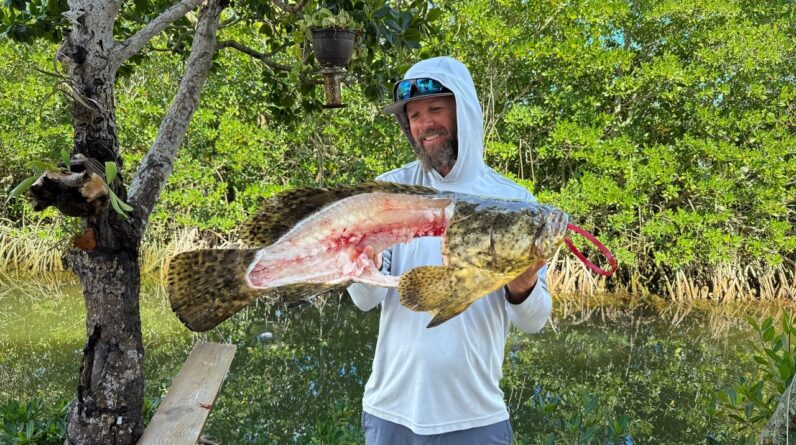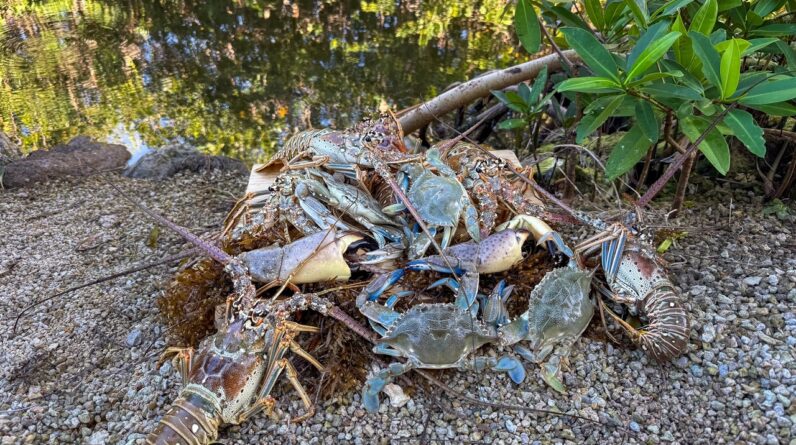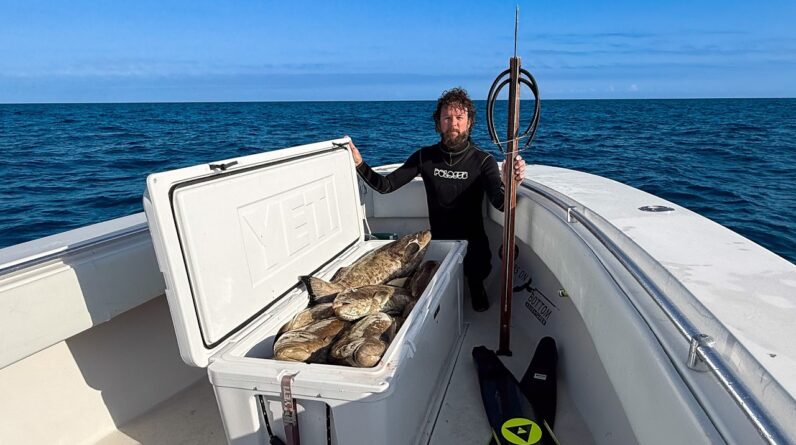


If you ever find yourself surrounded by the crystal blue waters of the Florida Keys, you’ll be in for a treat when it comes to underwater exploration. The Florida Keys is home to a plethora of unique fish species that are sure to captivate any marine enthusiast. From the vibrant Queen Angelfish to the elusive Bonefish, these waters offer an incredible diversity of marine life. Join us as we dive into the fascinating world of the unique fish species that call the Florida Keys their home.
Table of Contents
Overview of the Florida Keys
Geographical location
The Florida Keys are a chain of tropical islands located off the southern coast of Florida. Stretching about 120 miles from Key Largo to Key West, they are surrounded by the Atlantic Ocean on one side and the Gulf of Mexico on the other. This unique geographical location provides the Florida Keys with a diverse and rich marine ecosystem.
Marine ecosystem
The marine ecosystem in the Florida Keys is one of the most diverse and vibrant in the world. The warm waters, coral reefs, seagrass beds, and mangrove forests create a haven for hundreds of species of fish. The shallow and clear waters also make it an ideal destination for snorkeling and diving enthusiasts to explore the underwater beauty.
Tourism and fishing industry
The Florida Keys attract millions of tourists each year due to their stunning natural beauty and abundant marine life. The tourism industry in the Keys plays a significant role in the local economy, providing jobs and contributing to the region’s overall prosperity. Additionally, fishing is a popular recreational activity and a major part of the local economy, with anglers coming from all over the world to experience the world-class fishing opportunities the Keys has to offer.
Importance of Fish Diversity in the Florida Keys
Economic impact
Fish diversity in the Florida Keys has a significant economic impact on the region. Sport fishing, commercial fishing, and recreational fishing are major contributors to the local economy. From charter boat rentals to tackle shops and seafood restaurants, businesses in the area rely heavily on the abundance and variety of fish species to attract visitors and sustain their livelihoods.
Ecological significance
The fish diversity in the Florida Keys is not only important for the economy but also for the overall health of the marine ecosystem. Fish play a crucial role in maintaining the balance within the ecosystem by controlling the populations of other marine organisms and contributing to the overall biodiversity. They also help keep the coral reefs healthy by grazing on algae and other unwanted organisms, preventing overgrowth and maintaining the intricate balance of the reef ecosystem.
Conservation efforts
Recognizing the importance of fish diversity, various Conservation Efforts have been implemented in the Florida Keys. These efforts include the establishment of marine protected areas, the implementation of fishing regulations, and the promotion of sustainable fishing practices. Additionally, organizations and agencies work together to conduct research, raise awareness, and actively participate in monitoring the health of fish populations and their habitats.
Top Fish Species Found in the Florida Keys
1. Bonefish
Bonefish, also known as the “grey ghosts” of the flats, are highly sought after by anglers due to their speed and challenging nature. They are known for their silver coloration, slim bodies, and stealthy behavior. Bonefish are primarily found in the shallow coastal flats of the Florida Keys, where they feed on small crustaceans and baitfish.
2. Tarpon
Tarpon are a popular game fish in the Florida Keys, known for their impressive size and acrobatic jumps. These silver fish can grow up to eight feet long and can weigh over 200 pounds. Tarpon are often targeted by anglers in the summer months when they migrate to the Keys in large numbers.
3. Snook
Snook are highly prized by both anglers and food enthusiasts. These sleek, silver fish are known for their aggressive strikes and powerful fights. Snook can be found in the mangrove-lined creeks, canals, and inshore waters of the Florida Keys. Their presence adds excitement and challenge to the fishing experience.
4. Goliath Grouper
The Goliath Grouper is the largest grouper species found in the Florida Keys. These massive fish can reach lengths of up to eight feet and weigh over 600 pounds. Despite being critically endangered, Goliath Groupers can still be occasionally encountered in the offshore waters of the Keys. Their size and strength make them a favorite among adventurous anglers.
5. Permit
Permit are highly prized for their challenging nature and exceptional speed. These fish are widely regarded as one of the most difficult to catch in the Florida Keys. They are known for their distinctive oval-shaped body, silver color, and dark vertical bars. Permit can mainly be found on the flats and nearshore wrecks and reefs.
6. Dolphin (Mahi-Mahi)
Dolphin, also known as Mahi-Mahi, are a vibrant and beautiful fish species found in the Florida Keys. They are known for their dazzling colors, including bright greens, blues, and golds. Dolphin are highly migratory and can be caught offshore, often near floating debris or weed lines. They are fast swimmers and provide an exciting challenge for anglers.
7. Redfish
Redfish, also known as red drum, are a popular sport fish in the Florida Keys. They are known for their distinctive red coloration and powerful fights. Redfish can be found in both shallow and deeper waters, and they are often encountered in the backcountry and nearshore areas. Anglers enjoy targeting them due to their aggressive strikes and delicious meat.
8. Sailfish
Sailfish are highly prized among anglers for their incredible speed and acrobatic displays. These magnificent fish are known for their long, bill-like noses and their iconic sail-like dorsal fins. Sailfish are predominantly found in the offshore waters of the Florida Keys, where they migrate in large numbers. They provide an exhilarating fishing experience and make for impressive trophies.
9. King Mackerel
King Mackerel, also known as Kingfish, are a popular game fish in the Florida Keys. They are known for their aggressive strikes, fast runs, and delicious meat. King Mackerel can be found in both nearshore and offshore waters, and they are often targeted using live bait or artificial lures. Anglers enjoy the challenge they pose due to their speed and fighting ability.
10. Hogfish
Hogfish are unique and highly prized for their delicious taste and distinctive appearance. They are known for their elongated snout and pig-like appearance, which earned them their name. Hogfish can be found in the shallow reefs of the Florida Keys, where they feed on crustaceans and small fish. They are a favorite among spearfishermen and are also targeted by recreational anglers.
Unique Characteristics and Habitats of Florida Keys Fish
Adaptations for survival
Fish species in the Florida Keys have developed various adaptations to survive in their respective habitats. Some have evolved to blend in with their surroundings, such as the camouflage abilities of the bonefish. Others have developed unique hunting strategies, like the ambush tactics of the snook. These adaptations allow them to thrive in the diverse and dynamic environments of the Keys.
Reef and wreck environments
The Florida Keys are renowned for their extensive coral reefs and underwater wrecks, which serve as important habitats for many fish species. These structures provide shelter, protection, and a plentiful food source for a wide range of marine life. Many fish species, including tarpon and permit, can be found in these areas, taking advantage of the abundance of prey and optimal hiding spots.
Mangroves and seagrass beds
Mangrove forests and seagrass beds are vital habitats for numerous fish species in the Florida Keys. Mangroves serve as nurseries for many juvenile fish, providing shelter and abundant food sources. Seagrass beds, on the other hand, act as a nursery habitat and a foraging ground for various species, including bonefish and redfish. These habitats are essential for the survival and growth of fish populations in the Keys.
Migration patterns
Many fish species in the Florida Keys exhibit migratory behavior, traveling long distances to spawn, feed, or seek more favorable conditions. For example, tarpon migrate to the Keys in large numbers during the summer to take advantage of the abundant food supply. Sailfish also migrate offshore, following the movements of schools of baitfish. Understanding these migration patterns is crucial for protecting and managing fish populations effectively.
Threats to Florida Keys Fish Diversity
Overfishing
Overfishing is a significant threat to fish diversity in the Florida Keys. With the popularity of recreational and commercial fishing, certain fish populations have been heavily exploited, leading to declines in their numbers. Overfishing disrupts the overall balance of the ecosystem, affects the food chain, and can have long-lasting impacts on the fish populations and their habitats.
Habitat destruction
Habitat destruction, particularly the loss of coral reefs and mangroves, poses a significant threat to fish diversity in the Florida Keys. Coastal development, pollution, and climate change contribute to the degradation of these vital habitats. When these habitats are destroyed or degraded, fish populations lose their shelter, breeding grounds, and food sources, leaving them vulnerable and reducing their overall numbers.
Climate change
Climate change is a pressing threat to fish diversity in the Florida Keys. Rising sea temperatures, ocean acidification, and more frequent and severe hurricanes can have detrimental effects on fish populations and their habitats. Climate change disrupts the delicate balance of the marine ecosystem, affecting the availability of food, altering migration patterns, and increasing the susceptibility of fish to diseases and other stressors.
Pollution
Pollution, including runoff from agricultural activities, urban development, and improper waste disposal, contributes to the degradation of water quality in the Florida Keys. Excess nutrients, chemicals, and debris can have harmful effects on fish populations and their habitats. Pollution can lead to the growth of harmful algae, degrade seagrass beds, and cause oxygen depletion in the water, all of which can have negative impacts on fish diversity.
Regulations and Conservation Measures
Fishing regulations
To protect fish populations and ensure sustainable fishing practices, various regulations are in place in the Florida Keys. These regulations include size limits, bag limits, and seasonal closures for certain fish species. Additionally, catch and release practices are encouraged to minimize the impact on fish populations. Compliance with these regulations is crucial for maintaining the long-term health and abundance of fish species in the Florida Keys.
Artificial reefs
Artificial reefs have been created in the Florida Keys to provide additional habitats for fish species. These reefs consist of sunken ships, concrete structures, and other materials that create a structure similar to natural reefs. Artificial reefs not only provide shelter for fish but also attract them with an abundance of food sources. They serve as important conservation tools and help alleviate pressure on natural reef systems.
Marine protected areas
Marine protected areas (MPAs) have been established in the Florida Keys to safeguard critical habitats and conserve fish diversity. These areas, such as the Florida Keys National Marine Sanctuary, restrict certain activities like fishing or anchoring to minimize human impacts. MPAs provide refuge for fish species, allowing them to grow, reproduce, and replenish their populations without disturbance.
Community involvement
Conservation efforts in the Florida Keys involve community engagement and collaboration. Local organizations, fishing communities, and residents actively participate in monitoring and conservation initiatives. This community involvement fosters a sense of stewardship, raises awareness about the importance of fish diversity, and promotes sustainable practices that are essential for the long-term preservation of the marine ecosystem.
Challenges in Identifying Fish Species
Similar looking species
Identifying fish species in the Florida Keys can be challenging because some species closely resemble each other, especially during certain stages of their lives. For example, distinguishing between certain species of snappers or groupers requires careful examination of various physical characteristics, such as fin shape, color patterns, and body proportions.
Color variations
Color variations within a species can also make identification difficult. Factors like age, sex, location, and environmental conditions can influence the coloration of fish. This variation can lead to confusion when attempting to identify a specific fish species. It is important to consider multiple characteristics and consult identification guides or experts for accurate species recognition.
Juvenile versus adult fish
Juvenile fish often look different from their adult counterparts, making identification challenging. The coloration, body shape, and fin arrangements of juvenile fish can be distinct and may change significantly as they mature. Identifying juvenile fish correctly requires knowledge of these developmental changes and careful observation of key identifying features.
Sustainable Fishing Practices in the Florida Keys
Catch and release
Catch and release is a sustainable fishing practice that allows anglers to enjoy the thrill of fishing while minimizing harm to fish populations. By releasing fish back into the water after capture, anglers contribute to the conservation of fish species. Proper catch and release techniques, such as using barbless hooks, handling fish carefully, and minimizing fight time, increase the chances of survival for released fish.
Selective fishing
Selective fishing involves targeting specific fish species or size classes while avoiding or releasing non-target or undersized fish. This practice helps maintain healthy fish populations by allowing individuals to reach reproductive age and contribute to future generations. Selective fishing can be achieved through knowledge of fish biology, proper gear selection, and adherence to fishing regulations.
Fisheries management
Fisheries management plays a crucial role in ensuring sustainable fishing practices in the Florida Keys. By setting catch limits, regulating gear types, and monitoring fish populations, fisheries managers can prevent overfishing and promote the long-term viability of fish species. Science-based management strategies, such as stock assessments and ecosystem-based approaches, inform decision-making and promote sustainable fishing practices.
Education and awareness
Raising awareness and educating anglers, tourists, and the local community about the importance of sustainable fishing practices is essential for the conservation of fish diversity. Education initiatives can include workshops, seminars, and outreach programs that highlight the benefits of responsible fishing and provide guidelines to minimize negative impacts on fish populations and their habitats. By fostering a culture of responsible fishing, individuals can contribute to the long-term health of the marine ecosystem.
Threatened and Endangered Fish Species
Atlantic Goliath Grouper
The Atlantic Goliath Grouper, one of the largest fish species in the Florida Keys, is listed as critically endangered. Due to overfishing and habitat destruction, their populations have declined significantly. Conservation measures, such as a ban on harvesting and protection of critical habitats, aim to recover their populations and ensure their long-term survival.
Smalltooth Sawfish
The Smalltooth Sawfish is a unique and critically endangered species found in the Florida Keys. Known for their long, toothed rostrum, these fish have faced severe declines due to habitat loss and incidental capture. Strict regulations and protected areas have been established to conserve Smalltooth Sawfish populations and promote their recovery.
Oceanic Whitetip Shark
The Oceanic Whitetip Shark, once a common sight in the Florida Keys, is now considered critically endangered. Overfishing, particularly for their valuable fins, has decimated their populations. Conservation efforts aim to protect Oceanic Whitetip Sharks by implementing stricter fishing regulations and banning shark finning.
Staghorn and Elkhorn Corals
While not fish species, the decline of Staghorn and Elkhorn Corals greatly affects fish diversity in the Florida Keys. These corals provide essential habitats for numerous fish species and contribute to the overall health of the ecosystem. Conservation efforts focus on restoring and protecting these corals through coral gardening, transplantation, and reducing stressors like pollution and rising sea temperatures.
Future Outlook and Conservation Efforts
Research and monitoring
Research and monitoring efforts are crucial for understanding the dynamics of fish populations and their habitats in the Florida Keys. Ongoing studies aim to gather data on fish populations, migration patterns, habitat requirements, and the impacts of human activities and environmental changes. This knowledge contributes to informed conservation decisions and sustainable management practices.
Restoration projects
Restoration projects are essential for recovering and enhancing fish habitats in the Florida Keys. Efforts to restore and rehabilitate coral reefs, seagrass beds, and mangrove forests help provide shelter, food sources, and breeding grounds for fish species. Restoration projects often involve the transplantation of corals, the removal of invasive species, and the creation of artificial structures to promote habitat recovery.
Collaborative initiatives
Collaboration among various stakeholders, including government agencies, local communities, and conservation organizations, is vital for effective conservation in the Florida Keys. Collaborative initiatives facilitate information sharing, coordinated conservation efforts, and the development of comprehensive management strategies. By working together, stakeholders can address the complex challenges facing fish diversity and ensure a sustainable future for the Florida Keys’ marine ecosystem.
Sustainable tourism
Promoting sustainable tourism practices in the Florida Keys is crucial for the long-term conservation of fish diversity. Responsible tourism operators and visitors can support local conservation efforts by adhering to fishing regulations, practicing catch and release, and minimizing their ecological footprint while exploring the Keys’ stunning marine environment. Sustainable tourism initiatives aim to strike a balance between economic prosperity and environmental protection, ensuring the continued enjoyment of fish diversity for future generations.
In conclusion, the Florida Keys offer a unique and diverse range of fish species, making it a haven for anglers, divers, and nature enthusiasts. The fish diversity in the Keys not only has significant economic importance but also plays a crucial role in maintaining the health and balance of the marine ecosystem. However, this diversity is facing various threats, including overfishing, habitat destruction, climate change, and pollution. Conservation efforts, such as fishing regulations, the establishment of marine protected areas, and community involvement, are essential for protecting and preserving fish diversity. By implementing sustainable fishing practices, raising awareness, and actively participating in conservation measures, we can ensure the future viability of the fish populations in the Florida Keys. With continued research, restoration efforts, collaboration, and sustainable tourism practices, the future outlook for fish diversity in the Florida Keys can be bright.