

Table of Contents
Exploring the Best Fly Fishing Spots in the Florida Keys
With its crystal-clear waters and diverse marine life, the Florida Keys offer some of the best fly fishing opportunities in the world. Whether you are a seasoned angler or a beginner, this paradise has something to offer for everyone. You’ll find exciting spots to cast your line and a variety of fish species to target. Gather your gear and let’s dive into the fly fishing adventure waiting for you in the Keys.
Must-Visit Fly Fishing Spots
The Florida Keys is home to numerous fly fishing locations. Each spot has its own unique charm and fishing potential. Here are some top recommendations:
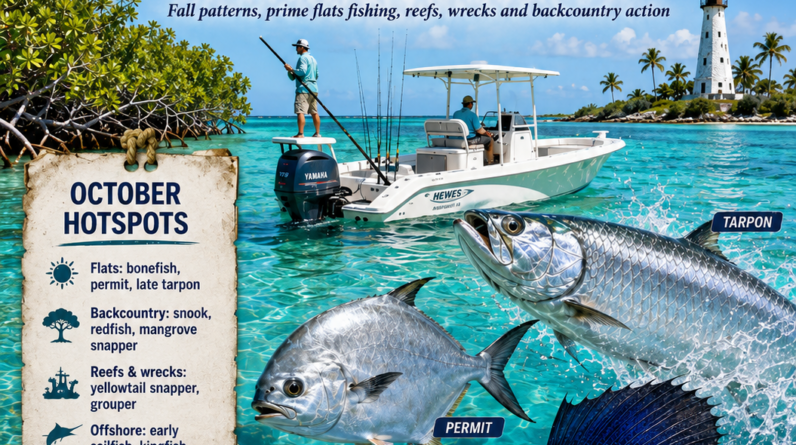
- Key West: Known for its vibrant nightlife and artistic spirit, Key West also boasts outstanding fly fishing opportunities. Look for tarpon, bonefish, and permit in the shallow flats.
- Islamorada: This location is famous for its deep-sea fishing, but don’t overlook its backcountry waters. The Everglades National Park nearby offers a fantastic setting for anglers looking for snook and redfish.
- Marathon: In the middle of the Keys, Marathon presents excellent spots along the flats and channels. Seek out barracuda and cobia, which are thrilling to catch on a fly rod.
- Big Pine Key: A quieter fishing destination, Big Pine boasts an array of nurseries and estuaries. Fish here for a chance to catch species like jack crevalle and bonefish.
- Lower Keys: The Lower Keys feature pristine waters and a variety of habitats. Whether you’re fishing the ocean side or the backcountry, expect to encounter tarpon, permit, and various snapper species.
Target Species
The variety of fish species in the Florida Keys makes fly fishing here an unforgettable experience. Below are some of the most sought-after species you can target:
- Tarpon: Known as the “silver king,” tarpon can weigh over 100 pounds. Fishing for them is a thrill, especially during their migration periods in late spring and early summer.
- Bonefish: These speedy fish are often considered the ultimate prize for fly anglers. They inhabit the shallow flats, making stealth and precision casting essential for success.
- Permit: Permit are known for their challenging catch and can be elusive. They are often found in the same areas as bonefish, but require different tactics and flies.
- Snook: Snook are a popular target throughout the year. Found in various waters, including mangroves and inlets, these fish provide an exciting fight.
- Redfish: With their vibrant coloration and strong battle, redfish are another favorite amongst anglers. They stalk the shallow waters, often in schools.
Best Times to Fish
The Florida Keys has a fishing season that can vary based on the species you’re after. However, some general time frames are popular among anglers:
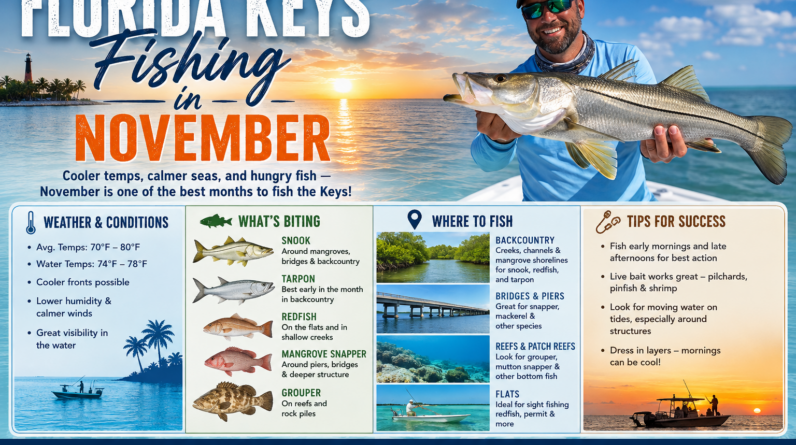
- Spring (March – June): This is the prime time for tarpon fishing, as they migrate through the Keys.
- Summer (July – September): Bonefish and permit are active, offering great opportunities for fly fishing during warm months.
- Fall (October – December): As the waters cool, snook and redfish fishing improves, especially in backcountry areas.
- winter (January – February): While tarpon are less active, experienced anglers can still find great success targeting other species.
Tips for a Successful Trip
For a great fly fishing experience in the Keys, keep the following tips in mind:
- Use light tackle for a better experience, especially with species like bonefish and permit.
- Make sure to research tide times, as fishing can greatly improve with the right tidal movement.
- Consider hiring a local guide who is familiar with the waters and can provide valuable insights.
- Practice casting techniques before your trip to enhance your skills on the water.
- Stay hydrated and protect yourself from the sun while fishing in the tropical heat.
Embarking on a fly fishing journey in the Florida Keys promises adventure and unforgettable moments. With the right locations, target species, and dedication, you can immerse yourself in the art of fly fishing in this breathtaking region. Get ready to cast your line and enjoy every moment in the sun-soaked beauty of the Keys.
Essential Gear for Successful Fly Fishing in the Keys
When you set your sights on fly fishing in the Keys, having the right gear can elevate your experience and maximize your chances of success. From the vibrant waters of the Atlantic Ocean to the shallow flats, essential fly fishing gear can make all the difference. Below, you’ll find a guide to help you prepare for an unforgettable day on the water.
Fly Rods
The backbone of any fly fishing setup is your fly rod. In the Keys, selecting a rod that can handle the unique conditions of saltwater fishing is key. Aim for a 9 to 10-foot rod with a medium to fast action to help cast in windy conditions. The length provides better control and the durability is essential for targeting larger species like tarpon and bonefish.
Fly Reels
When it comes to fly reels, you want one that has a strong drag system. Saltwater can be tough on equipment, so a sealed drag system can be particularly beneficial. Look for reels with a 6 to 10 weight rating, which are well-suited for the fish you’ll encounter in the Keys. Ensure that your reel is easy to operate and smooth to retrieve.
Fly Lines
Choosing the right fly line can significantly influence your effectiveness on the water. In the Keys, consider using floating lines for targeting the species that inhabit shallow waters. Intermediate sink tips can also be useful when fishing deeper areas. Ensure your line is rated for saltwater to withstand the harsh conditions.
Leader and Tippet Material
Leader and tippet materials are important for presentation and stealth. A fluorocarbon leader is often preferred in saltwater because it’s less visible underwater and more abrasion-resistant. A strength of 12 to 20-pound test is ideal, depending on your targeted species. Always carry a variety of tippet sizes to adjust based on conditions.
Flies
Flies play a crucial role when pursuing fish in the Keys. Here’s a list of must-have flies:
- Bonefish Bitters: Excellent for fishing for stealthy bonefish.
- Tarpon Fly: Large, flashy patterns work best to attract tarpon.
- Permit Fly: Use crab patterns or shrimp imitations; they are highly effective.
- Redfish Flies: A simple clouser can often yield good results.
Be sure to have a selection of both weighted and unweighted flies to match the water conditions.
Clothing and Accessories
When fly fishing in the Keys, protection from the elements is crucial. Lightweight, long-sleeve shirts made of breathable fabric will keep you comfortable and shield you from the sun. Quick-drying shorts or pants can also be beneficial. Don’t forget a wide-brimmed hat and polarized sunglasses; they help reduce glare on the water, making it easier to spot fish.
Sun Protection
Never underestimate the sun’s intensity in the Keys. Apply a high SPF sunscreen to all exposed skin, and reapply regularly. Consider using lip balm with SPF as well. Sunburn can quickly ruin a fishing trip, so gear up to protect your skin.
Fishing Accessories
- Net: A good landing net, preferably with a rubberized mesh, can protect the fish and make catch-and-release easier.
- Vise and Tools: A portable vise is particularly helpful if you plan to tie your own flies while on the water. Tools for trimming and knot tying are also essential.
Bringing a small backpack or fishing vest can keep your gear organized and easily accessible. Make sure to include a tackle box to store your flies and other small tools.
With the right gear, you’ll be well-prepared for an exciting day of fly fishing in the Keys. Whether you are a seasoned pro or just starting, having the essential equipment tailored to the environment is important. Fishing in this unique region can provide unforgettable experiences and memories, as long as you are equipped properly to handle the demanding conditions of salty waters.
Targeting Species: What to Expect While Fly Fishing in the Keys
Fly fishing in the Florida Keys offers an unforgettable experience marked by stunning scenery and abundant fish species. With its crystal-clear waters and rich marine ecosystems, this region is a paradise for anglers. Whether you’re a novice or an expert, understanding what to expect while targeting different species can enhance your fly fishing adventure.
The Keys are home to a diverse array of fish, each presenting unique challenges and rewards for the fly fishing enthusiast. Some of the most sought-after species in this region include:
- Bonefish: Often referred to as the “grey ghost” of the flats, bonefish are known for their quick speed and elusive nature. They typically inhabit shallow waters and feed on small crustaceans. Look for them in sandy areas where they often come to feed during the rising tide.
- Tarpon: Famous for their spectacular aerial displays, tarpon are a favorite among fly fishermen. These fish can reach sizes of up to 200 pounds and are usually found in deeper waters, estuaries, and coastal areas. They are most abundant from late spring through summer, making this the prime time to target them.
- Permit: Considered one of the ultimate challenges in fly fishing, permit are known for their wariness and intelligence. They often roam the shallow sandy flats and are easily spooked, making stealth an essential part of the approach. Catching a permit is a badge of honor for many anglers.
- Snook: These aggressive predators are typically found in mangroves, around docks, and along shorelines. Snook are known for their strength and can put up a strong fight. They prefer cloudy days and low light conditions, which can be ideal for fly fishing.
- Sharks: For those looking for a different thrill, the Keys offer various shark species, including blacktips and hammerheads. Targeting sharks requires a heavier fly rod and the right tackle, but they provide an exhilarating challenge when hooked.
As you prepare for your fly fishing expedition, consider the seasonal patterns and water conditions that can affect your success. The best time to fish in the Keys typically spans from late spring through early fall. During this period, the water temperatures rise, making it ideal for targeting the more active species. Early mornings and late afternoons are usually the best times to fish, as many species will venture closer to the surface to feed.
When fly fishing for each species, specific techniques can make your outing more fruitful. Here are some helpful tips:
- Bonefish: Use lightweight rods and delicate flies, like shrimp or crab patterns. Practice casting to a specific spot and allow your fly to drift naturally.
- Tarpon: Opt for heavier rods and larger flies that mimic baitfish. Focus on casting early in the morning or just before sunset when tarpon are more active.
- Permit: Be prepared with a variety of fly patterns that resemble crabs. A slow presentation with light tackle will give you the best chance at enticing a bite.
- Snook: Using streamers or surface poppers in shaded areas will attract snook. Make sure to vary your retrieve speed to mimic a wounded baitfish.
- Sharks: A strong leader and larger flies resembling smaller fish will help target sharks effectively. Be patient, as it may take time to hook one.
Don’t forget to consider the natural changes in tides and weather that influence fish behavior. Pay attention to local reports and consult with guides or fellow anglers to maximize your experience. The art of fly fishing in the Keys is as much about patience and knowledge as it is about skill. In this picturesque setting, each cast can lead to a thrilling moment that you’ll remember for years to come.
With the right approach, gear, and understanding of the species you’re targeting, your fly fishing adventure in the Florida Keys can be rewarding and enjoyable. Embrace the journey, and you may find yourself hooked on not just the fish, but the stunning landscapes and vibrant marine life that make this region so special.
Local Regulations and Conservation Efforts on Fly Fishing
When you embark on a fly fishing journey, understanding local regulations and conservation efforts is essential to ensure you not only enjoy your experience but also contribute positively to the environment. The practice of fly fishing, especially in regions like the Keys, thrives on a balance between recreation and ecological stewardship. This balance is maintained through regulations and efforts aimed at protecting fish populations and their habitats.
The Keys, with their stunning waters and rich biodiversity, have targeted regulations that every angler should be aware of. These regulations are designed to manage fish stocks and ensure sustainability. Here are some key aspects:
- Licensing: All anglers need a valid Florida fishing license to fish in the Keys. Obtaining a license not only complies with the law but also helps in funding conservation efforts.
- Size and Bag Limits: Different species have specific size and bag limits. For instance, if you are targeting snapper, you should be aware that there are both minimum size restrictions and maximum number limits per day.
- Protecting Spawning Seasons: Regulations may also impose seasonal closures or restrictions during spawning periods for certain species to ensure their populations thrive.
- Prohibited Methods: Certain fishing methods, such as the use of nets or traps in some areas, may be regulated or restricted. Fly fishing is generally permitted but always check local rules.
Engaging in responsible fishing practices not only helps you remain compliant but also fosters a healthy environment for fish populations. As you explore the Keys, it’s vital to practice catch and release whenever possible, especially with species that are sensitive or threatened. Utilize barbless hooks which can lessen injury to fish upon release, minimizing the mortality rates of released fish.
Conservation efforts also play a crucial role in fly fishing in the Keys. Local organizations are dedicated to the protection and restoration of marine habitats, which directly impacts fish populations. Here are some initiatives worth noting:
- Habitat Restoration: Many organizations focus on rebuilding coral reefs, seagrass beds, and mangroves, which are critical ecosystems for juvenile fish. Healthy habitats lead to productive fishing environments.
- Community Outreach and Education: Engaging the community is vital. Programs that educate locals and visitors about sustainable fishing practices help raise awareness about conservation.
- Monitoring Fish Populations: Ongoing research and monitoring help scientists understand fish populations’ health and trends. Participating in tagging programs can also aid in this important data collection.
- Clean-Up Drives: Many fly fishing associations organize regular clean-up events to combat pollution and debris that can harm aquatic wildlife. Joining these initiatives can also enhance your connection to the local fishing community.
To further engage in the conservation process while enjoying fly fishing, consider these personal practices:
- Use Environmentally Friendly Gear: Select products made from sustainable materials that are biodegradable or have a minimal environmental impact.
- Minimize Your Footprint: When walking along shorelines or through delicate environments, be mindful to avoid trampling vegetation and disturbing wildlife.
- Educate Yourself: Stay informed about local regulations and emission impacts on biodiversity. Knowledge is power, and understanding local ecology can influence your fishing practices.
Every responsible angler has a role in preserving the rich marine life of the Keys. By understanding local regulations and actively participating in conservation efforts, you help sustain the fly fishing experience for future generations. Remember, fishing is not just a pastime; it’s a commitment to the delicate balance between enjoyment and ecological responsibility. So, gear up, fish wisely, and contribute to preserving the beautiful waters of the Keys.
Tips for Beginners: Mastering the Art of Fly Fishing in the Keys
If you’re ready to dive into the beautiful waters of the Florida Keys and learn fly fishing, you’re in for an incredible experience. This region offers some of the best fly fishing opportunities in the world, thanks to its clear waters, diverse species, and stunning landscapes. Whether you’re a complete novice or looking to sharpen your skills, here are essential tips to help you master the art of fly fishing in the Keys.
Understanding the Basics
Before you step into the water, familiarize yourself with the essential gear. You’ll need:
- Fly Rod: A lightweight, flexible rod is ideal for catching smaller species found here.
- Fly Reel: Ensure your reel matches your rod weight and can hold enough backing line.
- Line and Leader: Use floating line for surface fishing and a tapered leader for better presentation.
- Flies: Choose a variety of patterns, including shrimp, crab, and baitfish imitations, suitable for the species you’re targeting.
Understanding these basics will make your fly fishing experience more enjoyable and productive.
Choosing the Right Location
The Keys boast numerous fly fishing hotspots. Some of the best spots include:
- Islamorada: Known as the “Fishing Capital of the World,” it offers access to both flats and deep waters.
- Key Largo: With its coral reefs, this area is great for reef species like snapper and grouper.
- Big Pine Key: This is a prime location for shallow flat fishing, perfect for targeting bonefish.
- Marathon: Explore the waters around the Seven Mile Bridge for tarpon and permit.
Each of these locations provides unique opportunities, so consider your preferences when choosing where to fish.
Targeting Popular Species
The Florida Keys are teeming with exciting fish species that are perfect for fly fishing. Here are the top species you should aim for:
- Bonefish: Known for their speed and agility, bonefish are often found in the shallow waters of the flats.
- Tarpon: A thrill to catch, tarpon are available mainly during their migration season, particularly in spring and summer.
- Permit: This is perhaps the most challenging species to catch and requires patience and skill.
- Snook: These fish can be found near mangroves and are active during dawn and dusk.
Understanding their habitats and behaviors will improve your chances of landing a catch.
Mastering Casting Techniques
Learn to perfect your casting technique as it is vital in fly fishing. Here are some tips to keep in mind:
- Practice Double Hauling: This technique increases line speed and distance, essential for reaching distant fish.
- Focus on Your Timing: Timing during your cast can make a big difference. Practice to find the sweet spot.
- Know Your Distance: Each species will respond to different distances, so adjust accordingly.
Practice casting in open areas to gain confidence and improve accuracy.
Be Respectful of the Environment
When fly fishing in the Keys, it’s important to respect the environment. Follow these guidelines:
- Leave No Trace: Carry out everything you bring, including trash and leftover bait.
- Protect Fragile Habitats: Avoid wading on seagrass beds and coral reefs.
- Follow Local Regulations: Make sure you are aware of and adhere to any fishing regulations in the area.
Being a responsible angler ensures the beauty of the Keys remains intact for generations.
Fly fishing in the Florida Keys is not just about the catch. It’s an opportunity to connect with nature, enjoy beautiful scenery, and challenge yourself. By following these tips, you’ll be on your way to mastering the art of fly fishing in this stunning destination. Embrace the adventure, and you may find that the thrill of the chase is just as rewarding as the catch itself!
Conclusion
Mastering the art of fly fishing in the Florida Keys is an adventure that combines the thrill of the catch with the tranquility of nature. With its stunning landscapes and vibrant marine life, the Keys offer some of the best fishing spots to explore. You have the opportunity to cast your line in crystal-clear waters while targeting diverse species, from the majestic tarpon to the fast-swimming bonefish.
To ensure a successful outing, it’s essential to have the right gear in your arsenal. Choosing the correct rod, reel, and flies can significantly enhance your fishing experience. Knowing what to expect with local species helps you prepare and increases your chances of reeling in a worthy catch.
Additionally, being aware of local regulations and conservation efforts is crucial. The Florida Keys boast strict policies to maintain the health of its ecosystems, ensuring that future generations can enjoy this unique fishing paradise. Embracing these practices not only supports conservation but also enhances your overall experience as an ethical angler.
For those just starting their fly fishing journey, remember that patience and practice are your best allies. Each cast offers a chance to learn and improve, making the process rewarding. Embrace the learning curve, soak in the picturesque surroundings, and don’t hesitate to reach out to local guides who can offer valuable insights.
Fly fishing in the Florida Keys is more than just a pastime; it’s an immersive experience that invites you to connect with nature and develop a deeper appreciation for the beauty of this incredible region. So grab your gear, and ready your spirit for an unforgettable adventure!