

Are you an avid angler looking to capture the thrill and beauty of fishing in stunning photographs? Look no further! In this article, we will provide you with expert tips and tricks on how to master the art of fishing photography. Whether you want to capture the perfect shot of your prized catch, the breathtaking scenic beauty surrounding you, or the action-packed moments on the boat, we have got you covered. Get ready to take your fishing photography to the next level and create memories that will last a lifetime.
Table of Contents
Choosing the Right Equipment
When it comes to fishing photography, choosing the right equipment is crucial in capturing the perfect shot. Let’s start with selecting a camera. While professional DSLR cameras provide superior image quality and manual control, they can be heavy and cumbersome to carry around. For beginners or those looking for a more portable option, mirrorless cameras offer excellent image quality with the added benefit of being lightweight.
Once you’ve decided on a camera, it’s time to choose the right lens. A versatile lens option for fishing photography is a wide-angle lens. It allows you to capture expansive landscapes, beautiful sunsets, and even close-up shots of your catch. Additionally, investing in a lens with image stabilization can help reduce camera shake when shooting on a moving boat or in challenging lighting conditions.
Another important consideration is tripods and supports. These can be handy tools for achieving stability and eliminating camera shake. Look for lightweight and portable options that are easy to set up and adjust. Tripods with flexible legs or a built-in level can be especially useful when shooting on uneven terrain.
Understanding Lighting in Fishing Photography
Lighting plays a significant role in fishing photography and can make or break your shots. One way to utilize lighting is by taking advantage of natural light. The soft, warm light during early morning or late afternoon is often the most flattering for outdoor photography. It enhances the colors, adds depth, and creates a beautiful atmosphere. Be sure to position yourself in such a way that the light is not directly behind or in front of your subject to avoid harsh shadows or overexposure.
Sometimes, natural light may not be sufficient or may not be available during certain times of the day. In such cases, using artificial light sources can help illuminate your subject. Portable LED lights or flash units can provide additional light and fill in shadows when needed. Experiment with different angles and intensities of artificial light to achieve the desired effect.
One essential concept to understand is the “Golden Hour.” This refers to the period shortly after sunrise or before sunset when the light is soft, warm, and diffused. The golden tones can add a magical touch to your fishing photography. Try to plan your shoots around this time of day for the best lighting conditions.

Composition Techniques to Enhance Your Photos
Composition is a vital aspect of fishing photography that can greatly enhance the visual impact of your images. One popular composition technique is the “Rule of Thirds.” Imagine dividing your image into a 3×3 grid and placing your subject or points of interest along the intersecting lines or at the intersection points. This creates a visually pleasing balance and guides the viewer’s eyes through the image.
Incorporating foreground and background elements can add depth and context to your photos. Including elements such as rocks, fishing gear, or even fellow anglers in the foreground can provide a sense of scale and interest. Meanwhile, capturing the beautiful landscape or the action on the boat in the background can create a well-rounded composition.
Leading lines are another effective composition technique. Look for natural lines, such as riverbanks, jetties, or fishing lines, that can guide the viewer’s gaze into the main focal point of the image. These lines can add visual interest and create a sense of movement and flow.
Capturing the Action
Fishing is an action-packed sport, and capturing the motion and excitement in your photos can make them truly stand out. One technique for freezing the motion is to use a fast shutter speed. This allows you to capture the precise moment of a jump, a cast, or a splash. Set your camera to “Shutter Priority” mode or manually control the shutter speed to achieve crisp, sharp images.
Panning is another technique commonly used in action photography. By following the movement of your subject while keeping the camera steady, you can create a sense of speed and blur the background, making your subject stand out. Experiment with different panning speeds and subjects to find the right balance and create dynamic shots.
Don’t forget to include people in your action shots. Whether it’s your fishing buddies, fellow anglers, or yourself, having a human element in the frame can add a personal touch and convey the excitement and camaraderie of the sport. Capture the expressions, gestures, and interactions that make the fishing experience unique.

Tips for Photographing Fish
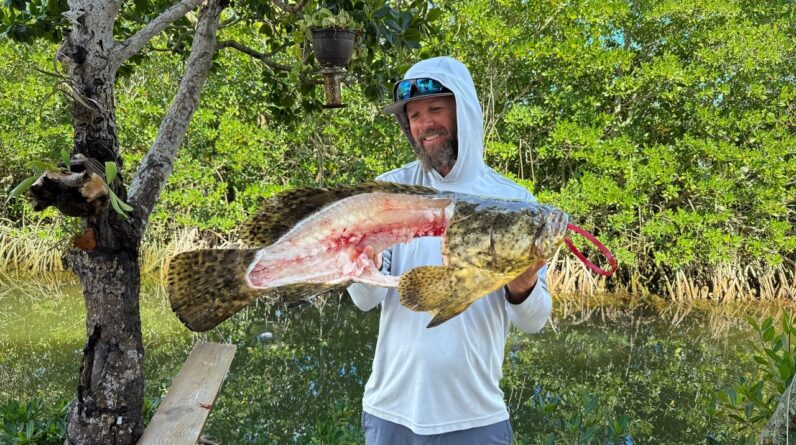
Photographing fish requires a delicate touch to ensure the safety and well-being of the fish. Handle the fish with care by wetting your hands before touching them to avoid removing their protective slime coating. This helps prevent damage to their scales and skin. Support the fish properly, especially larger ones, by firmly gripping the tail and supporting the underside. This minimizes stress on the fish and allows you to capture detailed and up-close shots.
Macro photography can be a fantastic technique for capturing the intricate details of fish. Use a dedicated macro lens or a close-up filter to get close and reveal the textures, patterns, and colors that often go unnoticed. This technique is particularly effective when photographing fish scales, eyes, or even small aquatic creatures that may be present.
Water reflections can add a unique and artistic element to your fish photography. Take advantage of calm waters or create ripples by throwing bait or gently splashing water. Position yourself to capture the reflection of the fish and surrounding elements, creating a visually captivating image.
Showcasing the Scenic Beauty
Besides capturing the action and the fish, fishing photography is also an opportunity to showcase the scenic beauty of your fishing locations. Apply landscape photography techniques to capture the grandeur and tranquility of the environment. Look for unique perspectives, such as low angles or elevated viewpoints, to showcase the vastness of the landscape and highlight its distinctive features.
Including elements of nature in your compositions can add context and enhance the overall visual appeal. Incorporate elements such as trees, mountains, or unique rock formations to give your images a sense of place and create a compelling narrative. Consider the rule of thirds and leading lines to guide the viewer’s gaze through the frame and create a harmonious composition.
Filters and polarizers are valuable tools for landscape photography. A polarizing filter can help reduce glare and enhance colors, particularly when shooting near bodies of water. Neutral density filters can also be useful in controlling the amount of light entering the camera, allowing for longer exposures and creating dramatic effects, such as silky smooth water or streaks of clouds.

Editing and Post-Processing
Editing and post-processing are essential steps in bringing out the full potential of your fishing photos. Choose the right software for your editing needs, whether it’s a professional program like Adobe Lightroom or a more user-friendly option like Snapseed or VSCO. Familiarize yourself with the basic editing techniques, such as adjusting exposure, contrast, and white balance, to make your images pop.
Enhancing colors and contrast can significantly improve the visual impact of your fishing photos. Experiment with saturation and vibrance adjustments to make the colors more vibrant without becoming artificial. Increase the contrast to add depth and make your subjects stand out. Be mindful not to overdo it, as subtlety often yields more pleasing results.
Take advantage of the various editing tools available to remove distractions, straighten horizons, or crop the image for better composition. But remember to maintain the integrity of the original image and only enhance what is necessary.
Tips for Better Fishing Photography
To improve your fishing photography, it’s essential to be patient and observant. Take the time to study the surroundings, understand the behavior of the fish, and anticipate the best moments to capture. Patience will allow you to create images that encapsulate the essence of the sport.
Don’t be afraid to experiment with different angles and perspectives. Get low to capture the fish-eye view or shoot from a higher vantage point to showcase the entire scene. Changing angles can give your photos a fresh and exciting look and provide a unique perspective that stands out.
Candid shots can often capture the raw emotions and genuine moments during a fishing trip. Instead of only focusing on posed shots, keep your camera ready to capture spontaneous interactions, laughter, or intense concentration. These candid shots can tell a more authentic and engaging story.

Posing and Styling for Fishing Photos
When it comes to posing and styling for fishing photos, it’s all about showcasing the catch and capturing the essence of the sport. Find flattering angles and poses that highlight the size and beauty of the fish. Hold the fish towards the camera, angling it slightly to show off its colors and shape. Experiment with different poses and perspectives, such as holding the fish against a stunning background or having it splash water towards the camera.
Incorporating props and accessories can add interest and personality to your fishing photos. Consider using fishing gear, hats, sunglasses, or even a rustic boat as props. These elements can help tell a story and create a visually engaging image. Be creative and have fun with the props, but remember not to overshadow the main focus – the catch.
Safety and Ethics in Fishing Photography
While fishing photography is an exciting and visually appealing pursuit, it’s crucial to prioritize safety and ethics. Respecting the environment is of utmost importance. Avoid littering, follow local regulations, and leave no trace when capturing your fishing adventures. Be mindful of delicate ecosystems and fragile habitats, ensuring your presence does not cause harm.
Handling fish properly is not only essential for their well-being, but it also helps maintain the quality of your photos. Avoid placing undue stress on the fish by minimizing the time they are out of the water. If you need to set up a shot, make sure to have everything prepared beforehand to limit their time out of the water.
Lastly, avoid stressing the fish during the photography process. Be mindful of their behavior, signs of distress, and limit the number of photos taken. Remember, the well-being of the fish should always come first, and capturing a great photo should never outweigh their safety.
In conclusion, fishing photography offers a unique opportunity to capture the excitement, beauty, and camaraderie of the sport. By selecting the right equipment, understanding lighting techniques, and employing various composition techniques, you can elevate your fishing photos to new heights. Remember to prioritize the safety and well-being of the fish, respect the environment, and have fun while capturing those memorable moments. Happy fishing and happy photographing!