

If you’re a fan of the sea and all its wonders, then you’re in for a treat. Allow yourself to be immersed in the vibrant world of The Fishing Capital of the Keys. Nestled amidst the beautiful Florida Keys, this hidden gem offers a paradise for fishing enthusiasts and nature lovers alike. With its crystal-clear waters and abundant marine life, you’ll be captivated by the endless possibilities that await you. So grab your gear, take a deep breath of that salty ocean air, and embark on a journey to discover the untamed beauty that lies beneath the waves.
Table of Contents
What is the fishing capital of the Keys?
If you’re a fishing enthusiast, the Florida Keys is a paradise you can’t afford to miss. With its crystal-clear waters, diverse marine life, and year-round fishing opportunities, this tropical archipelago offers some of the best angling experiences in the world. However, amongst the various fishing destinations in the Keys, there is always a debate on which place holds the title of the fishing capital. In this article, we will delve into the history, contenders, assessment criteria, and other aspects to uncover the fishing capital of the Keys.
1. Overview of the Florida Keys
1.1 Introduction to the Florida Keys
Stretching over 120 miles from the southern tip of Florida, the Florida Keys is a chain of islands known for their breathtaking beaches, vibrant coral reefs, and abundant marine life. This tropical paradise is made up of various islands, each offering a unique fishing experience and an ideal getaway for both seasoned anglers and beginners alike.
1.2 Geography of the Florida Keys
The Florida Keys consists of five main regions: Key West, Key Largo, Islamorada, Marathon, and Big Pine Key. Each of these regions has distinctive characteristics that contribute to their popularity among anglers, such as proximity to the Gulf Stream, access to backcountry areas, and the presence of numerous fishing hotspots.
1.3 Importance of Fishing in the Florida Keys
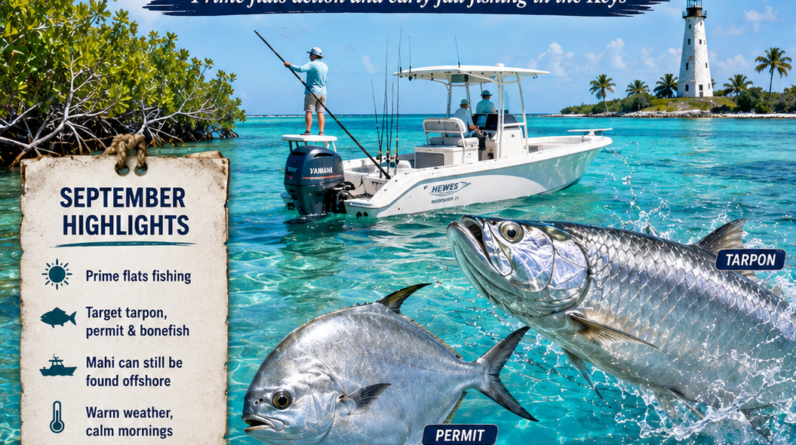
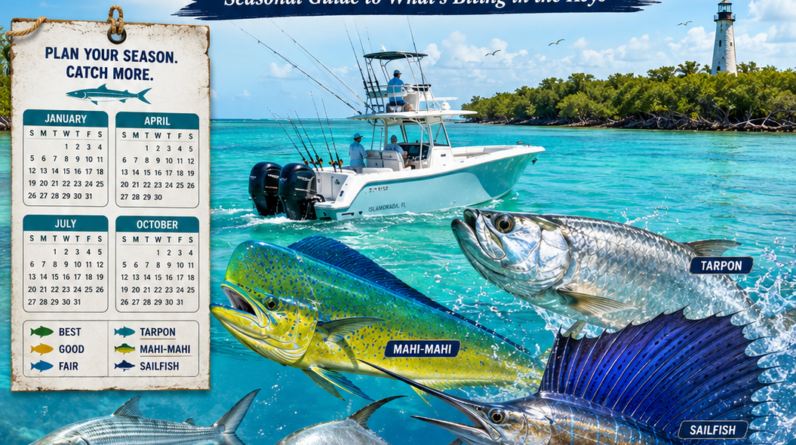
Fishing is more than just a recreational activity in the Florida Keys; it is deeply interwoven into the culture and history of the region. The local economy heavily relies on the fishing industry, with commercial and recreational fishing both playing significant roles. The Keys are home to various fish species, including tarpon, bonefish, permit, snook, sailfish, marlin, and many others, making it an angler’s dream destination.
2. Understanding the Fishing Capital
2.1 Definition of the Fishing Capital
The fishing capital, in the context of the Florida Keys, refers to the place that holds the distinction of being the premier destination for fishing enthusiasts. This title is bestowed upon a location that excels in multiple aspects, including the variety and abundance of fish species, accessibility to fishing locations, availability of fishing infrastructure and services, and the vibrancy of the fishing culture and community.
2.2 Factors Determining the Fishing Capital
Determining the fishing capital is a complex task that involves evaluating several key factors. The variety and abundance of fish species is one crucial factor, as a diverse range of fish ensures that anglers can target different species throughout the year. The accessibility of fishing locations, including the proximity of offshore, backcountry, and flats areas, is another factor that makes a location suitable for anglers. The presence of well-maintained fishing infrastructure and services, such as marinas, bait and tackle shops, and fishing charters, is also important for a thriving fishing capital. Lastly, the fishing culture and community play a significant role in creating an inviting atmosphere for anglers, with local events, traditions, and a sense of camaraderie among fishermen.
3. History of Fishing in the Florida Keys
3.1 Early Fishing Practices
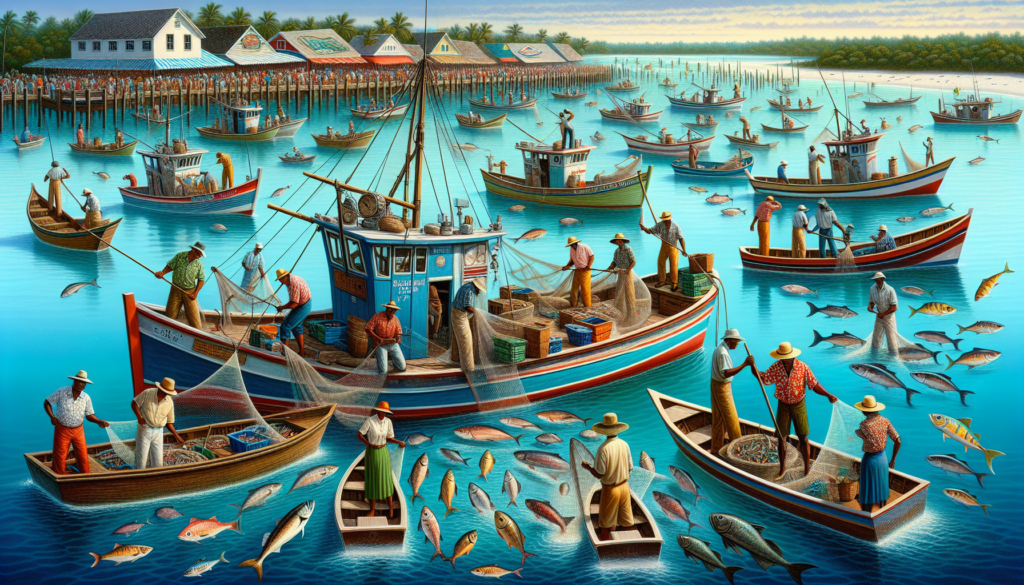
Fishing has been a way of life in the Florida Keys for centuries, with early inhabitants relying on the abundant marine resources for sustenance. Native tribes, such as the Calusa and Tequesta, practiced various fishing techniques, including netting, spearing, and using bone hooks. Later, Spanish settlers introduced new fishing methods and technologies, such as handlines and cast nets, further shaping the fishing practices in the region.
3.2 Development of Commercial Fishing
During the early 19th century, commercial fishing gained momentum in the Florida Keys. The establishment of fishing industries, such as salt fish factories and sponge harvesting, transformed the local economy. Key West emerged as an important hub for commercial fishing, particularly for industries like turtle hunting and the thriving trade of salted fish.
3.3 Rise of Recreational Fishing
As transportation and tourism in the Florida Keys improved in the early 20th century, recreational fishing gained popularity among visitors. The abundance of game fish, such as tarpon and bonefish, attracted anglers from around the world. Resorts and fishing camps were established, catering to avid sport fishermen seeking thrilling experiences in these pristine waters.
4. The Contenders for the Title
The Florida Keys boasts several regions that could potentially claim the title of the fishing capital. Let’s explore the top contenders and what makes them stand out.
4.1 Islamorada
Known as the “Sportfishing Capital of the World,” Islamorada is synonymous with fishing excellence. It offers a wide variety of fishing opportunities, including offshore, backcountry, and flats fishing. The famous Islamorada Humps attract anglers seeking big game fish, while the nearby Everglades National Park provides unparalleled Backcountry fishing adventures.
4.2 Marathon
Marathon is an angler’s paradise with its abundant fishing options. It has a reputation for its reef and wreck fishing, home to numerous species like grouper, snapper, and permit. The Seven Mile Bridge in Marathon is iconic for Bridge fishing, where anglers can try their luck for tarpon, snapper, and barracuda.
4.3 Key West
Key West is renowned for its lively fishing scene and vibrant fishing culture. The deep-sea fishing opportunities are unparalleled, with anglers targeting trophy fish like sailfish, marlin, and mahi-mahi. Additionally, Key West offers both offshore and backcountry fishing, along with access to the productive Gulf Stream.
4.4 Key Largo
Key Largo is a popular fishing destination, especially for those looking to explore the diverse ecosystem of the Florida Bay and the Everglades. The backcountry flats are teeming with bonefish, permit, and redfish, while the nearby reefs provide ample opportunities for reef fishing.
4.5 Other Potential Fishing Capitals
While the aforementioned regions are often considered frontrunners, it is important to note that other areas in the Florida Keys also offer exceptional fishing experiences. Regions like Big Pine Key, Islamorada Key, and Sugarloaf Key are worth mentioning, as they offer their unique charm and bountiful fishing opportunities.
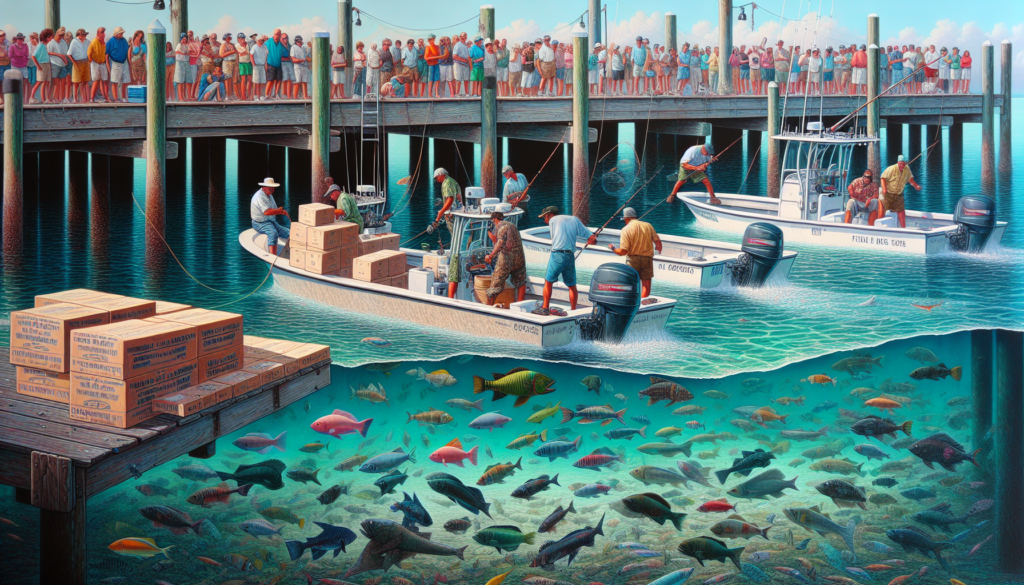
5. Assessment Criteria for the Fishing Capital
To determine the fishing capital of the Keys, multiple assessment criteria need to be considered. These criteria ensure a comprehensive evaluation that takes into account various aspects important to anglers.
5.1 Variety of Fish Species
A diverse range of fish species is crucial for a fishing capital. Areas that offer a mix of game fish, reef fish, and inshore species provide anglers with a well-rounded fishing experience.
5.2 Abundance and Size of Fish
The population and size of fish play a pivotal role in evaluating the fishing capital. Areas that consistently produce large numbers of fish, including trophy-sized catches, are highly esteemed among anglers.
5.3 Access to Fishing Locations
The accessibility of fishing locations is an important factor for anglers. A fishing capital should have easy access to diverse fishing grounds, allowing fishermen to explore different environments and target various fish species.
5.4 Fishing Infrastructure and Services
The presence of well-maintained fishing infrastructure, such as marinas, boat ramps, and tackle shops, is crucial for the convenience and comfort of anglers. Additionally, the availability of fishing charters and knowledgeable guides enhances the overall fishing experience.
5.5 Fishing Culture and Community
A thriving fishing culture and community contribute to the allure of a fishing capital. Areas that host fishing events, tournaments, and festivals, as well as foster a sense of camaraderie among anglers, create a vibrant and welcoming atmosphere for fishermen.
6. Popular Fishing Techniques in the Florida Keys
The Florida Keys offers various fishing techniques that cater to different preferences and skill levels. Here are some of the popular fishing techniques you can enjoy in these waters:
6.1 Offshore Fishing
Offshore fishing in the Florida Keys is synonymous with targeting large game fish. Anglers venture into the deep waters of the Gulf Stream in search of trophy fish such as sailfish, marlin, tuna, and mahi-mahi. This adrenaline-pumping technique requires specialized boats and tackle to handle the challenges posed by open waters.
6.2 Backcountry Fishing
Backcountry fishing, also known as flats fishing, takes place in the shallow, protected waters of the Florida Bay and the Everglades. Anglers wade or use skiffs to navigate the flats, targeting species like bonefish, permit, and tarpon. This technique requires stealth, patience, and accurate casting skills.
6.3 Flats Fishing
Similar to backcountry fishing, flats fishing involves stalking fish in shallow waters. The pristine flats surrounding the Keys are home to numerous game fish, making it an ideal technique for those seeking thrilling battles with powerful species like bonefish, permit, and redfish.
6.4 Bridge and Pier Fishing
Bridge and pier fishing is a popular technique that offers convenience and accessibility. Anglers can try their luck from various bridges and piers throughout the Keys, targeting species like tarpon, snapper, grouper, and barracuda. This technique is suitable for both beginners and experienced anglers, providing an opportunity to enjoy fishing without the need for a boat.
7. Notable Fishing Events and Competitions
The Florida Keys hosts numerous fishing events and competitions throughout the year, further establishing its reputation as a fishing paradise. These events bring together anglers from near and far, showcasing their skills and passion for the sport. Some of the notable fishing events include:
7.1 Annual Florida Keys Fishing Tournaments
The Florida Keys are known for their annual fishing tournaments, attracting anglers of all skill levels. Events like the Islamorada Sailfish Tournament, Key Largo Sailfish Challenge, and the Cuda Bowl showcase the best of sportfishing in the Keys. These competitions not only provide an opportunity for participants to test their skills but also contribute to conservation efforts and support local charities.
7.2 Other Fishing Events and Festivals
Apart from competitive tournaments, the Florida Keys celebrate fishing through various events and festivals. The Original Marathon Seafood Festival, Lobster Mini Season, and the Key West Fishing Tournament are just a few examples of the vibrant fishing culture that permeates the Keys. These events bring together locals and visitors alike, creating an atmosphere of joy, camaraderie, and appreciation for the region’s rich fishing heritage.
8. Conservation Efforts and Sustainable Practices
Preserving the marine ecosystem and ensuring sustainable fishing practices are crucial to maintaining the fishing paradise of the Florida Keys. The region places strong emphasis on conservation efforts, as it recognizes the significance of protecting its natural resources for future generations.
8.1 Importance of Conservation in the Florida Keys
The Florida Keys are home to delicate ecosystems, including coral reefs, seagrass beds, and mangrove forests. These habitats provide essential breeding and feeding grounds for a vast array of marine life. Conservation efforts are necessary to ensure the preservation of these ecosystems and maintain the ecological balance.
8.2 Fisheries Management and Regulations
To promote sustainability and protect fish populations, the Florida Fish and Wildlife Conservation Commission (FWC) enforces various fishing regulations and limits. These regulations include size limits, bag limits, closed seasons, and gear restrictions, ensuring responsible fishing practices and the long-term viability of fish stocks.
8.3 Protecting Key Ecosystems and Habitats
Multiple initiatives in the Florida Keys focus on protecting and restoring key ecosystems and habitats. Efforts like coral reef restoration, seagrass conservation, and mangrove protection help safeguard the natural environment that sustains the diverse marine life in the Keys.
9. Choosing the Fishing Capital of the Keys
Determining the fishing capital of the Keys requires a comprehensive evaluation process that takes into account expert opinions, surveys, and public feedback. While the assessment criteria laid out in Section 5 provide a framework, the final decision should be based on a holistic understanding of each region’s offerings.
9.1 Evaluation Process
To evaluate the fishing capital, experts and authorities in the field of sportfishing can contribute their insights and knowledge. Their evaluations may consider factors such as the presence of diverse fish species, the size and abundance of fish, the accessibility to fishing locations, the availability of fishing infrastructure, and the vibrancy of the fishing culture and community.
9.2 Expert Opinions and Surveys
Conducting surveys among anglers and consulting with fishing experts can provide valuable input in determining the fishing capital of the Keys. Experts can assess each contender based on the assessment criteria, while surveys and polls can gauge the experiences and preferences of anglers who have visited different regions.
9.3 Public Opinion and Visitor Feedback
Accounts and testimonials from visitors and locals can also help gauge the fishing capital of the Keys. Social media platforms, online reviews, and community forums provide a platform for anglers to share their experiences and opinions, providing valuable insight into the quality of fishing in different regions.
In conclusion, the Florida Keys offers an abundance of fishing opportunities, each region with its unique charm and fishing experiences. While the fishing capital of the Keys may be subject to debate, the assessment criteria, expert evaluations, and public feedback can provide a framework for determining the deserving contender. Whether you choose Islamorada, Marathon, Key West, Key Largo, or any other region in the Keys, one thing is for certain – you’ll be in angling paradise, surrounded by the natural beauty and excitement of one of the world’s premier fishing destinations. Happy fishing!