

Table of Contents
Exploring Family-Friendly Fishing Destinations That Cater to Kids
When it comes to family fun, fishing provides an excellent opportunity for bonding, learning, and creating lasting memories. Many fishing spots across the country offer amenities that cater specifically to families, including kid-friendly activities and educational experiences. If you’re looking to merge outdoor adventure with family time, consider these great fishing destinations that will keep everyone entertained.
1. Lake Tahoe, California/Nevada
Lake Tahoe is well-known for its stunning scenery and ample fishing opportunities. Families can enjoy a variety of kid-friendly activities, such as:
- Guided Fishing Tours: Hire a local guide who can teach your kids the basics of fishing while ensuring a fun day on the water.
- Swimming and Beach Time: After a day of fishing, relax on one of the many family-friendly beaches.
- Nature Trails: Explore the surrounding trails where kids can learn about local wildlife and ecosystems.
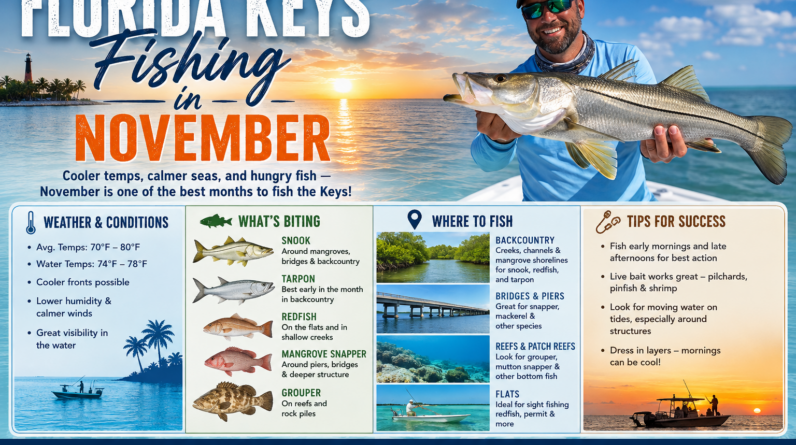
2. Florida Keys, Florida
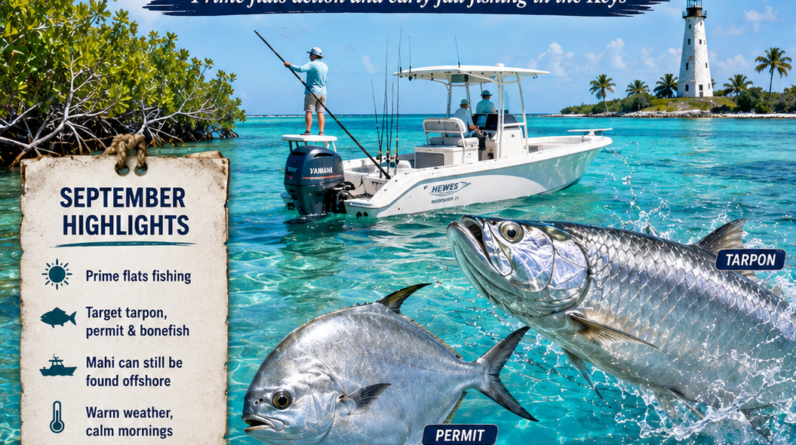
The Florida Keys provides a tropical fishing experience that is perfect for families. Kids can engage in various activities, including:
- Snorkeling: An exciting way for kids to explore marine life up close after fishing.
- Fishing Clinics: Many local businesses offer clinics aimed at teaching children the fundamentals of fishing.
- Wildlife Tours: Take a tour to see dolphins, manatees, or sea turtles, providing a rich educational experience.
3. Pigeon Forge, Tennessee
Pigeon Forge isn’t just for amusement parks; it’s also home to some splendid fishing options. Your family can enjoy:
- Stocked Ponds: Find many kid-friendly ponds where children can easily catch fish, perfect for beginners.
- Interactive Nature Programs: Participate in programs through the local parks that teach about fish species and their habitats.
- Arts and Crafts: Enjoy local shops that offer fishing-related crafts for kids, connecting creativity and fishing.
4. Cape Cod, Massachusetts
Known for its picturesque landscapes, Cape Cod offers more than just beautiful beaches. Families can partake in:
- Charter Boats: Rent a charter to target family-friendly species like striped bass and bluefish.
- Educational Fishing Camps: Sign your kids up for fishing camps where they will learn not just how to fish but also the importance of conservation.
- Shell Collecting: After fishing, stroll along the beaches to find unique shells and marine treasures.
5. Galveston, Texas
Galveston is an exciting family-friendly fishing destination along the Gulf Coast. Kids can explore:
- Surf Fishing: Grab your gear and head to the beach for some easy surf fishing, a great intro for younger fishers.
- Visit the Aquarium: A trip to the local aquarium reinforces learning about marine life and the importance of preserving our oceans.
- Pier Fishing: Enjoy fishing off the local piers where kids can often catch smaller fish, making it enjoyable for first-timers.
6. Nisqually Wildlife Refuge, Washington
This location is perfect for families who love both fishing and nature. Here, visitors can find:
- Catch-and-Release Fishing: Safe fishing experiences help teach kids about sustainability.
- Bird Watching: Encourage your kids to spot various bird species while waiting for the ‘big catch.’
- Environmental Education: Join ranger-led programs that include educational games about wildlife and habitats.
Family-friendly fishing spots provide the ideal mix of leisure, fun, and education, making them perfect for a day out with the kids. Whether you’re in the mountains, near a coastline, or in a local park, these destinations offer diverse activities to engage young minds and create cherished memories. Plan your trip today and discover the joys of fishing as a family!
Engaging Children Through Hands-On Fishing Workshops
Fishing is more than just a pastime; it’s an adventure that can create lasting memories for families, especially when children are involved. One of the best ways to engage children is through hands-on fishing workshops. These workshops not only teach fishing techniques but also foster a love for nature and encourage teamwork. Engaging children in such activities enriches their learning experience in a fun and interactive environment.
Engaging Activities That Teach
Hands-on fishing workshops often include various activities that keep kids excited while also educating them about the sport of fishing and the ecosystem. Here are some activities you can expect:
- Fishing Basics: Children learn how to set up fishing rods, tie knots, and understand different types of bait. Teachers guide them step-by-step, allowing kids to feel confident as they make their first cast.
- Species Identification: Many workshops include a fun part about learning about various fish species, their habitats, and the importance of conservation. This helps children appreciate wildlife.
- Catch and Release: Teaching kids the proper way to catch and release fish is crucial. Workshops often emphasize this practice, allowing children to enjoy fishing while helping to maintain fish populations.
Safety First
Safety is paramount in any fishing workshop. Instructors ensure that all children wear life jackets when necessary and understand the rules of fishing. Here are some key safety tips:
- Always provide adult supervision while children fish, ensuring they are safe near the water.
- Teach children about the importance of sun protection. Wearing hats, sunglasses, and sunscreen can keep them safe from harsh UV rays.
- Ensure that kids are aware of the proper handling of fishing equipment to prevent accidents.
Interactive Learning Experiences
In addition to fishing techniques, many workshops incorporate educational experiences related to the environment. These experiences offer kids a deeper understanding of the natural world. Here are some ideas:
- Water Quality Testing: Kids can learn about the health of the water by participating in simple tests. Understanding what makes water healthy for fish and other wildlife helps to instill a sense of responsibility.
- Nature Walks: Workshops might include walks around the fishing area to explore different plants and animals. This broadens kids’ knowledge about local ecosystems.
- Crafting Time: Creating fishing lures or painting rocks for the environment can be a fun break from fishing. These crafts encourage creativity while remaining relevant to the fishing theme.
Building Social Skills
Participating in hands-on fishing workshops allows children to interact with peers, helping them build important social skills. Kids learn to:
- Work as a team to reel in fish or tackle challenges presented by the instructors.
- Share their experiences and knowledge with each other, reinforcing what they learn.
- Develop patience and resilience, valuable traits in both fishing and life.
Choosing the Right Workshop
When looking for a fishing workshop, consider the following tips:
- Check for certifications or affiliations with trusted local or national fishing organizations, ensuring quality instruction.
- Look for workshops that cater to families, as they often provide a more supportive and fun environment.
- Read reviews or testimonials to gauge the experience of other families. This will help you find a workshop that fits your needs.
Hands-on fishing workshops offer a unique blend of learning, safety, and enjoyment. Engaging children through these activities not only teaches them how to fish but also instills a lifelong appreciation for nature. By choosing the right workshop and participating actively, families can enjoy a day on the water filled with laughter, learning, and memorable moments. So grab your gear, gather the family, and dive into a world of fishing adventure together!
The Importance of Teaching Sustainability in Fishing Activities
In today’s world, understanding the balance of our ecosystems is crucial, and teaching sustainability in fishing activities is an essential part of this education. Sustainable fishing practices not only protect aquatic life but also ensure that future generations can enjoy the bounty of our waters. sustainability into fishing programs can lead to an enriched family experience, allowing children to connect with nature while learning the importance of conservation.
Why Teach Sustainability in Fishing?
Many families consider fishing a fun way to spend time together, but it’s important to nurture an understanding of why maintaining our fish populations is vital. Here are a few key reasons why teaching sustainability matters:
- Preservation of Fish Populations: Overfishing has led to dwindling stocks of many fish species. Teaching children to practice catch-and-release or to limit their catch helps protect these precious resources.
- Protection of Ecosystems: Healthy aquatic environments depend on a balanced ecosystem. Teaching families about the roles different species play can instill respect for these habitats.
- Future Opportunities: By understanding sustainable practices, children can help ensure that fishing remains a viable and enjoyable activity for generations to come.
- Personal Responsibility: Engaging children in sustainability teaches them about their individual impact on the environment and encourages them to make choices that benefit the planet.
Kid-Friendly Activities that Support Sustainability
To truly engage children in the significance of sustainability, families can incorporate fun activities that connect them to nature and foster their love for fishing.
- Organize Clean-Up Days: Before heading out to fish, families can spend the morning cleaning up local waterways. This not only helps the environment but also teaches kids about pollution and its effects.
- Visit Aquariums or Nature Centers: Many aquariums have programs aimed at educating young visitors about marine ecosystems and endangered species. Participating in these activities can enhance understanding and spark curiosity.
- Create a Fishing Journal: Encourage children to keep records of their fishing experiences. They can note what they caught, where, and any wildlife they observed. This can promote reflection on the health of the ecosystems they visit.
- Host Family Fishing Days with a Twist: Instead of traditional fishing, families can participate in activities like pond netting, where they explore what critters live in the water without harming any fish.
Educational Experiences to Pursue
Educational experiences can elevate a family’s fishing outings from simple fun to enriched learning. Consider the following ideas to incorporate educational components into fishing trips:
- Attend Workshops: Look for local workshops that focus on sustainable fishing practices. These workshops often combine hands-on learning with expert guidance, giving children valuable insights.
- Use Educational Resources: Bring along books or educational apps focusing on local fish species and their habitats. Explaining each species’ role in the ecosystem can deepen appreciation.
- Involve Local Conservation Organizations: Partnering with local environmental groups offers a chance to join volunteer projects or guided fishing experiences that emphasize eco-friendly techniques.
Making Sustainability Fun
When families learn about sustainability while enjoying fishing, it creates lasting memories and instills values in children. Here are a few tips to make the learning process engaging:
- Turn Lessons into Games: Use quizzes and games centered around fish facts and environmental stewardship during downtime on fishing trips.
- Encourage Creativity: Let kids express their thoughts on sustainability through art, like drawing their favorite fish or crafting posters about clean waterways.
- Share Stories: Families can share stories about overfished species or successful conservation efforts to foster empathy and understanding.
Ultimately, teaching sustainability in fishing activities allows families to connect while becoming stewards of the environment. By integrating educational opportunities and enjoyable experiences into fishing outings, you can ensure your family not only has fun but also plays a critical role in protecting our precious aquatic resources for the future. Remember, every small effort toward sustainability can lead to significant changes in how we interact with our ecosystems.
Creative Ways to Make Fishing Exciting for Young Anglers
Fishing can be a thrilling adventure, especially for young anglers. You can transform a simple fishing trip into an engaging experience filled with fun and learning. Here are some creative ways to make fishing exciting for kids, helping them enjoy the outdoors while learning valuable skills.
Incorporate Games and Challenges
Kids love games and challenges! Turn your fishing trip into an exciting competition. Here are some ideas:
- Catch and Release Challenge: See who can catch the most fish within a certain timeframe. Encourage them to release what they catch, teaching them about conservation.
- Species Scavenger Hunt: Create a list of different fish species or insects found in the fishing area. Kids can mark off items as they find them.
- Biggest Fish Contest: Measure the fish caught by each angler. The one who catches the biggest fish wins a small prize!
Artistic Fishing
Engage your young anglers’ creative sides by incorporating art into your fishing experience. Here are some fun activities:
- Fishing Journal: Encourage kids to maintain a fishing journal. They can write about their fishing adventures, draw pictures of their catches, or even note the weather conditions.
- DIY Lures: Help kids create their fishing lures using colorful materials. Crafting lures is a fun way to combine art and fishing while teaching them about bait selection.
Educational Experiences
Fishing is not just about casting a line; it can also be a fantastic educational opportunity. Here’s how to make it informative:
- Learn about Ecosystems: Discuss the aquatic ecosystem and how different species interact. Teach your kids about the importance of clean waters and the environment.
- Identify Local Fish Species: Bring a fish identification guide and have fun recognizing different fish. Kids will appreciate knowing what types of fish they might catch.
- Understanding Weather Patterns: Explain how weather affects fishing. Discuss tuning into local weather forecasts before heading out.
Interactive Demonstrations
Hands-on demonstrations will captivate young anglers and enhance their fishing skills:
- Knot Tying: Teach the essential fishing knots, like the improved clinch knot. Making it a friendly competition to see who can tie it the fastest adds excitement!
- Casting Techniques: Show casting techniques first on land to practice before hitting the water. The more they practice, the more confident they will feel.
Adventure and Exploration
Make your fishing trips an adventure! Here’s how to keep the excitement level high:
- Explore New Locations: Visit different fishing spots. Whether it’s a lake, river, or ocean shore, new environments keep the fishing experience fresh.
- Nature Walks: Enjoy a nature walk before or after fishing. Look for wildlife and teach kids to appreciate the environment, enhancing their connection to nature.
- Picnic by the Water: Pack snacks and enjoy a family picnic by the water. Eating outdoors after fishing can make the day unforgettable.
Create Memories Through Photography
Documenting your fishing adventures can be a fun activity. Bring along a camera or smartphone and encourage kids to take pictures:
- Candid Shots: Capture the moments of joy when kids catch their first fish. The smiles and laughter become cherished memories.
- Nature Photography: Encourage them to snap pictures of the beautiful scenery, wildlife, and anything interesting they see during the trip.
By making fishing exciting and immersive for young anglers, you not only foster a love for the outdoors but also create lasting memories. These experiences enrich their understanding of nature and instill important life skills. So gear up, grab those rods, and prepare for an unforgettable fishing adventure that your kids will treasure for years to come!
Combining Fishing Trips with Educational Nature Experiences
Fishing is more than just a way to catch dinner; it’s an adventure that families can share while learning about nature. Combining fishing trips with educational nature experiences creates lasting memories and teaches kids valuable skills. Here are some top ways to enhance your family fishing outings while also providing educational opportunities.
Explore Local Ecosystems
Before casting a line, take time to explore the local ecosystem where you plan to fish. This could involve a nature walk along the shore to observe the plants and animals in their natural habitat. Encourage your children to ask questions and identify different species, creating a fun scavenger hunt for:
- Birds such as herons and ospreys
- Fish swimming in the water
- Insects buzzing around
- Various plants lining the banks
For instance, the Great Lakes are home to an incredible variety of fish and wildlife. Recognizing bluegills and sunfish can become a game that excites the kids before the real fishing even begins.
Learn about Sustainable Fishing
Use your fishing trip to teach kids about the importance of sustainability. Discuss why it’s crucial to practice catch and release, and explain local fishing regulations. You could create a fun quiz about the rules in place to protect aquatic life. This helps children understand the right way to fish and respect nature.
Engage them by showing how to properly handle fish and why it’s essential to minimize harm to the environment. Bring along illustrated guides to fish species, and see if they can identify their catches. This enriches the fishing experience while fostering a sense of responsibility.
Incorporate Nature-Based Crafts
Fishing trips can also include nature-based crafts that can entertain and educate your kids. Prepare materials for making fish-themed crafts during downtime while waiting for bites. Here are a few ideas:
- Fishing Line Bracelets: Use colored beads to represent different kinds of fish and make friendship bracelets.
- Nature Journals: Create a journal for kids to draw the plants and animals they spot.
- Watercolor Fish Art: Use watercolor paints to create artistic impressions of the catch.
This allows children to express their creativity while enjoying the beauty of nature.
Identify Weather Patterns
While fishing, it’s an excellent opportunity to teach kids about weather patterns and how they impact fishing. Talk about why fish may bite more on sunny days versus cloudy ones, or why certain times of day can be better for fishing. Use simple terms to explain concepts like:
- Thermal stratification in lakes
- The water cycle
- Wind patterns and their effects on fish behavior
Understanding these factors can empower kids with knowledge they can use in future fishing trips and enhance their overall experience.
Visit Nearby Nature Centers
Many fishing locations are close to nature centers that provide educational programs for families. Plan your trip around a visit to a local nature center where children can engage in interactive exhibits about aquatic ecosystems, wildlife, and conservation. Many centers offer:
- Guided nature walks
- Hands-on demonstrations
- Workshops on fishing techniques and safety
By combining fishing with a visit to a nature center, your family gets both hands-on fishing experience and valuable knowledge about the environment.
Engage in Safety and First Aid Training
Your family fishing trip is a perfect chance to teach kids about safety in and around water. Discuss necessary safety gear like life jackets and provide a mini-first aid lesson. Discuss common hazards, such as sunburn, dehydration, and insect bites, and appropriate measures to avoid them. This not only keeps children safe but also teaches them how to care for others in adventurous settings.
Fishing creates incredible bonding moments for families. By incorporating educational experiences into your fishing trips, you not only deepen your connection with nature but also foster your children’s curiosity and respect for the environment. Get ready for both a memorable and educational experience that your family will cherish for years to come!
Conclusion
Family fishing trips can become unforgettable adventures that foster both joy and learning. Visiting family-friendly fishing destinations that cater to kids ensures everyone has fun while developing a love for the outdoors. Engaging children through hands-on fishing workshops not only teaches essential skills but also builds confidence as they learn to cast their lines and keep their catches.
Moreover, it’s crucial to introduce sustainability in fishing activities. Teaching kids about respecting aquatic ecosystems instills values of conservation and responsibility, ensuring future generations can enjoy these resources. By incorporating creative ways to make fishing exciting for young anglers—like storytelling, fun fishing challenges, or interactive games—parents can keep the spark alive and transform a simple outing into a memorable event.
Combining fishing trips with educational nature experiences further enhances this journey. Nature hikes, wildlife observation, and learning about aquatic plants and animals provide valuable insights that deepen children’s appreciation for the environment. When families take the time to adventure together, they create lasting memories, strengthen bonds, and nurture a sense of curiosity about nature.
By seeking out opportunities that blend fishing, fun, and education, families can cultivate a meaningful experience that champions outdoor exploration and lifelong learning. Each fishing trip can become a stepping stone toward a deeper connection with nature, charitable practices, and a shared passion for angling—laying the groundwork for future adventures together. Investing in these experiences today ensures happier, more informed young anglers tomorrow.