

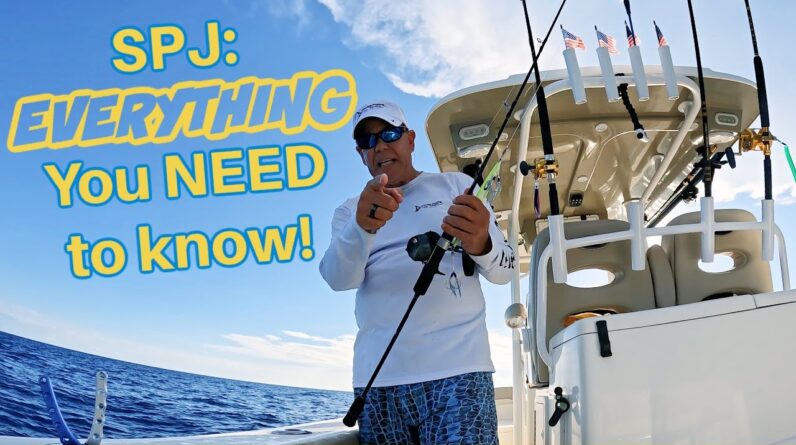
Welcome to our blog post on how to master slow pitch jigging! If you’re looking to up your game in this exciting fishing technique, you’ve come to the right place. In this article, we will guide you through the essentials of slow pitch jigging, including the necessary tackle, effective techniques, and the importance of reading the fish finder. Our aim is to equip you with the knowledge and skills to become a proficient slow pitch jigging angler. So, let’s dive in and explore the world of slow pitch jigging together!
Table of Contents
Introduction
Welcome to our guide on mastering Slow Pitch Jigging! In this article, we will unlock the secrets of Slow Pitch Jigging with Capt. Dan. Whether you’re a seasoned angler or just starting out, this technique can greatly enhance your fishing proficiency. We will delve into all aspects of Slow Pitch Jigging, including the equipment needed, the techniques involved, and step-by-step know-how to improve your skills. So, let’s dive in and get started!
Equipment for Slow Pitch Jigging
To begin your Slow Pitch Jigging journey, you’ll need the right equipment. Here are the essentials:
Slow Pitch Jigging Rod: Invest in a quality slow pitch jigging rod. Look for a rod that has a soft and parabolic action, which allows the jig to work effectively.
Slow Pitch Jigging Reel: Choose a reel with a high gear ratio and excellent drag system. This will ensure smooth operation and give you the power needed to handle large fish.
Slow Pitch Jigs: There are various slow pitch jigs available in the market. Experiment with different shapes, sizes, and colors to see what works best for your fishing environment. Remember to carry a range of jigs to adapt to changing conditions.
Leader Material: Use fluorocarbon or high-quality monofilament leader material for better invisibility and increased strength. Choose the leader length based on the target species and water conditions.
Techniques for Slow Pitch Jigging
Slow Pitch Jigging is more than just dropping a jig into the water and hoping for a bite. It requires a specific technique to entice fish effectively. Here are some important techniques to master:
Flutter and Fall: The key to Slow Pitch Jigging is the slow and rhythmic motion of the jig. Drop the jig to the desired depth and then start reeling up with a slow, rhythmic motion. Allow the jig to flutter on the fall and pause intermittently to entice strikes.
Rod Work: One of the critical aspects of Slow Pitch Jigging is using your rod to animate the jig. Work the rod with small, gentle movements to create a realistic swimming action. Avoid excessive jerking or erratic motions, as this can scare away the fish.
Reading the Fish Finder: A fish finder is an invaluable tool when it comes to Slow Pitch Jigging. It helps you locate the depth at which the fish are holding, enabling you to target them accurately. Keep an eye on the fish finder display and adjust your jigging depth accordingly.
Step-by-Step Know-How for Slow Pitch Jigging
Now that you have an understanding of the equipment and techniques involved, let’s walk through the step-by-step process of Slow Pitch Jigging:
Choose the Right Spot: Find a location with promising fishing conditions. Look for structure, such as reefs, wrecks, or drop-offs, where fish are likely to congregate.
Set the Depth: Determine the depth at which the fish are holding using your fish finder. Adjust your jigging depth accordingly to ensure your lure is in the strike zone.
Drop and Flutter: Drop your jig to the desired depth and allow it to flutter on the fall. Maintain a controlled and slow descent to entice strikes from curious fish.
Work the Rod: Once your jig reaches the desired depth, start working the rod with gentle, rhythmic motions. Create a natural swimming action that mimics the movements of live prey.
Vary Your Technique: Experiment with different jigging techniques, such as vertical, diagonal, or horizontal movements. The fish may have different preferences on any given day, so be adaptable.
Pay Attention to Strikes: Stay alert for any subtle strikes or changes in tension on the line. It’s crucial to stay connected with your jig at all times to detect even the slightest nibble.
Conclusion
Congratulations! You’ve now gained valuable insights into mastering Slow Pitch Jigging. By understanding the equipment, techniques, and step-by-step know-how, you can enhance your fishing proficiency and increase your chances of success. Remember to practice patience and adapt your technique to the fishing conditions. So, grab your gear, head out onto the water, and experience the thrill of Slow Pitch Jigging firsthand!
FAQs After The Conclusion
What are some common types of slow pitch jigs?
- Common types of slow pitch jigs include knife jigs, butterfly jigs, and octopus jigs. Each type has its own unique design and action.
Can Slow Pitch Jigging be done from the shore?
- Slow Pitch Jigging is typically done from a boat due to the depth requirements. However, it is possible to adapt the technique for shore fishing in certain situations.
What species of fish can be caught using Slow Pitch Jigging?
- Slow Pitch Jigging can be effective for a range of species, including snapper, grouper, amberjack, tuna, and many others.
Is Slow Pitch Jigging suitable for beginners?
- While Slow Pitch Jigging requires some skill and practice, beginners can certainly give it a try. Start with lighter jigs and focus on mastering the technique gradually.
Are there any specific fishing regulations for Slow Pitch Jigging?
- Fishing regulations may vary depending on your location and the species you are targeting. It’s important to familiarize yourself with local regulations and bag limits before heading out.